

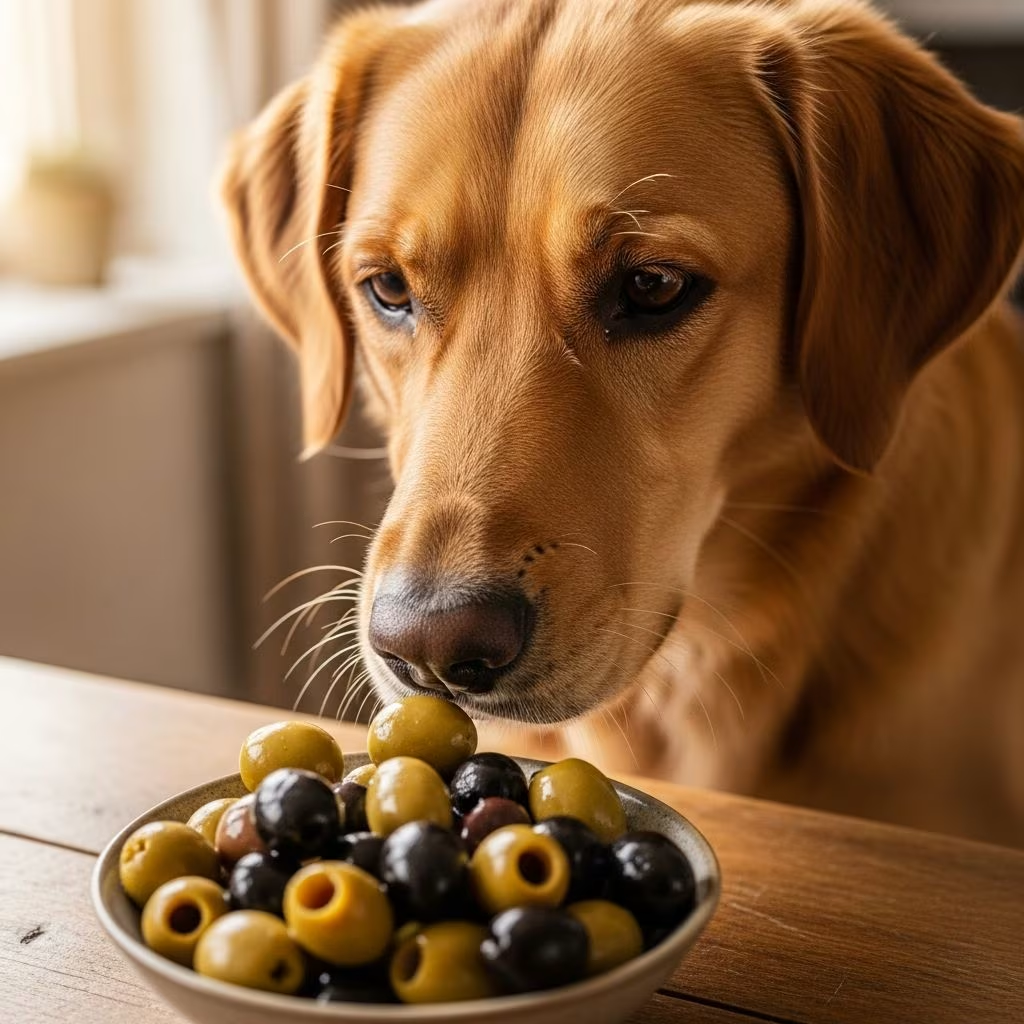
Many pet owners wonder whether they can share common human foods with their canine companions. Olives, a popular Mediterranean staple, frequently appear on this list of questionable foods. The good news for dog lovers is that olives are not toxic to dogs and can be offered as an occasional treat when prepared properly. However, certain precautions and considerations must be taken to ensure your furry friend remains healthy and safe.
Understanding Olive Safety for Dogs
The fundamental question of whether dogs can consume olives has a straightforward answer: yes, but with important qualifications. Plain, unsalted, and pitted olives are generally safe for dogs in moderation. Unlike some foods that pose genuine toxicity risks, olives themselves contain no inherently harmful compounds that would damage a dog’s system.
Many commercial dog food manufacturers actually include olives as an ingredient in their formulations, which demonstrates industry recognition of their safety profile. This incorporation into manufactured pet foods underscores that olives can be part of a dog’s dietary landscape when appropriately managed.
The Critical Sodium Concern
While olives are not toxic, their preparation method introduces a significant health consideration. Most olives available in grocery stores undergo a curing process that involves substantial salt content. This high sodium concentration represents the primary health risk for dogs consuming olives.
Excessive sodium intake can lead to several health complications in dogs, including:
- Dehydration and increased thirst
- Elevated blood pressure
- Salt toxicosis in severe cases
- Gastrointestinal upset
- Kidney stress
Dogs require significantly less sodium than humans, and their dietary needs are already met through complete and balanced commercial dog foods. Additional sodium from treats like olives can quickly exceed recommended daily limits, particularly for smaller breeds or dogs with existing health conditions.
Preparation Methods and Types of Olives
Not all olives present the same level of safety to canine companions. Understanding the differences between preparation methods and olive varieties helps pet owners make informed decisions.
Brined and Canned Olives
The olives found in most household pantries—whether black or green—are preserved in brine solutions containing high concentrations of sodium and sometimes additional additives. These commercially processed olives pose the greatest sodium risk and should be avoided or given only as rare exceptions. If you do offer tinned olives to your dog, thoroughly rinse them under fresh water to reduce sodium content, and select varieties canned in water without added salt.
Fresh Tree Olives
Fresh olives harvested directly from trees represent a safer option regarding sodium content. These unbrined olives avoid the curing process entirely and lack the excessive salt associated with commercial products. However, fresh olives straight from the tree carry their own challenge: they are intensely bitter and may trigger digestive upset in sensitive dogs.
Black Versus Green Olives
From a nutritional and safety perspective, black and green olives present no significant differences for canine consumption. Both varieties are equally safe when plain and pitted, and both carry equivalent sodium concerns when commercially prepared. Color reflects the maturity stage of the fruit at harvest rather than any meaningful nutritional distinction affecting dogs.
The Pit Problem
One often-overlooked hazard of olive consumption involves the pit. Olive pits can present choking hazards and lead to serious digestive obstructions. While not toxic, a swallowed pit can cause blockages requiring emergency veterinary intervention.
Dogs who chew on olive pits face additional risks, including potential dental fractures or tooth cracks. Always remove pits before offering any olive to your dog, and never encourage your pet to consume olives directly from the tree, where pit removal becomes challenging.
Portion Control and Frequency Guidelines
Even when offering plain, unsalted, pitted olives, moderation remains essential. Dogs should consume no more than one or two olives at a time, and not on a daily basis. This limited frequency prevents cumulative sodium intake from becoming problematic.
For smaller dog breeds, even one olive might represent an excessive portion. Consider your dog’s body weight when determining appropriate serving sizes, and consult your veterinarian if you have concerns about your specific pet’s dietary needs.
Nutritional Value Considerations
Olives do contain compounds with potential health benefits for dogs, including antioxidants, monounsaturated fats, and various vitamins. These substances can theoretically support heart health, reduce inflammation, and promote skin and coat condition.
However, dogs receiving complete and balanced commercial diets already obtain all necessary nutrients from their regular food. The minimal quantities of olives appropriate for dogs—one or two pieces occasionally—provide negligible nutritional contribution compared to a dog’s primary diet. While not harmful, olives should not be viewed as nutritional supplements or health-boosting treats.
Unsafe Olive Preparations
Certain olive preparations present genuine dangers to canine health and should be strictly avoided:
| Olive Preparation | Risk Factor | Recommendation |
|---|---|---|
| Garlic-stuffed olives | Garlic is toxic to dogs | Never offer |
| Blue cheese-stuffed olives | Fungus can cause gastrointestinal distress | Never offer |
| Olives in alcohol | Alcohol is toxic to dogs | Never offer |
| Olives with excessive seasonings | Unknown ingredients and additives | Avoid |
| Pimiento-stuffed olives | High sodium content | Avoid |
What Happens If Your Dog Eats Olives Accidentally
If your dog accidentally consumes one or two commercial olives, panic is unnecessary. The small amount of sodium in a single olive or two typically causes no significant health problems. Monitor your dog for signs of gastrointestinal upset, excessive thirst, or behavioral changes, and contact your veterinarian if concerning symptoms develop.
The situation becomes more serious if your dog consumes an entire jar or large quantity of olives. In this case, contact an emergency veterinary clinic, as the excessive sodium intake could trigger salt toxicosis, which manifests as vomiting, diarrhea, tremors, seizures, or coma.
Olive Oil for Dogs
Distinct from whole olives, olive oil represents a different consideration entirely. Pure olive oil is safe and potentially beneficial for dogs when used sparingly in small quantities. A small amount of quality olive oil can support coat health and provide healthy fats.
However, similar to whole olives, your dog’s balanced diet should already provide adequate fat and nutritional support. Excessive olive oil can lead to unwanted calorie intake and digestive upset. If you choose to offer olive oil, use it as an occasional drizzle on food rather than a standalone treat, and keep portions minimal.
Frequently Asked Questions About Dogs and Olives
Can puppies eat olives?
Puppies can technically consume plain, unsalted, pitted olives, but their developing digestive systems make them more sensitive to dietary changes. Puppies should not be given olives as treats, and their complete nutrition should come from age-appropriate puppy food formulations.
Are there better olive alternatives for dogs?
If you want to offer your dog a special treat, numerous options provide greater nutritional value and lower sodium content. Consider offering small pieces of dog-safe fruits like apples, berries, or watermelon, or dog-safe vegetables like carrots, green beans, or sweet potato. These alternatives offer genuine nutritional benefits without excessive sodium concerns.
How do I know if my dog has salt toxicity?
Signs of salt toxicity in dogs include excessive thirst, vomiting, diarrhea, lethargy, tremors, seizures, and in severe cases, coma. If you suspect your dog has consumed dangerous quantities of salty foods and exhibits these symptoms, seek emergency veterinary care immediately.
Can dogs with specific health conditions eat olives?
Dogs with heart disease, kidney disease, high blood pressure, or other conditions requiring sodium restriction should absolutely avoid olives. Always discuss treats with your veterinarian if your dog has underlying health conditions.
What should I do if my dog swallows an olive pit?
Monitor your dog closely for signs of choking, difficulty eating, vomiting, or constipation. If you observe any of these symptoms, contact your veterinarian immediately, as the pit may require surgical removal.
Making the Right Choice for Your Dog
While olives are technically safe for dogs, they represent a treat that offers minimal benefit and carries unnecessary risks. The combination of high sodium content, potential choking hazards from pits, and negligible nutritional contribution makes olives an inferior choice compared to other treat options.
Pet owners should prioritize treats that provide genuine nutritional value, pose minimal health risks, and support their dog’s overall wellness. If you choose to offer olives, ensure they are plain, unsalted, thoroughly pitted, and provided only in the smallest quantities as rare exceptions rather than regular treats.
Always consult your veterinarian before introducing new foods, especially if your dog has any health conditions or dietary sensitivities. Your vet can provide personalized recommendations based on your specific dog’s age, size, health status, and nutritional needs.
References
- Can Dogs Eat Olives? The Health Benefits & Risks Explained — Texas Hill Country Olive Co. https://texashillcountryoliveco.com/blogs/news/can-dogs-eat-olives-the-health-benefits-risks-explained
- Can dogs eat olives? — Nature’s Menu. https://www.naturesmenu.co.uk/blog-can-dogs-eat-olives.html
- Can Dogs Eat Olives? Benefits & Risks — Rover.com. https://www.rover.com/blog/can-my-dog-eat-olives/
- Have You Ever Wondered If Dogs Can Eat Olives? — The Dog Bakery. https://www.thedogbakery.com/blogs/news/have-you-ever-wondered-if-dogs-can-eat-olives
- Can Dogs Eat Olives? — PetMD. https://www.petmd.com/dog/nutrition/can-dogs-eat-olives
- Can Dogs Eat Olives? — American Kennel Club. https://www.akc.org/expert-advice/nutrition/can-dogs-eat-olives/



