
Dogs and Cat Poop: Causes and Solutions
Uncover why dogs raid the litter box and discover effective strategies to curb this common yet gross habit in multi-pet homes.
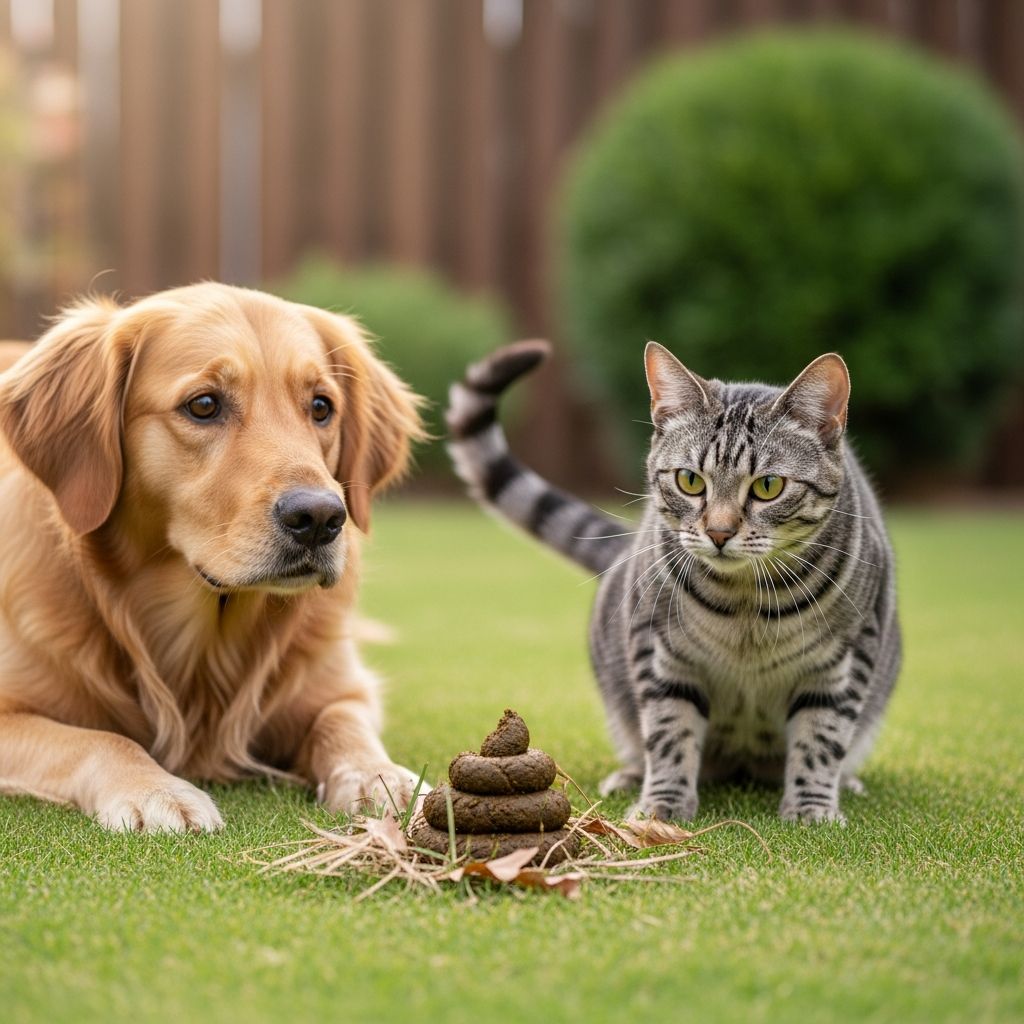
In households with both dogs and cats, a perplexing sight often unfolds: the dog making a beeline for the litter box. This behavior, known as coprophagia when it involves feces, puzzles many pet owners. While it may seem repulsive to humans, it stems from deep-rooted canine instincts and practical factors. Understanding the motivations helps in addressing it effectively without undue worry.
The Instinctive Appeal of Cat Feces to Dogs
Dogs descend from wolves, opportunistic scavengers that consumed nearly anything available for survival. This heritage persists in domestic dogs, leading them to investigate and ingest items like cat waste. Cat feces carry a potent aroma due to the high-protein, high-fat diet cats require, which differs from typical dog nutrition. The undigested proteins and fats make it particularly enticing, almost like a gourmet treat to a dog’s sensitive nose.
Unlike dogs, cats are obligate carnivores, meaning their meals emphasize meat, resulting in nutrient-rich droppings. Veterinary experts note that this composition mimics the smell of cat food itself, which many dogs adore and would snatch given the chance. In multi-pet environments, the litter box becomes an accessible snack bar, reinforcing the habit after the first rewarding encounter.
Nutritional Factors Driving the Behavior
Although less common in dogs fed balanced commercial diets, nutritional shortfalls can prompt coprophagia. Diets lacking essential vitamins, minerals, or enzymes—often seen in homemade meals or those not certified by the Association of American Feed Control Officials (AAFCO)—may drive dogs to seek supplements from feces. Cat poop, packed with residual nutrients, serves as an unintended source.
- Protein and Fat Content: Cat food exceeds dog food in these macronutrients, leaving feces with appealing leftovers.
- Enzyme Deficiency: Dogs with poor digestion might consume waste to acquire helpful bacteria or enzymes.
- Homemade Diet Risks: Without professional formulation, these can lead to imbalances causing pica-like behaviors.
Experts emphasize that most U.S. dogs on standard kibble or wet food meet needs adequately, so nutrition rarely explains chronic cases. Still, switching to AAFCO-approved products or consulting a vet nutritionist rules this out.
Behavioral Triggers in Everyday Life
Behavior often trumps health concerns. Boredom tops the list, especially for understimulated dogs. Those with limited exercise, play, or mental challenges explore destructively, with the litter box offering novelty and reward. Stress from changes like new pets, moves, or isolation can also manifest as this fixation.
Puppies frequently experiment orally, learning boundaries through trial. Maternal dogs clean pups by ingesting waste, a natural act passed to young ones. In adult dogs, discovery of the litter box during puppyhood often cements lifelong interest. Curiosity drives initial tries, but palatability ensures repetition.
| Cause Type | Examples | Prevalence |
|---|---|---|
| Behavioral | Boredom, habit, scavenging instinct | Most common |
| Medical | Nutrient gaps, parasites, endocrine issues | Less frequent |
Health Risks Associated with Litter Box Raids
While usually harmless, risks exist. Cat feces may harbor parasites like roundworms or giardia, transmissible to dogs and humans. Bacteria such as salmonella pose infection threats, potentially causing vomiting or diarrhea. Ingesting clumping litter adds obstruction dangers, though rare.
Symptoms warranting vet attention include:
- Persistent diarrhea or vomiting
- Lethargy or appetite loss
- Abdominal pain or bloating
- Unexplained weight changes
Senior dogs showing sudden onset might signal cognitive dysfunction, akin to dementia, altering inhibitions. Routine deworming and litter hygiene mitigate most threats.
Effective Prevention Strategies for Pet Owners
Stopping this requires management and training. Start with litter box access denial:
- Elevate the Box: Place on high shelves or in cat-only rooms with baby gates.
- Frequent Scooping: Remove waste multiple times daily to eliminate temptation.
- Litter Additives: Products making feces unpalatable, like enzyme sprays, deter without harm.
Training reinforces boundaries. Use positive methods: reward ignoring the box, teach “leave it” with treats. Enrichment combats boredom—puzzle toys, scent games, daily walks enrich lives.
Diet tweaks help: high-quality food with probiotics supports gut health, potentially reducing urges. For stubborn cases, vet-prescribed supplements like pineapple or meat tenderizers alter poop taste, though evidence varies.
When to Consult a Veterinarian
Not all coprophagia needs intervention, but escalation does. If prevention fails, behavior intensifies, or health signs appear, seek professional input. Vets rule out parasites via fecal tests, check bloodwork for deficiencies or hormones, and assess cognition in elders.
Underlying issues like diabetes, exocrine pancreatic insufficiency, or hyperthyroidism amplify hunger, indirectly fueling the habit. Treatment targets roots—medication, diet changes—often resolving it.
Understanding Coprophagia Across Life Stages
Puppies outgrow exploratory phases with guidance. Adults maintain scavenging drives, needing outlets. Seniors face decline-related changes. Tailoring approaches by age maximizes success.
In feral packs, poop eating cleans dens and recycles nutrients, explaining persistence. Domestic parallels highlight instinct over pathology.
FAQs: Dog Coprophagia and Cat Litter Boxes
Is cat poop toxic to dogs?
Not toxic, but carries parasite and bacteria risks. Most tolerate small amounts fine.
Can training completely stop it?
Not always—instinctual roots make full elimination challenging, but management reduces frequency.
Does my dog’s food cause this?
Rarely if AAFCO-approved; test for issues if persistent.
What if my dog eats litter too?
Monitor for blockages; switch non-clumping types if needed.
How often should I clean the litter box?
Scoop 1-2 times daily, full change weekly for best deterrence.
Long-Term Management in Multi-Pet Homes
Sustaining harmony demands consistency. Combine barriers, routines, and engagement. Track progress: fewer incidents signal success. Patience pays—many dogs lessen interest naturally with maturity or intervention.
Pet parents benefit from holistic views: behavior reflects environment. Enriched, healthy dogs raid less, fostering peaceful coexistence.
References
- Why Do Dogs Eat Cat Poop? — Care.com. 2023. https://www.care.com/c/why-do-dogs-eat-cat-poop/
- Why Your Dog Eats Cat Poop Out of the Litterbox — VHA Vets. 2024. https://vhavets.com/blog/dog-eats-cat-poop-out-of-the-litterbox/
- Why Do Dogs Eat Cat Poop? — Rocklin Ranch Veterinary Hospital. 2023. https://www.rocklinranchvet.com/blog/dogs-eat-cat-poop/
- Why Do Dogs Eat Cat Poop? — PetMD (Sandra C. Mitchell, DVM). 2024. https://www.petmd.com/dog/nutrition/why-do-dogs-eat-cat-poop
- Why Does My Dog Eat Cat Poop? — American Kennel Club. 2023. https://www.akc.org/expert-advice/training/why-does-my-dog-eat-cat-poop/
- Why Do Dogs Eat Cat Poop? 10 Ways to Help Them Stop — PetSafe. 2024. https://www.petsafe.com/blog/stop-your-dogs-snacking-from-the-litter-box/
Similar Articles








Read full bio of medha deb


