
Dogs and Cat Poop: Causes and Solutions
Discover why dogs raid the litter box and get practical tips to stop this gross habit for good.
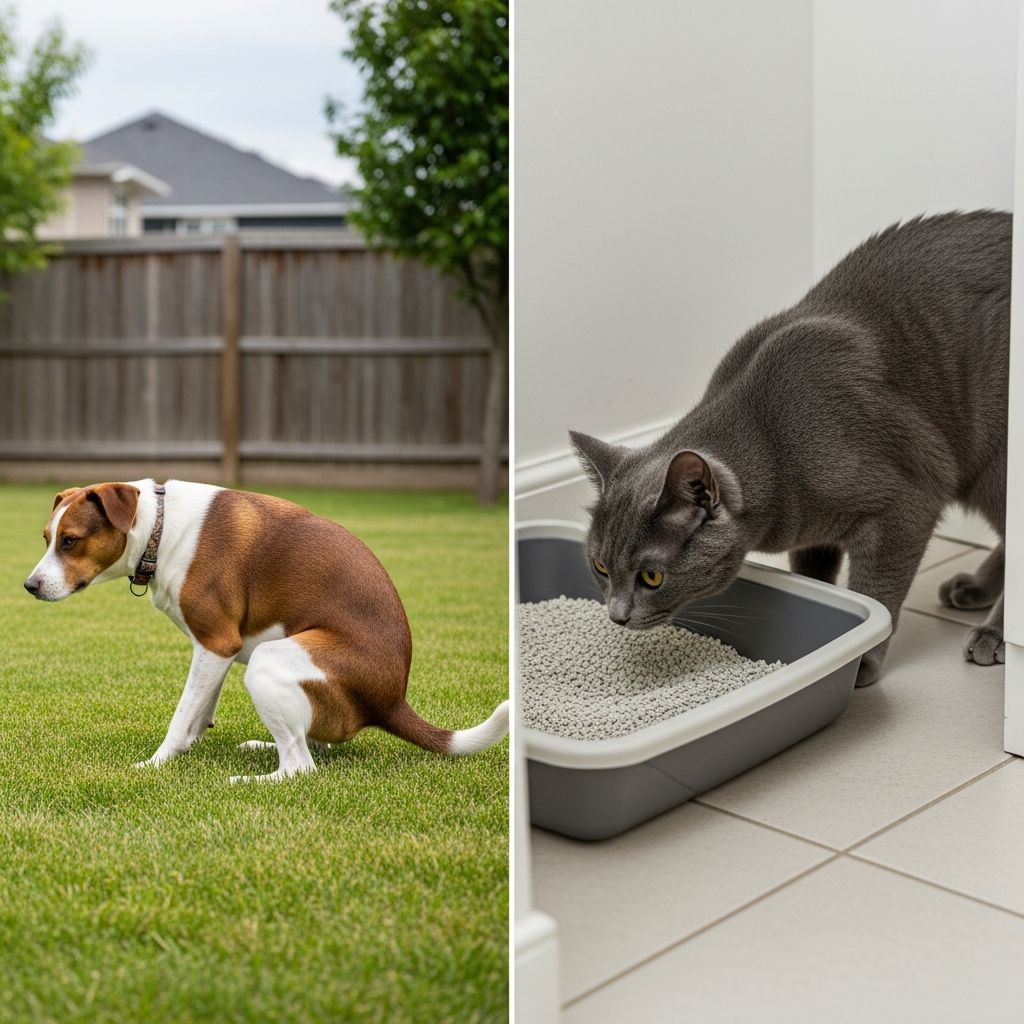
In multi-pet households, one baffling and unpleasant behavior stands out: dogs sneaking into the litter box to eat cat feces. Known scientifically as coprophagia, this habit disgusts owners but is surprisingly common among canines. While it rarely signals a serious problem, understanding the motivations can help you manage and prevent it effectively.
The Allure of Cat Feces for Dogs
Cat poop holds an irresistible appeal for many dogs due to its composition. Cats consume diets rich in proteins and fats to support their carnivorous needs, leading to waste that retains undigested nutrients and emits a strong, meaty odor. Dogs, with their keen sense of smell, detect this as a tasty treat rather than something repulsive.
This attraction mirrors dogs’ ancestral scavenging instincts. Wild canids and early domesticated dogs survived by consuming whatever edible matter they found, including animal waste. Even well-fed modern pets retain this opportunistic drive, making an accessible litter box a prime target.
Instinctual Roots of Coprophagia
Coprophagia isn’t limited to cat poop; dogs may eat their own or other animals’ feces too. In puppyhood, this behavior serves a purpose: mother dogs clean their litters by ingesting waste, stimulating digestion and maintaining hygiene. Puppies mimic this, helping populate their gut with beneficial bacteria essential for breaking down food.
As dogs mature, the habit often fades but can resurface upon discovering cat litter. The first taste reinforces the behavior through positive association, turning casual curiosity into a persistent routine.
Nutritional Factors at Play
Though less common in dogs on balanced commercial diets, nutritional shortfalls can contribute. Diets lacking AAFCO approval—particularly homemade ones—may fail to provide complete nutrition, prompting dogs to seek supplements from nutrient-dense sources like cat feces.
Cat food’s higher calorie density means their stool contains more residual proteins and fats than dog waste. A dog might instinctively “recycle” these to address perceived gaps, though veterinarians note this is rare in healthy pets fed properly.
| Factor | Dog Food Typical | Cat Food Typical |
|---|---|---|
| Protein % | 20-30% | 30-50% |
| Fat % | 10-20% | 15-25% |
| Digestibility | High for dogs | High for cats, nutrient-rich waste |
This table highlights why cat waste tempts dogs: it’s essentially a high-value snack.
Medical Conditions Linked to the Behavior
Sudden or intensified coprophagia warrants a vet check. Parasitic infections, enzyme deficiencies, diabetes, exocrine pancreatic insufficiency (EPI), or thyroid imbalances can heighten hunger or impair nutrient absorption, driving dogs to eat feces.
- Parasites: Worms or protozoa in cat stool can infect dogs, perpetuating a cycle.
- Endocrine Disorders: Conditions like Cushing’s increase appetite abnormally.
- Cognitive Decline: Senior dogs with dysfunction may forget training or act on impulses.
Monitor for symptoms like weight loss, diarrhea, or lethargy alongside the habit.
Behavioral Triggers in Everyday Life
Most cases stem from non-medical causes. Boredom, anxiety, or insufficient exercise leaves dogs seeking stimulation, with the litter box providing novelty and reward. Stress from household changes can also manifest this way.
Attention-seeking plays a role too: if owners react strongly (yelling or chasing), the behavior gains reinforcement through interaction, even if negative.
Health Risks of Litter Box Snacking
While occasional indulgence rarely harms, regular consumption poses risks. Cat feces may carry parasites like roundworms or giardia, transmissible to dogs and humans. Bacteria such as salmonella or E. coli can cause vomiting, diarrhea, or worse.
Litter ingestion adds dangers: clumping types may cause blockages, while silica-based ones irritate the gut. Medications in the cat’s system (e.g., flea treatments) could toxify the dog.
Common aftermath signs include:
- Diarrhea or soft stools
- Vomiting
- Gas and bloating
- Lethargy or appetite loss
- Dehydration indicators like dry gums
Practical Prevention Strategies
Stopping this requires environmental management, training, and enrichment. Start with immediate deterrents:
- Scoop Daily: Remove feces promptly to eliminate temptation.
- Elevate the Box: Place litter on high shelves or in cabinets dogs can’t access.
- Baby Gates: Block rooms with litter boxes during unsupervised times.
For training, use positive reinforcement. Teach “leave it” with treats: present a simulated poop (e.g., cream cheese ball), reward ignoring it. Consistency is key; never punish, as it erodes trust.
Enriching Your Dog’s World
Address root boredom with more exercise—aim for 30-60 minutes daily walks or play. Puzzle toys, sniff mats, and rotate toys keep minds engaged. A tired, stimulated dog has less interest in mischief.
Diet tweaks help: add digestive enzymes or probiotics if vet-approved, potentially reducing appeal. Some owners use litter additives like bitter sprays, but test for cat tolerance first.
Multi-Pet Household Harmony
Separate feeding zones prevent cat food theft, another gateway to poop eating. Feed cats in elevated or closed areas. Monitor interactions to reduce competition stress.
For persistent cases, consult a veterinary behaviorist. They can rule out issues and tailor plans, possibly including anxiety meds if needed.
FAQs
Is it normal for dogs to eat cat poop?
Yes, it’s common and often benign, rooted in instinct and taste preference, but monitor for changes.
Will cat poop make my dog sick?
Possibly—risks include parasites, bacteria, and litter blockages, though many dogs tolerate it fine.
How do I train my dog to stop?
Use positive reinforcement for “leave it,” clean frequently, and provide enrichment.
Does this mean my dog is malnourished?
Rarely; commercial diets usually suffice, but vet check diets without AAFCO statement.
What if my puppy does it?
Puppies explore mouths-first; it often self-resolves with training and management.
Long-Term Management Tips
Track patterns in a journal: when, where, and post-what activities it happens. Adjust routines accordingly. Annual vet exams catch emerging health issues early.
Success stories abound from diligent owners combining management and training. With patience, your dog can learn litter boxes are off-limits, restoring peace to your home.
References
- Why Do Dogs Eat Cat Poop? — Care.com. 2023. https://www.care.com/c/why-do-dogs-eat-cat-poop/
- Why Your Dog Eats Cat Poop Out of the Litterbox — VHA Vets. 2023. https://vhavets.com/blog/dog-eats-cat-poop-out-of-the-litterbox/
- Why Do Dogs Eat Cat Poop? — Rocklin Ranch Veterinary Hospital. 2023. https://www.rocklinranchvet.com/blog/dogs-eat-cat-poop/
- Why Do Dogs Eat Cat Poop? — PetMD. 2023. https://www.petmd.com/dog/nutrition/why-do-dogs-eat-cat-poop
- Why Does My Dog Eat Cat Poop? — American Kennel Club. 2023. https://www.akc.org/expert-advice/training/why-does-my-dog-eat-cat-poop/
- Why Do Dogs Eat Cat Poop? — Falls Village Veterinary Hospital. 2023. https://raleighncvet.com/illness-disease/why-do-dogs-eat-cat-poop/
Similar Articles








Read full bio of Sneha Tete


