

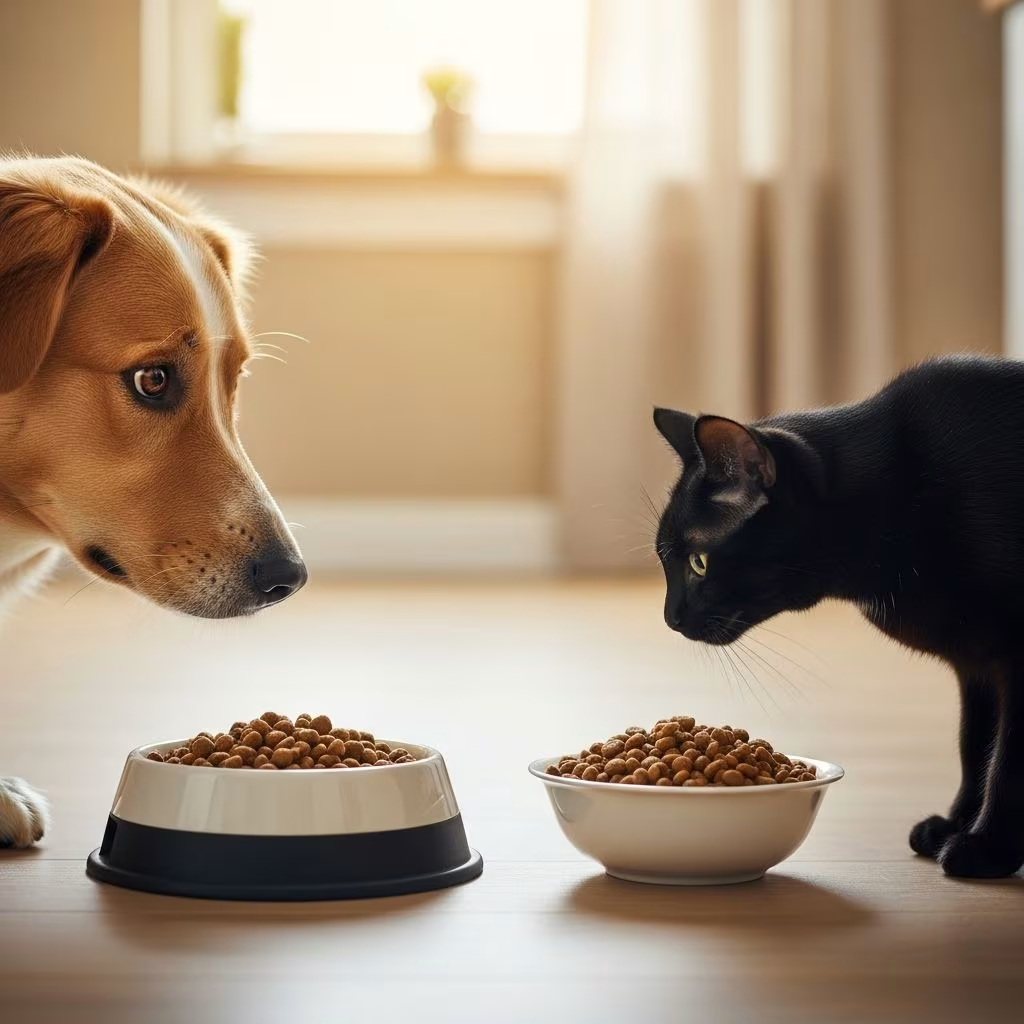
Pet owners with both dogs and cats face a common challenge: keeping their canine companions away from feline meals. While a single stolen bite from the cat’s bowl rarely causes serious harm, regularly feeding cat food to dogs can create significant health complications. Understanding the fundamental differences between feline and canine nutritional needs is essential for responsible pet ownership.
The Nutritional Divide: Why Cat and Dog Foods Differ
Cats and dogs have evolved with distinctly different dietary requirements, a reality reflected in how their commercial foods are formulated. Cats are obligate carnivores, meaning their bodies are designed to thrive on meat-based diets with minimal plant material. Their digestive systems and metabolic processes have adapted over thousands of years to extract nutrition from animal proteins and fats. Dogs, by contrast, are omnivores with more flexible digestive systems capable of processing a balanced mixture of proteins, fats, carbohydrates, and plant-based ingredients.
This fundamental biological difference explains why cat food formulations contain nutrient profiles that work beautifully for felines but create problems when consumed by canines. Cat food manufacturers concentrate certain vitamins, minerals, and macronutrients to meet feline-specific requirements—levels that exceed what dogs need and can even become harmful when consumed regularly.
The Composition Problem: Why Cat Food Attracts Dogs
From a dog’s perspective, cat food is irresistibly appealing. The high concentration of protein and fat creates an aromatic and flavorful treat that most dogs find difficult to resist. However, these very characteristics that make cat food appetizing to dogs are precisely what make it problematic for their long-term health.
Fat Content Concerns: Cat food typically contains significantly higher fat levels than dog food. While fat provides energy and supports certain bodily functions, excessive fat intake in dogs can trigger digestive distress and, more seriously, inflame the pancreas. The pancreas produces digestive enzymes responsible for breaking down dietary fat, and when overwhelmed by rich foods, this organ can become inflamed—a condition known as pancreatitis.
Protein Oversupply: Although dogs require protein for muscle development and maintenance, cat food provides protein levels that exceed canine nutritional requirements. When dogs consume excessive protein regularly, their livers and kidneys must work harder to process and eliminate the excess nitrogen byproducts, potentially stressing these vital organs over time.
Health Complications from Regular Cat Food Consumption
Immediate Digestive Issues
The most common short-term consequence when dogs eat cat food is gastrointestinal distress. Dogs with sensitive stomachs are particularly vulnerable and may experience vomiting, diarrhea, and excessive gas. These symptoms typically emerge within hours of consumption and usually resolve within a day or two. However, if digestive upset persists, veterinary attention is warranted, as it may indicate a more serious underlying issue.
Pancreatitis: A Serious Threat
Pancreatitis represents one of the most dangerous health risks associated with cat food consumption in dogs. This inflammatory condition of the pancreas is extremely painful and requires immediate veterinary intervention. Dogs experiencing pancreatitis display telltale symptoms including:
- Severe abdominal pain and a hunched posture
- Lethargy and general weakness
- Loss of appetite
- Persistent vomiting and diarrhea
- Abdominal swelling
- Fever
If your dog exhibits any of these symptoms after eating cat food, seek veterinary care immediately. Pancreatitis can be life-threatening if left untreated, and some dogs require hospitalization and intensive care.
Vitamin Toxicity
Cat food contains concentrated levels of fat-soluble vitamins, particularly vitamins D and A, which are essential for cats but can accumulate to toxic levels in dogs. While a single episode of cat food consumption rarely causes vitamin toxicity, dogs who repeatedly sneak cat food may gradually accumulate dangerous vitamin levels in their bodies. Vitamin D toxicity is particularly concerning, as it can lead to kidney failure if chronic consumption goes undetected.
Weight Gain and Obesity
The high caloric density of cat food makes it easy for dogs to gain weight when they regularly consume it. Obesity in dogs carries cascading health consequences, including joint problems, diabetes, reduced mobility, and diminished quality of life. Even if a dog doesn’t develop acute pancreatitis from cat food, gradual weight gain from regular consumption creates long-term health challenges.
Vulnerable Dog Populations
While any dog can experience problems from eating cat food, certain dogs face heightened risks:
| Dog Type | Risk Factor |
|---|---|
| Dogs with pancreatitis history | High risk of relapse and severe complications |
| Senior and geriatric dogs | Compromised digestive function and kidney/liver capacity |
| Dogs with kidney disease | Excess protein stresses already weakened kidneys |
| Dogs with liver disease | High protein difficult to metabolize safely |
| Dogs with sensitive stomachs | Higher likelihood of severe digestive upset |
| Overweight dogs | Additional weight gain accelerates obesity-related diseases |
| Dogs on low-fat diets | Cat food contradicts prescribed medical diet |
Dogs with pre-existing liver or kidney disease require special attention, as the excess protein in cat food becomes particularly problematic for their compromised organs. If your dog has any health conditions, consult your veterinarian before allowing any exposure to cat food.
What To Do If Your Dog Eats Cat Food
Single Incident Protocol
If your dog steals a small amount of cat food on a single occasion, panic is unnecessary. Most healthy dogs tolerate occasional exposure to cat food without serious consequences. Monitor your dog for the next 24 hours for signs of digestive upset. A brief episode of vomiting or diarrhea is relatively common but typically self-resolves.
When Veterinary Care Is Needed
Contact your veterinarian if your dog displays any of the following after eating cat food:
- Persistent vomiting lasting more than a few hours
- Severe or bloody diarrhea
- Abdominal pain or a hunched posture
- Lethargy or reluctance to move
- Loss of appetite extending beyond the first day
- Fever or other signs of illness
Be prepared to inform your veterinarian about the type of cat food consumed, the estimated quantity, and when ingestion occurred. This information helps your vet assess the risk and determine appropriate treatment.
Prevention Strategies
Rather than managing problems after they occur, preventing access to cat food is far more effective. Consider these practical strategies:
- Separate feeding locations: Feed your cat in a room your dog cannot access, using a baby gate or pet door sized only for cats
- Elevated feeding stations: Place your cat’s food bowl on a high surface out of your dog’s reach
- Timed feeding: Feed your cat at scheduled times and remove any uneaten food within 15-20 minutes
- Secure storage: Keep dry cat food in airtight containers your dog cannot break into
- Supervise mealtime: Watch both pets during feeding to prevent food sharing or theft
- Train appropriate behavior: Teach your dog to stay away from the cat’s feeding area using positive reinforcement
Can Cat Food Ever Be Beneficial for Dogs?
In certain limited circumstances, veterinarians may recommend cat food for dogs. Senior dogs with diminished appetites or chronically ill dogs recovering from illness sometimes find cat food more palatable due to its strong aroma and high protein content. In these cases, cat food might serve as a temporary appetite stimulant. However, this should only occur under explicit veterinary guidance and for short-term use, not as a permanent dietary solution.
Once a dog’s appetite improves or recovery is underway, transitioning back to appropriate canine nutrition is essential. Prolonged use of cat food, even for medical reasons, risks the same health complications that affect dogs who steal it from cats.
Understanding Caloric Needs
Dogs require roughly 400-500 calories per pound of ideal body weight annually, though this varies by age, activity level, and metabolism. A typical adult dog of 30 pounds needs approximately 800-1000 calories daily. Because cat food is calorie-dense due to its high fat content, small portions can quickly exceed a dog’s daily caloric needs, contributing to rapid weight gain.
Frequently Asked Questions
Is cat food toxic to dogs?
Unlike foods containing truly toxic substances such as chocolate, onions, and xylitol, cat food itself is not inherently toxic to dogs. However, the nutritional imbalance and high fat content can cause serious health problems with regular consumption.
How much cat food can a dog safely eat?
An occasional small amount is unlikely to cause harm. However, there is no specific safe daily amount that experts recommend for dogs. The safer approach is to prevent access entirely rather than trying to determine acceptable quantities.
Can dogs survive long-term on cat food?
While dogs could technically survive on cat food in an emergency, they would not receive the appropriate nutrient balance for optimal health. Long-term feeding would inevitably result in health complications.
Why do dogs find cat food so appealing?
The meaty aroma, high protein content, and rich fat profile make cat food extremely palatable to dogs. From a sensory perspective, it’s essentially a gourmet treat compared to their regular food.
Should I worry if my dog ate some cat food once?
A single small amount typically causes no lasting harm. Monitor for signs of digestive upset over the next day. If your dog appears normal, no intervention is necessary. However, establish prevention strategies to avoid repeat incidents.
Key Takeaways
While cat food isn’t toxic to dogs, its nutritional composition designed for feline needs creates significant risks when consumed by canines. The primary dangers—pancreatitis, vitamin toxicity, obesity, and gastrointestinal upset—increase substantially with regular consumption. Dogs with pre-existing health conditions face even greater risks. Rather than managing complications after they develop, preventing access through physical barriers and management strategies is the most responsible approach. If your dog accidentally consumes cat food, monitor for signs of distress and contact your veterinarian if concerning symptoms develop. By understanding these nutritional differences and implementing practical prevention methods, you can keep both your dog and cat healthy while allowing them to coexist peacefully in your home.
References
- Can Dogs Eat Cat Food? Unveiling the Truth and Risks — Vets Now. 2024. https://www.vets-now.com/pet-care-advice/can-dogs-eat-cat-food/
- Is it Safe for Dogs to Eat Cat Food? — Falls Village Vet. 2024. https://raleighncvet.com/dog-care/is-it-safe-for-dogs-to-eat-cat-food/
- Can Dogs Eat Cat Food? — Whole Dog Journal. 2024. https://www.whole-dog-journal.com/food/can-dogs-eat-cat-food/
- Can Dogs Eat Cat Food? — PetMD. 2024. https://www.petmd.com/dog/nutrition/can-dogs-eat-cat-food
- Can Dogs Eat Cat Food? A Guide to Safety — Purina US. 2024. https://www.purina.com/articles/dog/feeding/can-dogs-eat/can-dogs-eat-cat-food
- Can Dogs Eat Cat Food? — American Kennel Club. 2024. https://www.akc.org/expert-advice/nutrition/can-dogs-eat-cat-food/
- Can Dogs Eat Cat Food? — Dog Food Advisor. 2024. https://www.dogfoodadvisor.com/canine-nutrition/can-dogs-eat-cat-food/



