

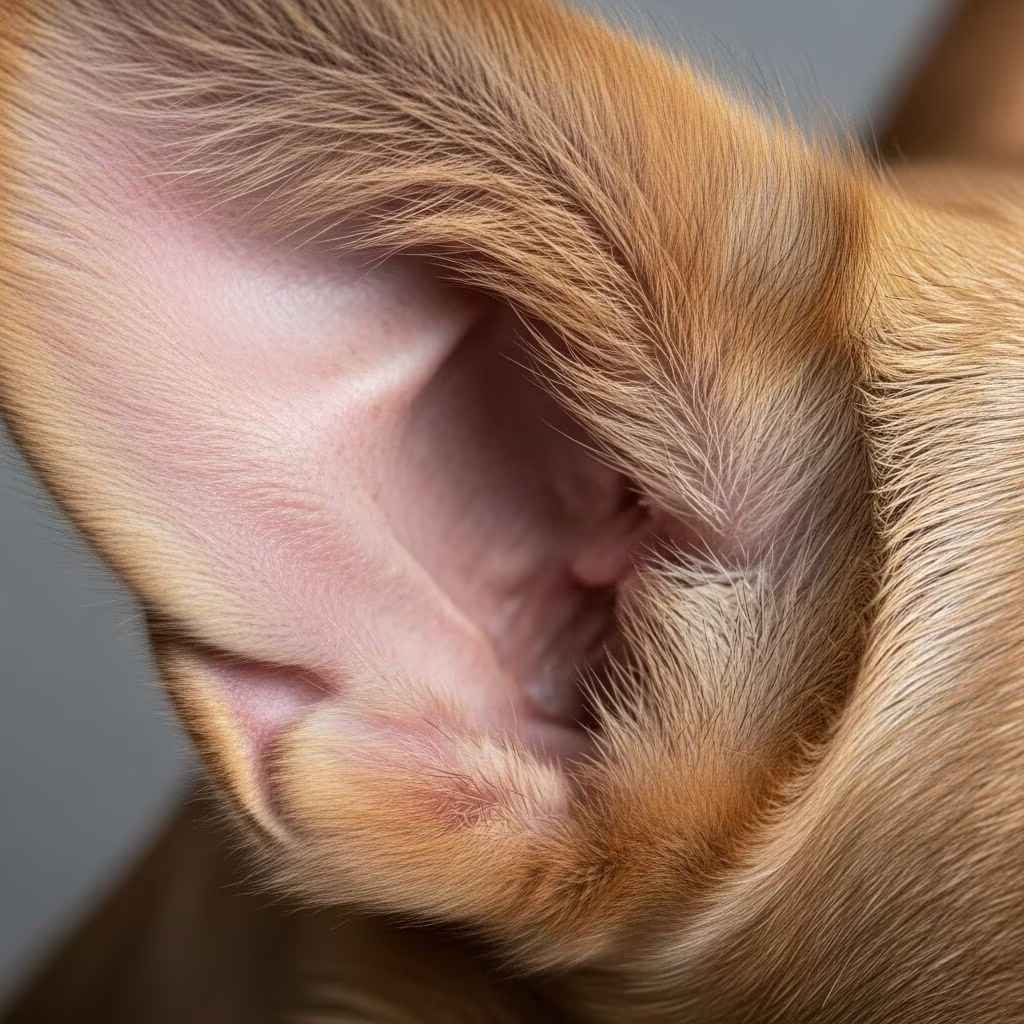
A foul odor emanating from your dog’s ears can be alarming and uncomfortable for both you and your pet. Dog ears are prone to various issues due to their warm, moist environment, which fosters bacterial growth, yeast overgrowth, and other problems. Understanding the root causes, recognizing symptoms early, and knowing how to respond is crucial for your dog’s health and comfort. This comprehensive guide explores the most common reasons for smelly dog ears, diagnostic methods, treatment options, safe cleaning techniques, and preventive strategies to keep your furry friend’s ears fresh and healthy.
Common Causes of Smelly Dog Ears
Dogs’ ears can develop unpleasant smells from several underlying issues. The ear canal’s anatomy—long, narrow, and often covered by floppy ear flaps in many breeds—traps moisture and debris, creating an ideal breeding ground for pathogens. Here are the primary culprits:
- Earwax Buildup: Excessive wax production leads to a waxy, musty odor. Certain breeds like Cocker Spaniels, Basset Hounds, and Labradors are predisposed due to their ear structure, which limits airflow and promotes accumulation.
- Yeast Infections: Overgrowth of yeast, such as Candida, produces a sweet, musty smell. Symptoms include reddish-brown discharge, itching, and inflammation. Floppy-eared dogs are especially vulnerable because poor ventilation traps moisture.
- Bacterial Infections: Bacteria thrive in warm, moist ears, causing a pungent, foul odor often accompanied by yellow or bloody discharge, redness, swelling, and pain. Allergies frequently trigger chronic inflammation leading to these infections.
- Ear Mites: These parasites cause a dark, crumbly discharge with a coffee-ground-like smell. Common in puppies and multi-pet households, mites lead to intense itching and head shaking.
- Foreign Objects or Debris: Grass seeds, dirt, or trapped water from swimming can introduce infections, resulting in odor as secondary bacterial or yeast growth occurs.
Other contributing factors include allergies (food or environmental), a compromised immune system, or underlying conditions like hypothyroidism, which weaken defenses against infections. Breeds with pendulous ears, such as Spaniels and Hounds, face higher risks due to reduced air circulation.
Recognizing the Signs: Symptoms of Ear Problems
Early detection prevents complications like chronic otitis, eardrum rupture, or hearing loss. Watch for these key indicators:
- Foul, musty, or yeasty odor from one or both ears.
- Excessive head shaking or tilting.
- Frequent scratching or rubbing ears on furniture.
- Redness, swelling, or warmth around the ear base.
- Discharge: black/brown (mites), yellow/bloody (bacteria), or reddish (yeast).
- Hair loss, scabs, or crusting on the ear flap.
- Sensitivity to touch or pain when ears are handled.
Severe cases may involve balance issues, eye discharge, or lethargy, signaling deeper infections that could lead to neurological damage if untreated. Puppies and dogs with allergies often show recurrent symptoms.
When to See a Vet: Don’t Delay Diagnosis
If you notice any odor or symptoms, consult a veterinarian promptly. Self-treatment risks worsening the issue or masking symptoms. Vets use these diagnostic tools:
| Method | Description |
|---|---|
| Otoscopic Exam | Visual inspection of the ear canal using an otoscope to check for inflammation, discharge, or foreign bodies. |
| Cytology (Ear Swab) | Microscopic analysis of ear debris to identify bacteria, yeast, or mites. |
| Culture and Sensitivity | Lab test for resistant bacterial infections to guide antibiotic choice. |
| Imaging (X-rays/CT) | Rarely, for deep or chronic issues like tumors or polyps. |
Diagnosis determines treatment: antifungals for yeast, antibiotics for bacteria, or miticides for parasites. Vets may flush the ear under sedation for thorough cleaning.
Treatment Options for Smelly Ears
Treatment varies by cause but typically combines medication and cleaning:
- Yeast/Bacterial Infections: Prescription ear drops (antifungal/antibiotic), oral meds, or topicals. Clean ears first to enhance absorption.
- Ear Mites: Miticide drops or injections; treat all pets and environment.
- Foreign Objects: Manual removal or flushing; surgery if needed.
- Allergies: Identify triggers via testing; use hypoallergenic diets or meds.
Follow-up visits ensure resolution. Avoid over-the-counter remedies without vet approval, as they can irritate.
How to Clean Your Dog’s Ears Safely at Home
Regular cleaning prevents buildup but follow vet guidance, especially during infections—don’t clean before diagnosis to avoid pushing debris deeper. Steps for safe cleaning:
- Gather Supplies: Vet-approved, non-toxic cleaner (e.g., antimicrobial rinses with no alcohol, peroxide, or vinegar).
- Position Dog: Calm your pet; use treats for cooperation.
- Apply Cleaner: Fill ear canal; massage base 30 seconds to loosen debris.
- Drain and Wipe: Let dog shake head; wipe outer ear with cotton pads—no Q-tips inside canal.
- Dry Thoroughly: Ensure ears are dry post-swim or bath.
Clean weekly or as advised, more for prone breeds. Products with soothing agents like aloe or glycerol help.
Preventing Ear Odor: Tips for Long-Term Ear Health
Proactive care keeps ears odor-free:
- Inspect weekly for early signs.
- Clean routinely with vet-recommended solutions.
- Dry ears after water exposure.
- Manage allergies with diet trials or meds.
- Groom floppy ears to promote airflow.
- Maintain overall health via balanced diet and checkups.
For high-risk breeds, monthly vet ear checks are ideal.
Frequently Asked Questions (FAQs)
Why do my dog’s ears smell like yeast?
Yeast overgrowth, common in moist ears, causes a musty, sweet odor. Floppy-eared breeds are prone; see a vet for antifungal treatment.
Can I clean my dog’s smelly ears at home?
Yes, with vet-approved cleaners, but diagnose first. Massage cleaner in, let shake, and wipe gently—avoid Q-tips.
How often should I clean my dog’s ears?
Weekly for most dogs; more for swimmers or prone breeds. Always dry after baths.
What breeds are prone to smelly ears?
Cocker Spaniels, Basset Hounds, Labs—floppy ears trap moisture.
Will smelly ears go away on their own?
No, untreated issues worsen, risking chronic problems or hearing loss. Vet care is essential.
References
- How to Clean Your Dog’s Ears — Cornell University College of Veterinary Medicine. 2023. https://www.vet.cornell.edu/departments-centers-and-institutes/riney-canine-health-center/canine-health-topics/how-clean-your-dogs-ears
- Reasons Why Your Dog’s Ear Smells — Frontier Veterinary Urgent Care. 2024-01-15. https://frontierveturgentcare.com/blog/dogs-ear-smells/
- Three Tips for Smelly Dog Ears in Pewaukee, WI — Pewaukee Veterinary Service. 2023. https://pewaukeeveterinaryservice.com/blog/smelly-dog-ears-pewaukee-wi/
- Why Your Dogs Ear Smells & How to Treat It — Vetericyn. 2024. https://vetericyn.com/blogs/vetericyn/why-your-dogs-ear-smells-how-to-treat-it



