

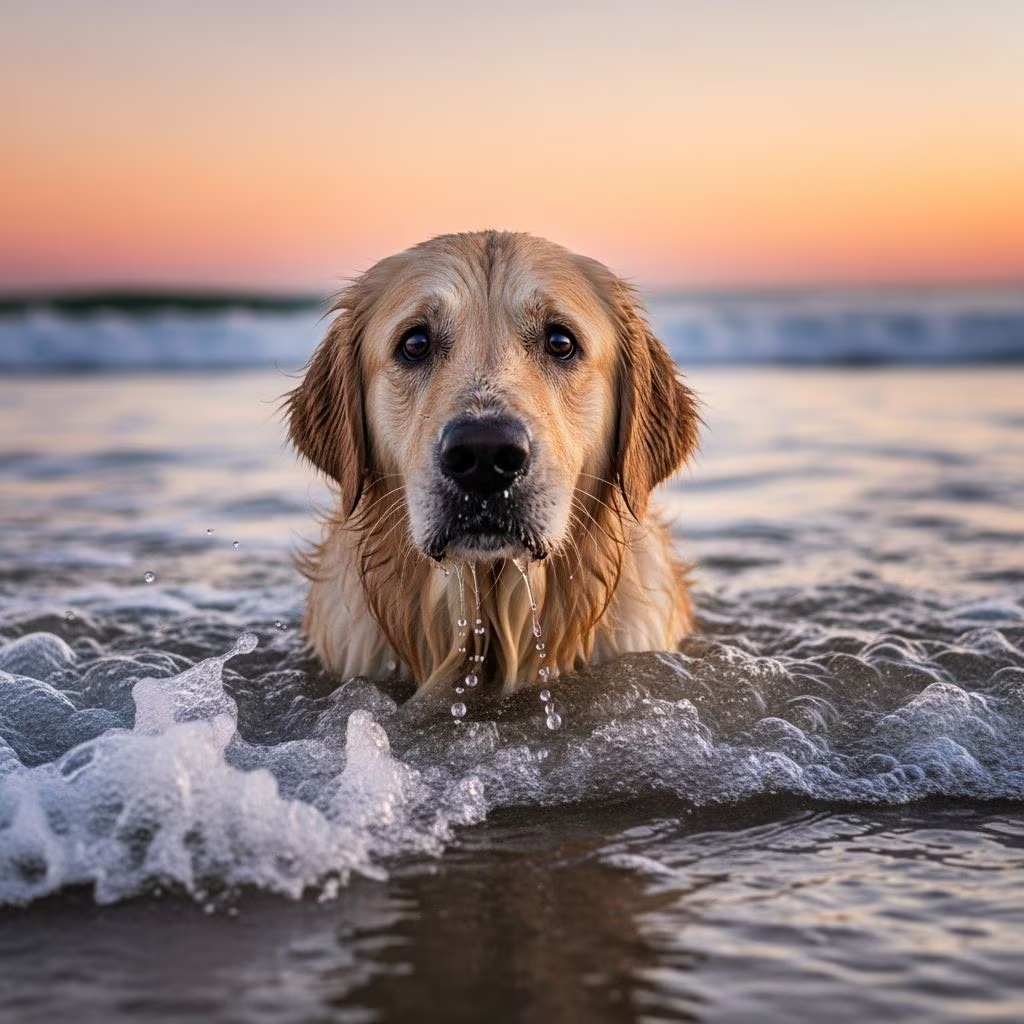
Dogs love splashing in ocean waves, but gulping salt water during play can trigger a dangerous condition known as salt poisoning or hypernatremia. This imbalance floods their system with excess sodium, pulling vital fluids from cells and causing rapid dehydration alongside severe health complications.
Understanding the Science Behind Salt Toxicity
Salt water contains far higher sodium concentrations than a dog’s body can handle. When ingested, it forces cells to release water to dilute the sodium, shrinking brain cells and disrupting bodily functions. This process, called osmosis, leads to fluid shifts that strain the kidneys and heart.
Smaller breeds face greater risks from even modest amounts due to their lower body mass. Pre-existing conditions like kidney disease amplify the danger, turning a fun beach trip into a medical crisis.
Early Warning Signs to Spot Immediately
Watch for these initial indicators after beach exposure:
- Excessive thirst: Dogs drink far more than usual to combat dehydration.
- Vomiting and diarrhea: Stomach irritation expels fluids, worsening the cycle.
- Lethargy or weakness: Reduced energy signals electrolyte disruption.
- Increased drooling or urination: Body attempts to flush excess salt.
These symptoms often appear within hours. Ignoring them allows progression to critical stages.
Advanced Symptoms Demanding Urgent Action
Severe cases escalate quickly:
- Neurological distress: Confusion, unsteadiness, tremors, or seizures from brain cell shrinkage.
- Cardiovascular strain: Rapid heart rate and elevated temperature.
- Loss of appetite or collapse: Extreme dehydration leads to stupor or coma.
| Symptom Stage | Common Signs | Timeframe After Ingestion |
|---|---|---|
| Early | Thirst, vomiting, tiredness | 1-4 hours |
| Moderate | Diarrhea, weakness, drooling | 4-12 hours |
| Severe | Seizures, tremors, coma | 12+ hours or rapid |
Mortality exceeds 50% in untreated toxic cases, emphasizing immediate veterinary intervention.
Why Beach Play Increases the Risk
Dogs chasing waves, fetching toys, or playfully biting water ingest salt repeatedly. Hot weather exacerbates thirst, prompting more drinking from contaminated sources. Dehydrated dogs from play absorb sodium faster, heightening vulnerability.
Other sources include brackish ponds or accidental laps from puddles. Even treated pool water with salt chlorinators poses minor threats if overconsumed.
Immediate Steps if Exposure Occurs
- Stop beach activities: Remove from water and offer fresh water slowly.
- Monitor closely: Note symptoms and timeline.
- Contact vet or poison hotline: Describe exposure amount and signs.
- Do not induce vomiting: Risks aspiration without professional guidance.
Rush to an emergency clinic if neurological symptoms emerge. Time is critical.
Veterinary Diagnosis and Treatment Protocols
Vets start with bloodwork and urinalysis to measure sodium levels, often exceeding 160-180 mEq/L in toxicity.
Treatment focuses on gradual correction:
- IV fluids: Dilute sodium slowly to avoid cerebral edema from rapid shifts.
- Electrolyte monitoring: Balances potassium and others disrupted by salt.
- Supportive care: Anti-seizure meds, anti-nausea drugs, and kidney protection.
Hospitalization lasts 24-72 hours for severe cases, with full recovery possible if addressed promptly.
Prevention Strategies for Safe Beach Adventures
Proactive habits minimize risks:
- Pack ample fresh water: Encourage drinking from portable bowls frequently.
- Train ‘leave it’ command: Discourage wave-chasing or gulping.
- Limit playtime: Take breaks in shade to prevent overheating thirst.
- Rinse after swims: Fresh water mouth rinse reduces swallowed salt.
- Supervise small breeds: Higher risk; keep leashed near water.
For multi-dog households, monitor all sizes, as larger dogs may ingest more volume.
Related Conditions and Risk Factors
Salt toxicity mimics dehydration from heatstroke but stems from sodium overload. Dogs with heart, liver, or adrenal issues face compounded dangers.
Playdough or salty foods at home can cause similar effects; always secure high-sodium items.
Long-Term Effects and Recovery Outlook
Most dogs recover fully with timely care, but repeated exposures risk permanent kidney damage or neurological deficits. Annual checkups catch vulnerabilities early.
Post-incident, maintain hydration routines and avoid salty environments during recovery.
Frequently Asked Questions
Can a little salt water hurt my dog?
Small amounts with fresh water access rarely cause issues, but monitor for symptoms. Larger gulps demand caution.
How much salt water is toxic?
No safe universal amount; 2-3% body weight in salt water risks toxicity, varying by size and health.
What if my dog only has mild symptoms?
Call your vet; even diarrhea signals imbalance needing professional assessment.
Is ocean water worse than pool water?
Ocean water’s higher salinity (3.5%) poses greater threats than salted pools (0.5-1%).
How do I know if treatment worked?
Follow-up blood tests confirm normalized sodium; energy return indicates recovery.
References
- Is It Dangerous for Dogs to Drink Salt Water? — American Kennel Club. 2023-06-15. https://www.akc.org/expert-advice/health/dogs-drinking-salt-water/
- Salt Water Poisoning in Dogs: Urgent Signs & What to Do — Garden State Veterinary Specialists. 2024-05-20. https://gsvs.org/blog/salt-water-poisoning-dogs-emergency/
- Salt Poisoning in Dogs – Causes, Treatment and … — Vetster. 2024-02-10. https://vetster.com/en/conditions/dog/salt-poisoning
- Saltwater poisoning in dogs: Symptoms to look out for — Calder Vets. 2023-07-12. https://www.caldervets.co.uk/news/saltwater-poisoning-in-dogs-symptoms-to-look-out-for/
- Dealing with Saltwater Poisoning in Dogs at the Beach — Animal Emergency Urgent Care Center. 2024-03-05. https://www.animalemergencyurgentcare.com/dealing-with-saltwater-poisoning-in-dogs-at-the-beach/
- Salt Water Poisoning In Dogs — Warren House Vets. 2023-08-18. https://warrenhousevets.com/salt-water-poisoning-in-dogs/
- Sodium Toxicity Symptoms in Pets — Pet Poison Helpline. 2024-01-22. https://www.petpoisonhelpline.com/pet-tips/sodium-toxicity-symptoms-in-pets/
- Understanding Salt Toxicity in Dogs — Animal Emergency Service. 2023-11-30. https://animalemergencyservice.com.au/blog/understanding-salt-toxicity-in-dogs/



