

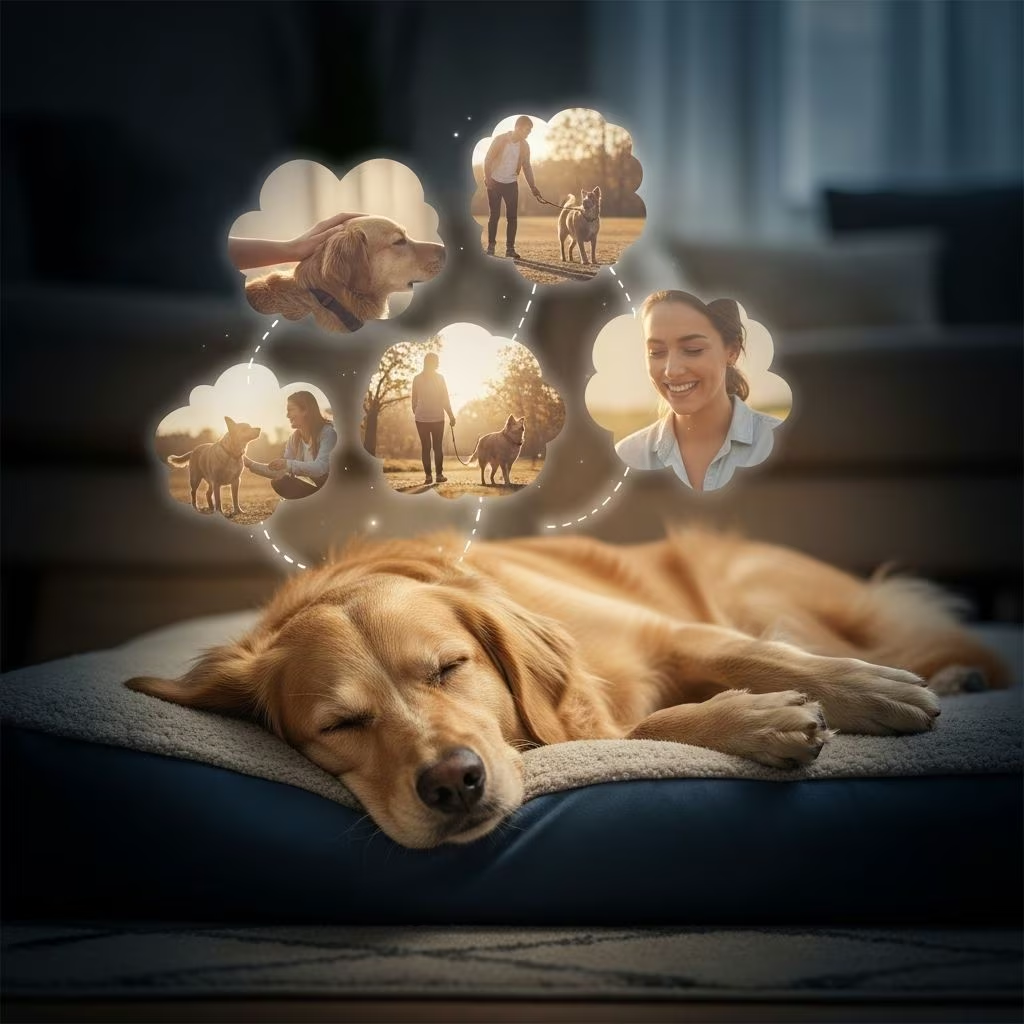
Your dog’s twitching paws and soft whines during sleep aren’t random—they’re likely dreaming of you, their most important human. Harvard psychologist Dr. Deirdre Barrett confirms dogs replay daily experiences, with owners featuring prominently due to their deep emotional attachment.
Do Dogs Dream?
Yes, dogs dream, experiencing REM sleep just like humans, where vivid dreams occur as the brain processes daily events. During REM, dogs’ eyes dart rapidly, heart rates increase, and brain waves mirror wakefulness, indicating active dreaming.
Research on mammals, including rats at MIT, shows REM sleep replays real-life neural patterns, suggesting dogs dream of walks, playtime, and interactions with owners. Dr. Barrett notes dogs dream visually and emotionally about attachments, not logically.
The Science Behind Canine Dreams
Dogs cycle through non-REM deep sleep and REM stages multiple times nightly, spending up to 12 hours asleep—half in REM for smaller breeds. Larger breeds dream less frequently but longer; a Chihuahua dreams every 10 minutes, while a Labrador’s cycle lasts 90 minutes.
- REM Sleep Cycle: Brain replays fragments of the day, mixing scents, sights, and emotions.
- Neural Evidence: MIT studies on rats confirm place cells activate during REM, simulating mazes—dogs likely do the same for parks or homes.
- Human Parallel: Like us, dogs dream of what matters: food, toys, chases, and humans.
Dr. Stanley Coren, dog dream expert, observed size impacts frequency: small dogs dream more often in short bursts. Puppies and seniors show more movement due to immature or weakening brain mechanisms.
What Do Dogs Dream About?
Dogs dream of daily life highlights: chasing balls, belly rubs, mealtimes, and crucially, their owners. Dr. Barrett states, “since dogs are generally extremely attached to their human owners, it’s likely your dog is dreaming of your face, your smell and of pleasing or annoying you”.
Visual processing dominates, creating scent-filled scenarios of parks or play. Dreams feature:
- Owners’ faces and scents for comfort.
- Play sessions, runs, or squirrel chases.
- Treats, toys, and routines.
BBC Science Focus explains dogs’ non-logical dreams blend familiar elements creatively. Social media abounds with owners imagining pups dreaming of them, strengthening bonds.
Signs Your Dog Is Dreaming
Observe these classic indicators during sleep:
| Sign | Description | Why It Happens |
|---|---|---|
| Twitching Paws/Legs | Paddling as if running | Weak pons mechanism allows partial movement |
| Whines/Barks | Soft vocalizations | Replaying chases or calls |
| Tail Wags | Gentle wagging | Happy owner interactions |
| Eye Movements | Rapid darting under lids | Core REM trait |
| Facial Twitches | Nose/snout movements | Sniffing dream scents |
Such behaviors peak in puppies, old dogs, and during deep REM when muscle atonia falters. Cat studies show hunting reenactments; dogs likely mimic running or playing.
Do Dogs Have Nightmares?
Dogs can have nightmare-like dreams reliving stress: baths, vet visits, or loud noises. Unlike humans’ imaginative fears, canine dreams replay real traumas. Signs include distressed whines, cowering, or rapid panting.
Experts advise against waking dreaming dogs—confusion risks bites. Wait for natural waking, then offer comfort. Most ‘nightmares’ resolve in sleep cycles.
Differences in Dreams by Breed and Age
Dream patterns vary:
- Small Breeds: Frequent, short dreams (every 10 mins).
- Large Breeds: Infrequent, long dreams (90+ mins).
- Puppies: Vivid, active dreams; underdeveloped pons causes more motion.
- Seniors: Increased movement from aging brain.
- Active Dogs: Dreams of exertion like herding or agility.
This ties to metabolism and brain size—smaller dogs cycle faster.
The Bond: Why Owners Star in Dreams
Owners dominate dreams because dogs’ worlds revolve around us: 50% of their day asleep amplifies replay time. Harvard research underscores attachment—your scent, voice, touch replay for emotional processing.
This deepens human-dog bonds; every twitch may signal love or play dreams. Dr. Barrett’s work, echoed in media, affirms dogs perceive us as central.
Frequently Asked Questions (FAQs)
Do all dogs dream about their owners?
Most do, per Harvard research, as owners are primary attachments—dreams focus on emotional daily anchors.
How often do dogs dream?
Small dogs every 10-15 mins; large every 45-90 mins during 12+ sleep hours.
Is it safe to wake a dreaming dog?
No—risks disorientation or snaps. Let cycles end naturally.
Can you tell if it’s a good dream or nightmare?
Happy: tail wags, relaxed whines. Distressed: tense body, yelps.
Do puppies dream more?
Yes, with more visible movements due to developing brains.
Key Takeaways
- Dogs dream in REM, replaying life with you at center.
- Watch for twitches signaling chases or cuddles.
- Breed/age affects frequency and visibility.
- Strengthens bonds knowing you’re in their dreamworld.
Next time your dog ‘runs’ in sleep, smile—they’re likely adventuring with you.
References
- Science Confirms Dogs Dream About the People They Love Most — Greater Good. 2023-10-19. https://greatergood.com/blogs/news/dogs-dream-owners
- Harvard scientists discover that dogs dream of their human owners — Pawfect Stays. N/A. https://www.pawfectstays.co.uk/health/dogs-dreams/
- Your dog dreams of you! – Oven-Baked Tradition — Oven-Baked Tradition. N/A. https://www.ovenbakedtradition.com/en/resources-and-tips/your-dog-often-dreams-of-you/
- Researchers say dogs probably dream about their owners — News 19 WLTX (YouTube). 2023-10-19. https://www.youtube.com/watch?v=h24MW0__aV0
- Dogs Do Dream, and It’s Most Likely About Their Toys, Food, and You — Discover Magazine. N/A. https://www.discovermagazine.com/dogs-do-dream-and-its-most-likely-about-their-toys-food-and-you-47645



