

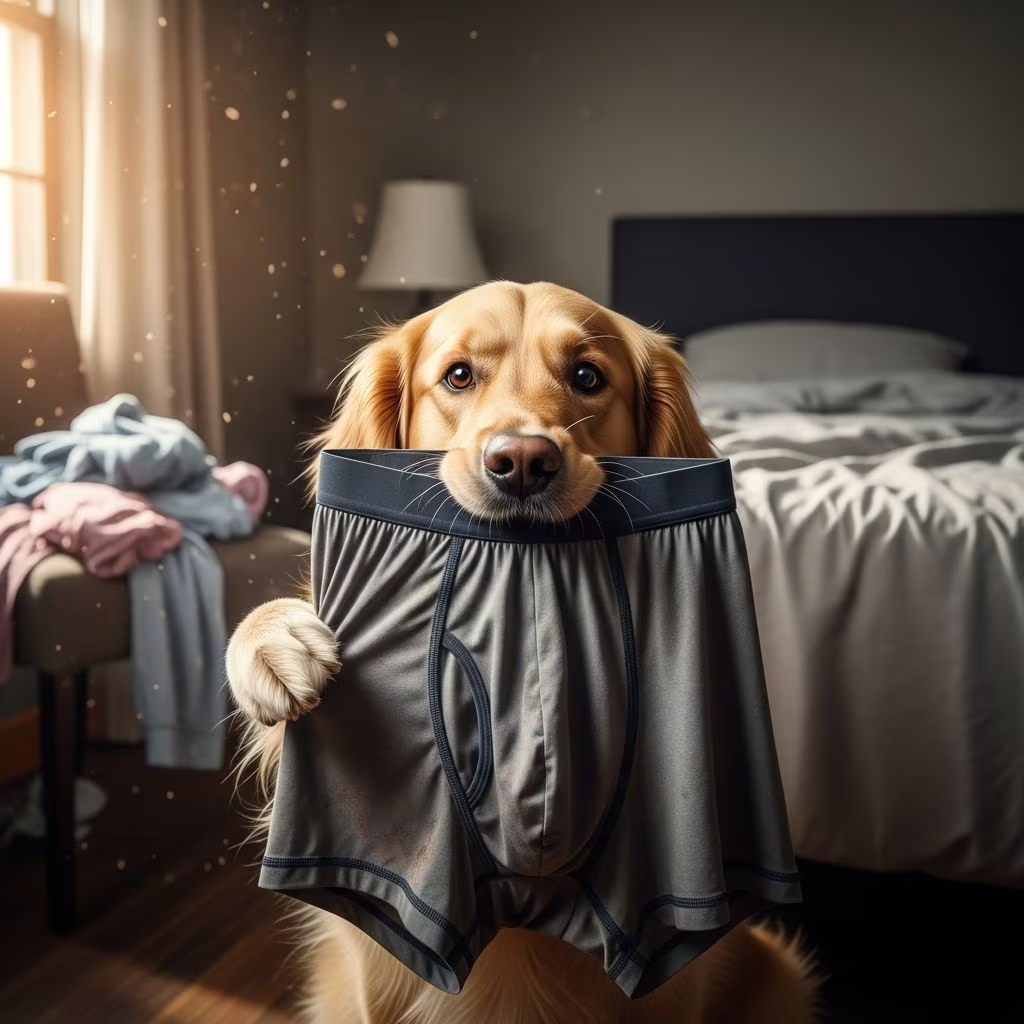
Many dog owners encounter the puzzling sight of their pet proudly parading around with a piece of dirty underwear in its mouth. This quirky behavior stems from a combination of powerful instincts, heightened senses, and emotional needs unique to canines. Understanding these drivers not only explains the habit but also empowers owners to address it constructively without frustration.
The Power of Scent in a Dog’s World
Dogs possess an extraordinary sense of smell, estimated to be between 10,000 and 100,000 times more sensitive than humans’. This olfactory superpower allows them to detect pheromones, hormones, and other chemical signals that convey vital information about their environment and pack members. Dirty underwear, often carrying concentrated human scents from sweat, skin cells, and bodily secretions, becomes a treasure trove for exploration.
Unlike humans who prioritize vision, dogs navigate their world primarily through smell. The fabric traps odors that tell a story—your diet, stress levels, health status, and even emotional state. For instance, traces of fecal matter or urine remnants provide clues similar to how dogs analyze each other’s scents during greetings.
Emotional Bonds and Comfort Seeking
At its core, a dog’s affinity for your unwashed garments often reflects deep affection and a desire for closeness. Familiar scents trigger pleasure centers in the canine brain, akin to a child’s comfort from a parent’s smell. Pets may burrow into laundry piles when alone, using the aroma as a surrogate for your presence.
This behavior intensifies during times of anxiety or separation. The scent acts as a security blanket, reducing stress hormones and promoting relaxation. Owners frequently report finding dogs napping on discarded clothes, especially in new environments or after long absences.
Instinctual Drives from Ancestral Roots
Domestic dogs descend from wolves, pack animals with scavenger tendencies. In the wild, strong odors signaled food, territory, or mates. Today, this translates to interest in pungent items like underwear. Scent hounds, bred for tracking, exhibit this most pronouncedly, treating laundry as prey during play hunts.
Additionally, omnivorous nature draws dogs to biological scents, including blood during menstrual cycles. Evolutionary history suggests early dogs scavenged human waste, reinforcing attraction to waste-tainted fabrics.
Boredom, Energy, and Destructive Outlets
Inactive dogs channel excess energy into mischief. Breeds like Border Collies or German Shepherds require substantial daily exercise—up to two hours of physical activity plus mental puzzles. Without it, laundry raiding fills the void, combining scent appeal with chewing satisfaction.
- Physical needs: Walks, runs, or fetch games burn calories and tire muscles.
- Mental stimulation: Puzzle toys, training sessions, or scent work mimic natural foraging.
- Consequences of neglect: Chewing escalates to swallowing, risking intestinal blockages.
Teething and Chewing Phases
Puppies endure painful teething from 3 to 6 months, prompting relentless gnawing for relief. Adult dogs also chew to maintain dental health or alleviate discomfort. Underwear’s soft texture and accessibility make it ideal, though dangerous due to ingestion risks.
| Life Stage | Chewing Motivation | Safe Alternatives |
|---|---|---|
| Puppy (3-6 months) | Teething pain | Frozen kong toys, chew sticks |
| Adult | Boredom, dental care | Nylabones, rubber toys |
| Senior | Cognitive decline, anxiety | Soft plush with scents |
Attention-Seeking and Habit Formation
Dogs quickly learn that snatching underwear elicits reactions—chasing, scolding, or laughter—which reinforces the behavior. Even negative attention suffices for social creatures. Over time, it becomes a habit, especially if rewarding elements like taste or texture persist.
Health Risks of Underwear Consumption
Beyond annoyance, this habit poses serious dangers. Swallowed fabric can cause gastrointestinal obstructions, requiring surgery in severe cases. Smaller breeds face higher risks from elastic bands or dense materials. Symptoms include vomiting, lethargy, and abdominal pain—prompt veterinary attention is crucial.
Menstrual-stained items introduce bacterial risks, potentially leading to infections. Regular deworming and monitoring prevent complications from scavenged waste exposure.
Proven Strategies to Deter the Habit
Addressing root causes yields lasting results. Consistency across household members is key.
- Secure Laundry: Use lidded hampers or high shelves. Wash promptly.
- Exercise Routine: 30-60 minutes daily, tailored to breed.
- Enrich Environment: Rotate toys, hide treats for scent games.
- Training Techniques: Teach “leave it” with positive reinforcement—treats over punishment.
- Supervise Puppies: Crate train for alone time.
For persistent cases, consult trainers or behaviorists. Anxiety may warrant pheromone diffusers or vet-prescribed aids.
Breed-Specific Tendencies
Predispositions vary:
- Hounds (Beagle, Bloodhound): Scent obsession from hunting heritage.
- Herder/Workers (Collie, Shepherd): High energy demands.
- Retrievers (Labrador): Mouthy play style.
- Small Toys (Chihuahua): Attention bids despite size.
FAQs
Is it normal for dogs to eat dirty underwear?
Yes, it’s common but not harmless. It signals unmet needs or instincts; intervene to prevent health issues.
How can I train my dog to stop?
Combine redirection, exercise, and commands like “drop it.” Consistency prevents reinforcement.
What if my dog swallows underwear?
Monitor for distress; X-rays may be needed. Surgery risks rise with delay.
Do all breeds do this?
No, scent-driven and high-energy breeds are most prone.
Can this indicate medical problems?
Rarely, but pica (eating non-food) may link to nutritional gaps or GI issues—vet check advised.
Long-Term Management for a Harmonious Home
Transform this nuisance into a training opportunity. By fulfilling sensory, physical, and emotional needs, dogs thrive without destructive outlets. Patient, proactive owners foster stronger bonds, reducing incidents over time. Celebrate progress with praise, ensuring your pup associates good choices with rewards.
Integrate scent enrichment like DIY sniff mats using safe fabrics. Track improvements via journals to refine approaches. Ultimately, this habit underscores dogs’ profound connection to us—channel it positively for mutual joy.
References
- Why Do Dogs Like Dirty Underwear? 10 Surprising Reasons — Dogster. 2023-05-15. https://www.dogster.com/lifestyle/why-do-dogs-like-dirty-underwear
- Why Do Dogs Like Dirty Underwear? 10 Likely Reasons — Hepper. 2024-02-20. https://articles.hepper.com/why-do-dogs-like-dirty-underwear/
- Why Dogs Like Dirty Underwear — WagWalking. 2023-11-10. https://wagwalking.com/behavior/why-dogs-like-dirty-underwear
- The Curious Case of Dogs and Underwear — Oreate AI. 2024-08-05. https://www.oreateai.com/blog/the-curious-case-of-dogs-and-underwear-understanding-this-quirky-behavior/37e6537ed82b0914c410f36beb9e187a
- Canine Olfaction: Physiology, Behavior, and Possibilities — PMC (National Library of Medicine). 2022-07-12. https://pmc.ncbi.nlm.nih.gov/articles/PMC9380020/



