Dog’s Day Out: Planning Safe Adventures with Your Canine
Learn how to safely plan and prepare your dog for outdoor adventures and social outings.
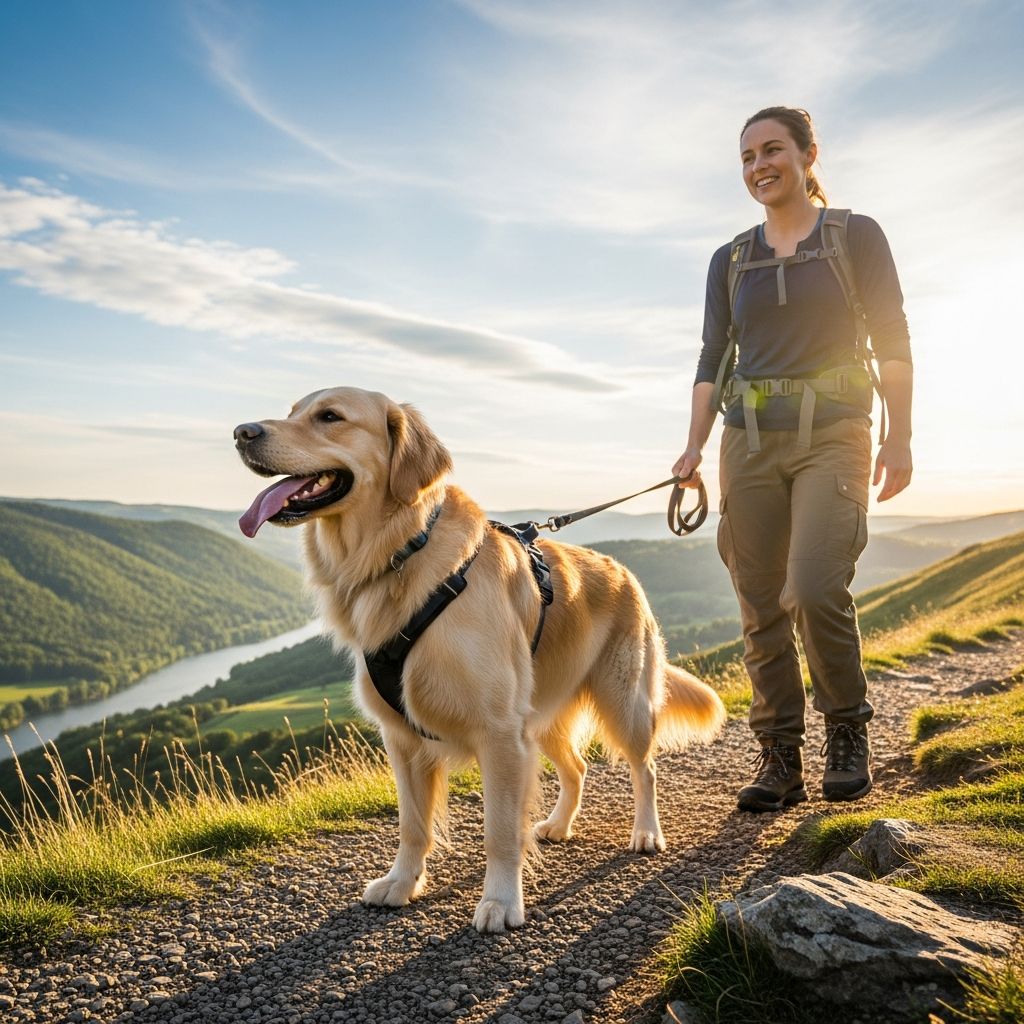
Taking your dog out for a day of adventure is one of the most rewarding experiences you can share together. Whether it’s a trip to the park, a visit to a dog-friendly café, or an exploration of new trails, outings provide essential mental stimulation, physical exercise, and social enrichment for your canine companion. However, successfully taking your dog out requires thoughtful planning, proper preparation, and an understanding of your dog’s individual needs and personality. This comprehensive guide will walk you through everything you need to know to make your dog’s day out safe, enjoyable, and memorable.
Why Regular Outings Matter for Your Dog
Dogs are naturally curious creatures with an innate need to explore their environment. Regular outings provide more than just physical exercise—they offer crucial mental stimulation that keeps your dog’s brain active and engaged. When dogs lack adequate mental engagement during the day, they may seek out entertainment in destructive ways, such as chewing shoes, overturning trash cans, or excessive barking. Additionally, outings help burn energy that, if left unused, can explode into behavioral problems the moment you leave your dog alone.
Beyond the physical and mental benefits, outings are essential for proper socialization. Exposure to different environments, people, and other animals helps your dog develop confidence and reduces anxiety in novel situations. This is particularly important during puppyhood but remains beneficial throughout your dog’s life.
Preparing Your Dog for Outings
Understanding Your Dog’s Personality
Before planning an outing, take time to understand your dog’s unique personality and temperament. Some dogs are naturally outgoing and adventurous, while others are more reserved or anxious. Your dog’s age, health status, training level, and previous experiences all play crucial roles in determining what types of outings are appropriate. A senior dog may not enjoy the same activities as a high-energy young pup, and a dog with anxiety may need different preparation than a confident, well-socialized companion.
Essential Pre-Outing Checklist
Before heading out, ensure your dog is ready for the adventure:
- Veterinary Health Check: Ensure your dog is up-to-date on vaccinations and has a clean bill of health from your veterinarian.
- ID and Microchipping: Your dog should wear a collar with an ID tag containing your contact information. Microchipping provides additional security in case your dog gets lost.
- Training Basics: Your dog should respond reliably to basic commands like sit, stay, come, and leave it.
- Exercise Before Departure: A quick potty break and some light exercise before leaving can help calm your dog and reduce anxiety during the outing.
- Proper Gear: Invest in a well-fitting collar, leash, and harness appropriate for your dog’s size and strength.
Managing Your Dog’s Behavior During Outings
Understanding Separation and Abandonment Anxiety
Dogs form deep emotional bonds with their owners, and when you leave without a clear explanation, it can feel like abandonment. Dogs don’t understand calendars or clocks—they only experience the ache of your absence. This is why some dogs act out when you prepare to leave or during outings away from home. Understanding that their behavior stems from love and anxiety, rather than spite, helps you respond with empathy and patience.
Reading Your Dog’s Body Language
Learning to interpret your dog’s body language is essential for identifying when they’re comfortable, anxious, or stressed during an outing. A wagging tail doesn’t necessarily indicate happiness—it simply means your dog is emotionally aroused, which could indicate excitement, frustration, or anxiety. When a dog rolls onto their back and exposes their belly, it may appear like a request for a belly rub, but in an anxious dog, this can actually be a sign of considerable stress and anxiety, with the dog even urinating slightly as a sign of appeasement.
Pay attention to other signals such as ear position, body tension, and facial expressions. A dog that’s feeling overwhelmed may show signs of distress including pacing, whining, or attempting to hide or withdraw from interactions.
Positive Reinforcement Training
Use positive reinforcement to reward good behavior during outings. When your dog responds appropriately to commands, maintains a calm demeanor around other dogs or people, or explores new environments confidently, immediately provide praise, treats, or their favorite toy. This builds positive associations with outings and encourages your dog to repeat the desired behavior in future adventures.
Creating a Calm Departure Routine
Minimizing Departure Cues
Dogs are remarkably perceptive and pick up on subtle cues that signal your imminent departure. Actions like grabbing your keys, putting on shoes, or spraying perfume can trigger anxiety in dogs prone to stress. Over time, these cues may cause your dog to react earlier and more dramatically, trying to change the outcome of your departure. To minimize anxiety, practice varying your pre-departure routine. Sometimes put on your shoes but stay home, or occasionally grab your keys without leaving. This helps desensitize your dog to these signals.
The Power of a Calm Exit
Dogs are deeply intuitive creatures that absorb the energy around them. If you leave in a rush, flustered or worried, your dog will sense that tension and it can amplify their own anxiety, making your exit feel like a crisis rather than a routine event. A calm, matter-of-fact goodbye gives your dog permission to feel secure, even in your absence. Keep departures low-key and avoid extended goodbyes, which can paradoxically increase anxiety. Simply say goodbye calmly and exit confidently.
Choosing Appropriate Outing Destinations
Dog-Friendly Locations
Select destinations that are safe, welcoming, and appropriate for your dog’s temperament and skill level. Options include:
- Dog Parks: Excellent for socialization and exercise, though choose times when crowds are smaller if your dog is anxious or reactive.
- Hiking Trails: Provide mental and physical stimulation in a natural setting. Ensure trails are dog-friendly and weather is appropriate.
- Pet-Friendly Cafés and Restaurants: Allow your dog to practice calm behavior around people while enjoying outdoor settings.
- Beach or Lakeside Areas: Offer sensory enrichment and water-based exercise for dogs that enjoy water.
- Quiet Neighborhoods: Perfect for newly adopted dogs or those with anxiety, allowing gradual exposure to the outside world.
Environmental Considerations
Consider weather conditions, temperature, and terrain when planning outings. Hot pavement can burn your dog’s paw pads, while extreme heat increases the risk of heatstroke. Similarly, extremely cold weather can be uncomfortable for most dogs. Always bring adequate water and take frequent breaks, especially on warm days.
Socialization and Exposure
Building Confidence Through Exposure
Regular, positive experiences with different environments, people, and other animals help build your dog’s confidence and resilience. Gradual exposure is key—introduce your dog to new situations slowly and allow them to progress at their own pace. A dog that feels threatened or rushed may develop fear or anxiety, making future outings more difficult.
Interaction with Other Dogs
If your outing involves interaction with other dogs, supervise closely and look for signs of stress or discomfort. Not all dogs enjoy dog parks or off-leash play, and forcing interaction can be counterproductive. Some dogs prefer calm one-on-one meetings or may only enjoy playing with familiar companions.
What to Bring on Your Dog’s Day Out
Proper preparation ensures you’re equipped for any situation that might arise during your outing:
- Water and Portable Bowl: Keep your dog hydrated, especially during exercise.
- Treats and Food: Bring high-value treats for training and a light snack if the outing is extended.
- Waste Bags: Always be prepared to clean up after your dog.
- First Aid Kit: Include bandages, antiseptic spray, and any medications your dog requires.
- Collar, Leash, and ID: Ensure proper identification and control.
- Toys or Enrichment Items: Bring items that provide mental stimulation if you’ll be at a location for an extended period.
- Dog-Specific Sunscreen: Protect your dog’s nose and ear tips in sunny conditions.
- Recent Photo: In case your dog gets lost, you’ll have an up-to-date image to share.
Addressing Specific Behavioral Challenges
Excessive Energy and “Zoomies”
Some dogs experience sudden bursts of energy, often called “zoomies,” which they express through pacing and running in circles. This behavior indicates your dog wants to have fun and wants you to join them. Rather than viewing this as misbehavior, recognize it as a sign that your dog needs more physical activity. Increase exercise before outings or engage in active play during the outing to channel this energy productively.
Anxiety and Withdrawn Behavior
If your dog appears distant or withdrawn during an outing, consider several potential causes. Dogs can have an escape-avoiding response to stressful situations like loud environments or places where they feel unsafe. Additionally, dogs are sensitive enough to pick up on our moods, and they may not want to engage with us when we’re feeling upset. Boredom can also lead dogs to act distant or be disinterested, as they’ve had to seek their fun elsewhere. Assessment and adjustment of the environment or activity may be necessary.
Destructive Behavior and Attention-Seeking
When dogs act out during or after outings, it’s not to spite you—it’s a form of communication. Behind every concerning behavior is a story of love, fear, confusion, or unmet needs. Ensure your dog receives adequate mental stimulation, physical exercise, clear boundaries, and emotional reassurance. With patience, consistency, and understanding, you can teach your dog that outings are positive experiences and that your departures and returns are normal parts of life.
Signs Your Dog Is Ready to Come Home
Watch for signals that your dog is becoming fatigued or overstimulated. These may include excessive panting, lagging behind while walking, or seeking shade or quiet areas. A dog that’s ready to go home may also display less interest in environmental exploration or social interaction. Respecting your dog’s limits ensures outings remain positive and prevents behavioral issues or physical exhaustion.
Frequently Asked Questions (FAQs)
Q: At what age can puppies start going on outings?
A: Puppies can begin gentle outings around 3-4 weeks after their final vaccination series. However, keep outings short and low-stress during the early stages, focusing on safe, controlled environments to build confidence.
Q: How often should I take my dog out?
A: Most dogs benefit from at least one outing per day, with high-energy dogs potentially requiring multiple outings. The frequency depends on your dog’s age, energy level, and individual temperament.
Q: Can senior dogs go on outings?
A: Yes, senior dogs can benefit from outings, though they may require shorter durations, slower paces, and more frequent breaks. Consult with your veterinarian about appropriate activities for an older dog.
Q: What should I do if my dog pulls excessively on the leash?
A: Use a no-pull harness and practice loose-leash walking training before outings. During walks, redirect your dog’s attention with treats or toys when pulling occurs, and reward calm walking behavior consistently.
Q: How do I help a dog with separation anxiety enjoy outings?
A: Start with very short outings in calm environments. Build confidence gradually through positive reinforcement. Consider consulting a professional dog trainer or veterinary behaviorist for severe cases.
Q: Are there certain breeds that shouldn’t be taken out in hot weather?
A: Brachycephalic breeds (short-snouted dogs like bulldogs and pugs) are particularly susceptible to heat-related illness and should avoid strenuous activity in warm weather. Other breeds with thick coats also prefer cooler conditions.
Building Lasting Memories Through Shared Adventures
Your dog’s day out is more than just exercise or training—it’s an opportunity to strengthen your bond and create lasting memories together. By understanding your dog’s needs, preparing thoroughly, and approaching outings with patience and positivity, you create experiences that enrich both your dog’s life and your relationship. Each adventure, whether it’s a simple neighborhood walk or an exciting park visit, contributes to your dog’s confidence, happiness, and overall well-being. Remember that every dog is unique, and what works for one may not work for another. Pay attention to your dog’s signals, adjust activities as needed, and celebrate the joy that comes from exploring the world together with your cherished companion.
References
- 11 Reasons Dogs Act Out When You Leave — iHeartDogs.com. 2024. https://iheartdogs.com/reasons-dogs-act-out-when-you-leave/
- Understanding Dog Body Language: Decipher Dogs’ Signs & Signals — American Kennel Club. 2024. https://www.akc.org/expert-advice/training/how-to-read-dog-body-language/
- 21 Common Dog Behaviors & Their Hidden Meanings — Dogsee. 2024. https://www.dogseechew.in/blog/21-common-dog-behaviors-their-hidden-meanings
- Why Is My Dog Suddenly Distant? — Zigzag Puppy Training App. 2024. https://zigzag.dog/en-us/blog/puppy-behavior/understanding-your-puppy/why-is-your-dog-suddenly-acting-distant/
- 10 Reasons Why Your Dog’s Behavior Changes — Noble Vet Clinic. 2024. https://noblevetclinic.com/blog/reasons-why-your-dogs-behavior-changes
Similar Articles








Read full bio of Sneha Tete