

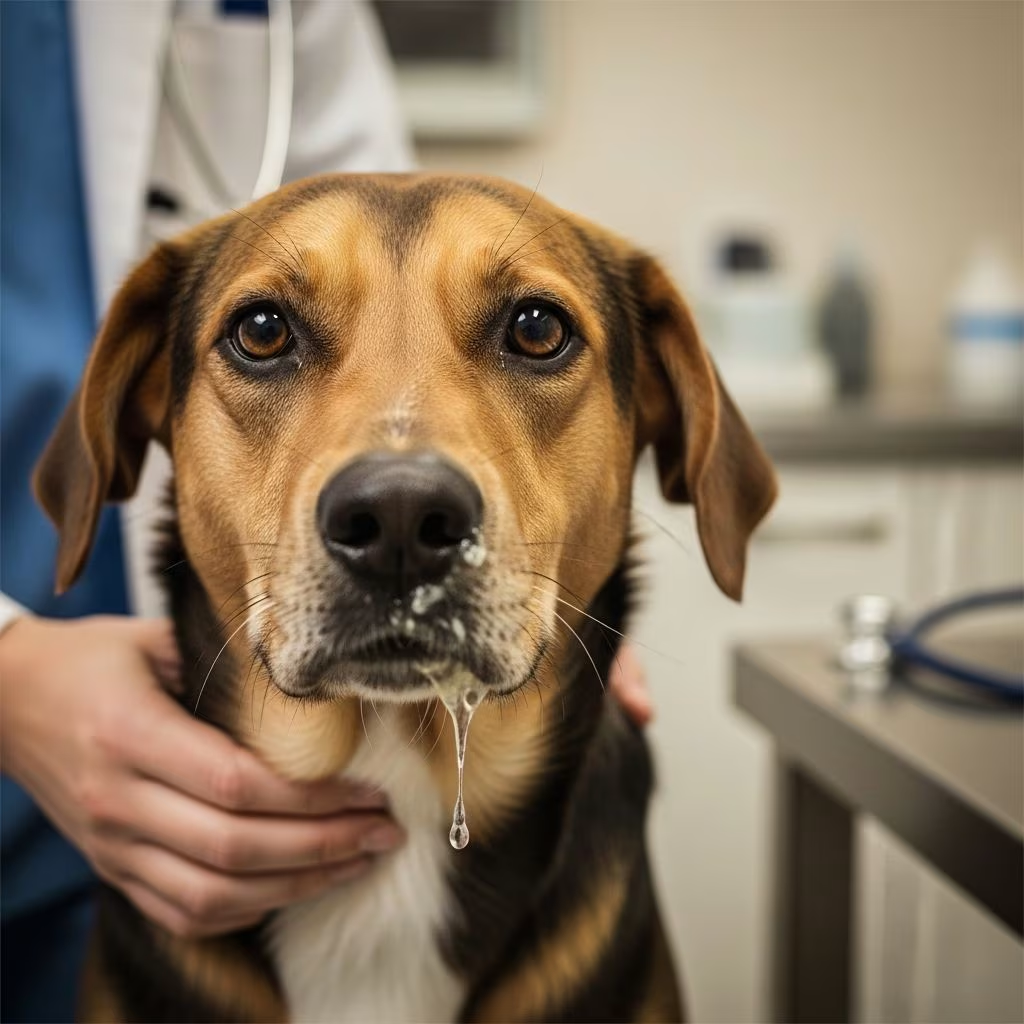
Dogs coughing up mucus often signals irritation or infection in their respiratory system, ranging from mild issues to serious health concerns that require immediate attention. Recognizing the type of cough and accompanying symptoms helps pet owners decide when professional care is needed.
Understanding the Canine Respiratory System
The trachea, or windpipe, connects a dog’s throat to its lungs, lined with cilia—tiny hair-like structures—and a protective mucus layer. This mucociliary escalator traps irritants like dust, bacteria, or viruses, propelling them upward to be expelled via coughing or swallowing. When functioning normally, occasional coughing clears these particles without issue. Persistent mucus production, however, indicates disruption, leading to gagging or hacking sounds followed by phlegm expulsion.
Types of Coughs in Dogs
Dogs exhibit distinct cough patterns that provide clues about underlying problems:
- Dry, hacking cough: Sounds like gagging or a stuck object in the throat, often from tracheal irritation without much mucus.
- Wet, phlegmy cough: Moist and productive, suggesting lower airway involvement like pneumonia or fluid buildup.
- Honking cough: Goose-like noise typical of collapsing trachea, common in small breeds.
Observing these patterns alongside mucus color—clear, white foam, yellow, or bloody—offers vital diagnostic hints.
Primary Causes of Mucus Coughing
Infectious Diseases: Kennel Cough and Beyond
Kennel cough, or infectious tracheobronchitis, tops the list of reasons dogs cough up mucus. Caused by bacteria like Bordetella bronchiseptica or viruses such as parainfluenza, it paralyzes cilia, causing mucus buildup and a persistent hack. Symptoms include sneezing, nasal discharge, and mild fever; most healthy dogs recover in 1-3 weeks, but puppies or seniors risk pneumonia.
Other infections like canine flu or fungal issues can mimic these signs, inflaming airways from nose to lungs.
Chronic Respiratory Conditions
Chronic bronchitis involves ongoing airway inflammation, producing excess mucus and a worsening dry cough, especially during exercise. Airborne irritants like smoke exacerbate it, narrowing passages over time. Collapsing trachea, prevalent in toy breeds, weakens cartilage rings, leading to irritation and mucus expulsion during inhalation.
Heart-Related Problems
Heart disease, including congestive heart failure and mitral valve issues, causes fluid leakage into lungs, resulting in wet coughs with white or pink-tinged mucus. Look for lethargy, reduced appetite, and blue gums as red flags.
Parasitic and Allergic Triggers
Heartworm disease, spread by mosquitoes, sees larvae maturing in lungs, provoking coughs and inflammation. Lungworms, ingested from infected prey, follow a similar path. Allergies to pollen, dust, or mold irritate airways, causing coughing and wheezing without infection.
Rarer but Serious Issues
Tumors in the larynx or trachea obstruct airflow, leading to mucus buildup and breathing difficulties. Aspiration pneumonia from inhaling vomit or food infects lungs, producing phlegmy coughs and low oxygen. Foreign objects or esophageal blockages can press on the trachea, mimicking infection symptoms.
Table: Common Causes and Key Symptoms
| Cause | Cough Type | Other Symptoms | Breeds at Risk |
|---|---|---|---|
| Kennel Cough | Dry hacking, phlegm | Sneezing, runny nose | All, esp. boarded dogs |
| Chronic Bronchitis | Dry, worsens w/ exercise | Lethargy, intolerance | Older dogs |
| Collapsing Trachea | Honking | Gagging, breathing distress | Small breeds (e.g., Yorkies) |
| Heart Disease | Wet, foamy | Weakness, blue tongue | Middle-aged+ Cavaliers |
| Heartworms | Persistent cough | Weight loss, fatigue | Unprotected outdoor dogs |
When to Contact a Veterinarian
Not every cough warrants a trip to the vet, but persistent episodes—every few minutes—or worsening over days demand evaluation. Seek immediate care if your dog shows difficulty breathing, blue mucous membranes, collapse, fever above 103°F, or bloody mucus. Puppies, seniors, or those with pre-existing conditions face higher risks.
Diagnostic Approaches
Vets start with a physical exam, listening to lungs and heart. Diagnostics may include:
- X-rays to visualize trachea, lungs, and heart size.
- Blood tests for infections, heartworms, or inflammation markers.
- Endoscopy to inspect airways for masses or collapse.
- Fecal or sputum analysis for parasites.
These pinpoint the cause, guiding targeted therapy.
Treatment Strategies
Treatments vary by diagnosis:
- Infections: Antibiotics for bacterial components, cough suppressants, and rest. Vaccines prevent kennel cough.
- Chronic issues: Bronchodilators, steroids to reduce inflammation, and humidifiers.
- Heart conditions: Diuretics, ACE inhibitors, and low-sodium diets.
- Parasites: Dewormers like ivermectin.
Supportive care—hydration, harnesses over collars, and smoke-free environments—aids recovery.
Prevention Tips for Respiratory Health
Proactive steps minimize risks:
- Vaccinate against bordetella, especially for social dogs.
- Use monthly heartworm preventives.
- Avoid irritants like smoke and strong cleaners.
- Maintain ideal weight to ease breathing.
- Monitor during boarding or dog parks.
Home Remedies and Monitoring
While awaiting vet care, ensure rest in a humid environment (e.g., steamy bathroom) to loosen mucus. Honey (1/2 tsp for small dogs) soothes throats but avoid in puppies under 1 year. Track cough frequency, mucus appearance, energy, and appetite in a journal for the vet.
Frequently Asked Questions (FAQs)
Is mucus coughing always serious in dogs?
No, occasional coughing clears irritants, but frequent or symptomatic cases need vet assessment.
Can kennel cough lead to pneumonia?
Yes, if untreated, especially in vulnerable dogs.
How long does kennel cough last?
Typically 1-3 weeks, with cough lingering up to 6 weeks.
Does breed affect coughing risks?
Yes, small breeds prone to tracheal collapse; older dogs to bronchitis.
Can allergies cause phlegmy coughs?
Yes, they irritate airways, producing mucus.
Long-Term Management for Chronic Coughers
For dogs with ongoing issues like bronchitis or heart disease, regular vet check-ups, tailored medications, and lifestyle adjustments are crucial. Weight management reduces tracheal strain, while air purifiers combat allergens. Owners should learn to recognize flare-ups early.
Early intervention transforms potential crises into manageable conditions, ensuring dogs enjoy active lives. Stay vigilant with annual wellness exams to catch subtle changes.
References
- Why Is My Dog Coughing Up White Foam? — Whole Dog Journal. 2023-05-15. https://www.whole-dog-journal.com/health/why-is-my-dog-coughing-up-phlegm/
- Common Causes of Coughing in Dogs — Trudell Animal Health. 2024-08-20. https://trudellanimalhealth.com/blogs/blog/common-causes-of-coughing-in-dogs
- Why Is My Dog Coughing? Signs, Causes, and Treatment — PetMD. 2025-01-10. https://www.petmd.com/dog/symptoms/why-is-my-dog-coughing
- Why Is My Dog Coughing? — GoodRx. 2024-11-05. https://www.goodrx.com/pet-health/dog/dog-coughing
- Six Things to Know About Kennel Cough in Dogs — MedVet. 2024-09-12. https://www.medvet.com/six-things-to-know-about-kennel-cough-and-your-pet/



