

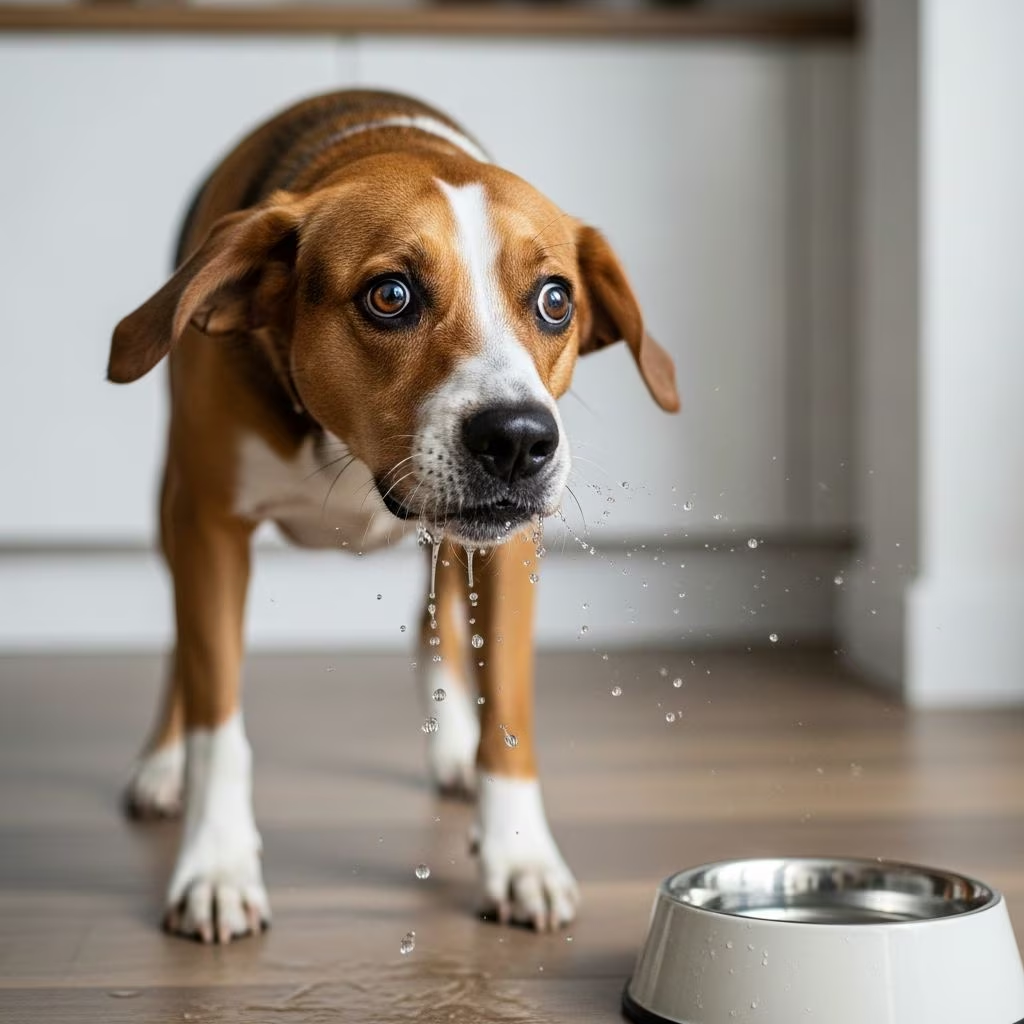
Observing your dog cough right after taking a drink can be alarming for any pet owner. This behavior often stems from water entering the airway instead of the digestive tract, prompting a protective cough reflex to clear it out. While many instances resolve quickly without harm, repeated or intense episodes might point to underlying health concerns ranging from minor irritations to structural abnormalities in the respiratory system. Understanding these triggers helps pet guardians respond appropriately, ensuring their dog’s comfort and well-being.
Everyday Reasons for Post-Drinking Coughs
The most frequent culprit is simply how dogs drink. Many animals, especially energetic or thirsty ones, gulp water rapidly. This hurried intake increases the chance of liquid splashing into the trachea rather than sliding smoothly down the esophagus. The body’s immediate response is a cough to expel the intruder, safeguarding the lungs from potential fluid buildup.
- Rapid Gulping: Common in hot weather, after exercise, or when water has been unavailable for a while. Puppies and young dogs are particularly prone due to less coordinated swallowing.
- Excitement-Induced Regurgitation: Overly enthusiastic pets might regurgitate fluid back up, irritating the throat and triggering coughs as they clear their passages.
These benign occurrences typically last seconds and lack additional symptoms. Slowing down drink times with specialized bowls or smaller portions often prevents recurrence.
Structural Airway Challenges in Dogs
Beyond hasty drinking, anatomical flaws in the windpipe can provoke coughing whenever liquid contacts sensitive areas. Small breeds frequently face these issues due to their compact builds.
Narrow or Underdeveloped Trachea
Known as hypoplastic trachea, this congenital defect features cartilage rings that fail to expand fully, creating a pinched airway. Brachycephalic breeds like Pugs, Bulldogs, and Boston Terriers suffer most, as their short snouts compound swallowing difficulties. Water flow disrupts the already tight passage, causing coughs or choking sensations, especially in puppies where growth hasn’t compensated yet.
Weakening Trachea Cartilage
Tracheal collapse involves the windpipe’s supportive rings flattening under pressure, often from age, obesity, or chronic inflammation. Toy breeds such as Yorkshire Terriers, Pomeranians, and Chihuahuas show a classic ‘honking’ cough during drinking, excitement, or collar pulls. X-rays confirm diagnosis, and management includes weight control, harnesses over collars, and medications to reduce airway swelling.
| Condition | Affected Breeds | Key Symptoms | Diagnostic Tool |
|---|---|---|---|
| Hypoplastic Trachea | Pugs, Bulldogs | Coughing, choking on liquids | X-ray, endoscopy |
| Collapsed Trachea | Yorkies, Pomeranians | Honking cough, exercise intolerance | X-ray, fluoroscopy |
Irritants and Environmental Triggers
External factors can sensitize the throat, making even normal sips provoke coughing. Allergens like pollen, dust, or household cleaners linger in bowls or air, inflaming upper airways. Smoke, strong scents, or recent barking sessions heighten reactivity, so water acts as the final straw.
- Clean water stations regularly to remove debris.
- Use filtered water in allergen-heavy areas.
- Monitor for seasonal spikes in pollen affecting sensitive dogs.
Throat paralysis, where laryngeal muscles don’t open or close properly, allows water misdirection into lungs, mimicking irritation but requiring surgical evaluation in severe cases.
Infectious and Respiratory Conditions
Several illnesses inflame airways, amplifying coughs post-hydration. Kennel cough, a contagious Bordetella-driven infection, scratches the trachea, worsening with swallows. Dogs from boarding, parks, or grooming may carry it home, showing dry hacks alongside sneezing or nasal drip.
Broader respiratory woes like bronchitis or pneumonia involve bacterial or viral assaults, yielding wet coughs, fever, and fatigue. Aspiration pneumonia specifically arises from repeated inhalation incidents, flooding lung tissue and demanding urgent antibiotics.
Heart-Related Fluid Buildup
Congestive heart failure leads to pulmonary edema, where lung fluid provokes chronic coughing, intensified by drinking. Lethargy, rapid breathing, and blue gums signal this emergency.
Recognizing When Coughs Demand Veterinary Care
Isolated coughs fade fast, but vigilance spots trouble. Seek help if:
- Coughs persist beyond a minute or recur daily.
- Accompanied by gagging, vomiting, breathing struggles, or appetite loss.
- Honking sounds or blue tongue appear.
- Recent exposure to other dogs or illness.
Vets employ exams, radiographs, bloodwork, or scopes to pinpoint causes, prescribing suppressants, bronchodilators, or surgery as needed.
Practical Prevention Strategies
Proactive steps minimize risks across causes.
- Slow Drinking Aids: Puzzle bowls or elevated stations curb gulping.
- Hydration Management: Frequent small offerings over one large bowl.
- Equipment Choices: Harnesses prevent neck strain; stainless bowls resist bacteria.
- Environment Tweaks: Dust-free zones, air purifiers for allergens.
- Health Monitoring: Annual checkups catch breed predispositions early.
For tracheal cases, cough-reducing meds and anti-inflammatories offer relief, while weight loss dramatically improves outcomes.
Frequently Asked Questions
Is coughing after water always serious?
No, often it’s just aspiration from fast drinking, but patterns with other signs warrant a vet visit.
How to stop gulping behavior?
Employ slow-feed bowls, ice cubes in water, or hand-feed sips during training.
Can diet influence coughing?
Yes, obesity strains airways; high-quality, low-fat food aids tracheal health.
Does age factor in?
Puppies risk hypoplasia, seniors face collapse or heart issues.
Is home treatment safe?
Steam from showers eases mild irritation, but never delay professional diagnosis.
Long-Term Outlook and Care Tips
Most dogs thrive with tailored interventions. Track episodes in a journal noting triggers, duration, and symptoms for vet discussions. Vaccinations against kennel cough and routine dental care prevent secondary irritations. Hydration remains vital—dehydration worsens coughs—so balance access with control.
By addressing root causes promptly, owners foster smoother drinking experiences, enhancing their companion’s vitality. Persistent vigilance turns potential crises into manageable routines.
References
- Why Dogs Cough After Drinking Water — Bow Wow Labs. 2023. https://www.bowwowlabs.com/blogs/news/why-dogs-cough-after-drinking-water
- Dog Coughs After Drinking Water: Causes and Solutions — Uahpet. 2024. https://www.uahpet.com/blogs/post/dog-coughs-after-drinking-water-causes-and-solutions
- Does Your Dog Cough After Drinking Water? Here Is Why — iClean Dog Wash. 2023. https://icleandogwash.com/en/news/does-your-dog-cough-after-drinking-water-here-is-why
- Dog Coughs After Drinking Water — Whole Dog Journal. 2024. https://www.whole-dog-journal.com/health/dog-coughs-after-drinking-water/
- Why Is My Dog Coughing? Signs, Causes, and Treatment — PetMD. 2025-01-15. https://www.petmd.com/dog/symptoms/why-is-my-dog-coughing



