

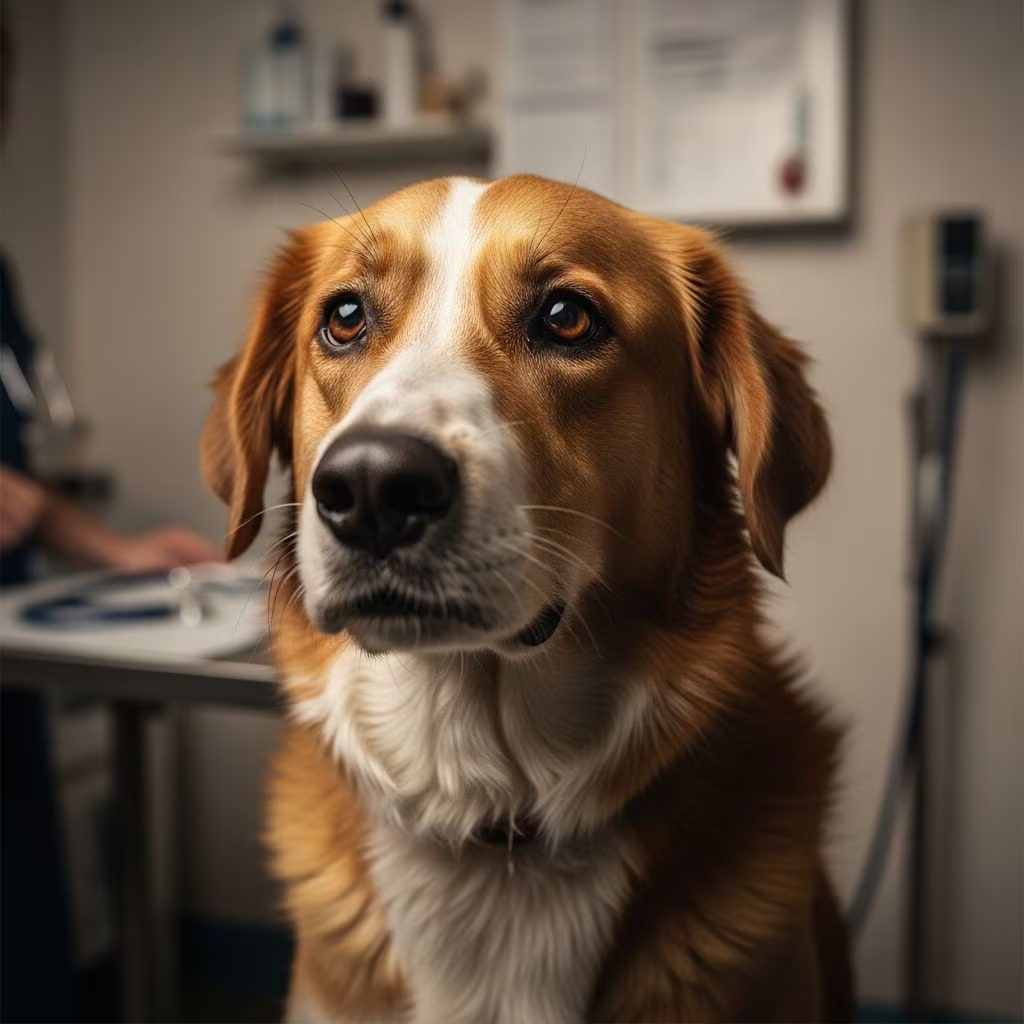
A cough in dogs is often dismissed as a minor issue, but it can indicate underlying serious conditions requiring prompt veterinary attention. Understanding the potential causes, from infectious diseases to chronic respiratory problems, helps pet owners respond effectively to protect their dog’s health.
Why Do Dogs Cough?
Dogs cough for various reasons, ranging from benign irritants to life-threatening illnesses. Coughing serves as the body’s mechanism to clear airways of mucus, foreign objects, or irritants, but persistent or unusual coughs warrant investigation. Common triggers include environmental allergens, infections, anatomical issues, and cardiac problems.
Common Causes of Coughing in Dogs
- Kennel Cough (Infectious Tracheobronchitis): This highly contagious upper respiratory infection, often caused by Bordetella bronchiseptica or canine parainfluenza virus (CPIV), produces a dry, hacking cough sounding like a goose honk. Other pathogens like canine distemper virus, adenovirus type 2, influenza, pneumovirus, respiratory coronavirus, herpesvirus, reovirus, mycoplasma, and Streptococcus equi subspecies zooepidemicus can contribute.
- Tracheal Collapse: Common in small breeds like Yorkshire Terriers, Pomeranians, and Chihuahuas, this occurs when the tracheal rings weaken, causing the windpipe to flatten. Coughing worsens with excitement, exercise, or pulling on a collar.
- Heart Disease: Conditions like congestive heart failure, dilated cardiomyopathy, or mitral valve disease lead to fluid buildup in the lungs (pulmonary edema), resulting in a soft, moist cough, often worse at night.
- Lung Problems and Pneumonia: Bacterial, viral, fungal, parasitic infections, or toxin exposure cause pneumonia, leading to productive coughs with mucus or blood.
- Chronic Bronchitis: Inflammation of the bronchi and bronchioles produces a dry, hacking cough that worsens with exercise or excitement. Airborne irritants like smoke exacerbate it; it’s progressive and incurable but manageable.
- Heartworm Disease: Parasitic worms in the heart and lungs cause coughing, exercise intolerance, and weight loss.
- Other Causes: Allergies, foreign objects, laryngitis, distemper, canine influenza, obesity, or irritants like dust and smoke.
Symptoms to Watch For
Monitor your dog’s cough alongside other signs to gauge severity. A mild, occasional dry cough might resolve alone, but combinations signal urgency.
- Mild Kennel Cough: Dry hacking, no fever, good appetite.
- Severe Signs: Persistent cough, lethargy, fever, breathing difficulty, blue gums, collapse.
- Heart Disease Indicators: Exercise intolerance, weak pulse, syncope (fainting), swollen belly, pale gums, dark urine.
- Pneumonia: Labored breathing, abnormal lung sounds, reduced appetite, weight loss.
- Tracheal Collapse: Honking cough triggered by pressure on neck.
When to See a Vet
Consult a veterinarian immediately if coughing lasts over a few days, worsens, or accompanies fever, lethargy, breathing issues, appetite loss, or behavioral changes. Puppies, seniors, and dogs with pre-existing conditions are at higher risk. Diagnostic tools include X-rays, blood tests, echocardiograms, and cultures.
Treatment Options
Treatments vary by cause; never self-medicate, as improper use can worsen conditions.
- Kennel Cough: Often self-resolves in 1-3 weeks. Antibiotics (e.g., doxycycline) for bacterial components; cough suppressants, nebulization, rest. Supportive care: humidifier, harness over collar.
- Tracheal Collapse: Cough suppressants, anti-inflammatories, weight management. Inhaled bronchodilators (albuterol, salbutamol) and steroids (fluticasone) via AeroDawg chamber. Surgery for severe cases.
- Heart Disease: Diuretics, ACE inhibitors, low-sodium diet, pimobendan for cardiomyopathy.
- Pneumonia: Antibiotics, oxygen therapy, nebulization, coupage (chest physiotherapy), fluids.
- Chronic Bronchitis: Inhaled corticosteroids (fluticasone), bronchodilators for inflammation control. Minimize irritants, maintain healthy weight.
- Heartworm: Prevention primary; treatment involves melarsomine injections, doxycycline, steroids if infected.
Prevention Strategies
Proactive measures reduce cough risks:
- Vaccinate against kennel cough (Bordetella, parainfluenza), distemper, adenovirus.
- Use heartworm preventives year-round.
- Switch to harnesses for small breeds.
- Maintain ideal weight, avoid smoke/pollutants.
- Limit exposure in boarding/daycare during outbreaks.
Home Care Tips While Awaiting Vet Visit
Provide comfort:
- Ensure rest in a stress-free, humid environment.
- Offer warm, moist food to soothe throat.
- Use a harness; avoid collars.
- Monitor symptoms closely.
Breeds Prone to Coughing Issues
| Condition | Prone Breeds |
|---|---|
| Tracheal Collapse | Yorkshire Terrier, Pomeranian, Chihuahua, Toy Poodle |
| Heart Disease | Cavalier King Charles Spaniel, Boxer, Doberman |
| Chronic Bronchitis | Small breeds generally |
Frequently Asked Questions (FAQs)
Q: How long does kennel cough last in dogs?
A: Typically 1-3 weeks, but severe cases may linger longer with treatment.
Q: Is a dog’s cough with gagging serious?
A: Yes, it often indicates tracheal irritation, collapse, or infection—see a vet promptly.
Q: Can heart disease cause coughing in dogs?
A: Absolutely; fluid in lungs from heart failure produces a moist cough.
Q: What home remedies help a coughing dog?
A: Humidify air, use harness, offer soft food—but consult vet first.
Q: Is kennel cough vaccine always effective?
A: It reduces severity but doesn’t cover all pathogens; boosters recommended.
This comprehensive guide emphasizes that while some coughs are transient, many signal serious issues. Early intervention via veterinary care improves outcomes significantly. Word count: 1678 (excluding HTML tags).
References
- Why Does My Dog Keep Coughing? — City Line Veterinary Center. 2023. https://citylinevet.com/veterinary-blog/dog-coughing-moline-il/
- Kennel Cough in Dogs: Symptoms, Treatments, Vaccine — Best Friends Animal Society. 2024-10-15. https://bestfriends.org/pet-care-resources/kennel-cough-dogs-symptoms-treatments-vaccine
- Why is My Dog Coughing? 10 Reasons Why — Veteris. 2024. https://veteris.co.uk/petcare-advice/why-is-my-dog-coughing-and-what-can-i-do-about-it
- Common Causes of Coughing in Dogs — Trudell Animal Health. 2024-08-20. https://trudellanimalhealth.com/blogs/blog/common-causes-of-coughing-in-dogs
- What Dog Owners Should Expect When it Comes to Kennel Cough Treatment — Pierz Vet Clinic. 2023. https://www.pierzvetclinic.com/services/blog/what-dog-owners-should-expect-when-it-comes-kennel-cough-treatment



