

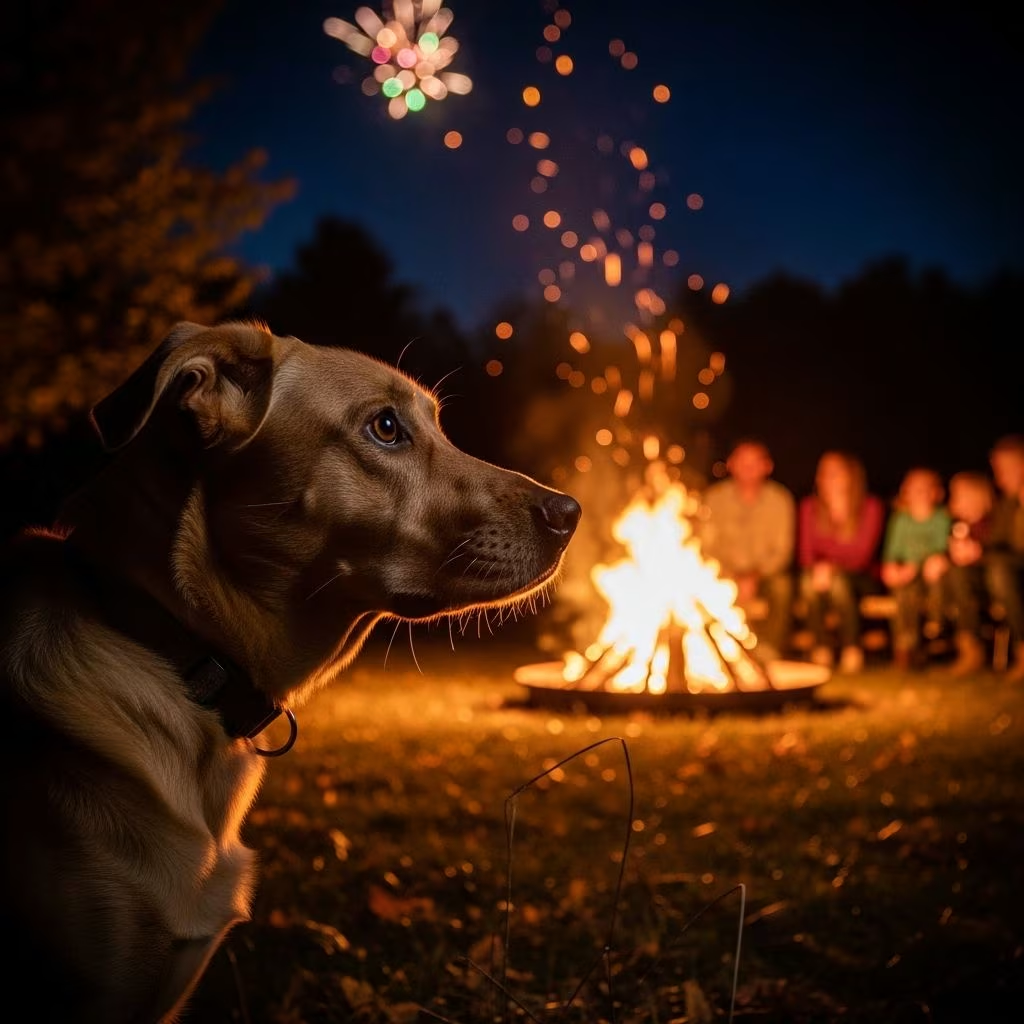
Bonfire Night, celebrated annually on 5 November in the UK, brings spectacular fireworks displays that thrill humans but often terrify dogs. The unpredictable loud bangs, flashing lights, and acrid smoke can trigger intense fear responses in pets, leading to anxiety, escape attempts, and potential injuries. With firework season extending from Halloween through Diwali, Bonfire Night, and New Year’s Eve, preparation is crucial for your dog’s wellbeing. This guide draws on veterinary expertise to help you keep your dog calm and safe.
Why Are Dogs Scared of Fireworks?
Dogs possess far superior hearing compared to humans, detecting sounds up to four times the distance and registering frequencies up to 65,000 Hz—well beyond our 20,000 Hz limit. Fireworks produce sudden, explosive noises exceeding 150 decibels, interpreted by dogs as threats akin to thunder or predators. This evolutionary survival instinct triggers the fight-or-flight response, causing panic even in previously confident dogs.
Unpredictability amplifies the terror: unlike familiar household sounds, fireworks boom irregularly without warning. Visual stimuli—strobing lights and shadows—compound the auditory assault, disorienting dogs. Breeds with sensitive temperaments, such as herding or sight hounds, or those with past trauma, are particularly vulnerable. Puppies experiencing their first Bonfire Night may develop lifelong phobias without intervention.
How Fireworks Affect Dogs Physically and Mentally
The stress from fireworks elevates cortisol levels, suppressing immune function and exacerbating conditions like arthritis or gastrointestinal issues. Acute anxiety manifests as trembling, pacing, drooling, whining, hiding, or destructive behaviour. In severe cases, dogs may injure themselves attempting to escape—chewing doors, breaking windows, or scaling fences.
- Trembling and shaking: Physiological response to adrenaline surge.
- Panting and drooling: Signs of distress and inability to self-soothe.
- Loss of appetite or toileting indoors: Stress disrupts normal bodily functions.
- Clinginess or withdrawal: Seeking comfort or isolation.
Long-term, repeated exposure without management can lead to generalised anxiety disorders, making dogs fearful of everyday noises. Veterinary data from the PDSA indicates a spike in lost pets during firework season, with thousands reported missing annually.
Are Fireworks Dangerous to Dogs?
Beyond psychological trauma, fireworks pose direct physical hazards. Unsupervised dogs risk burns from stray embers, sparks, or lit devices. Ingestion of spent fireworks—attractive due to their meaty odour—can cause chemical burns in the mouth, gastrointestinal blockages, or heavy metal poisoning from components like barium nitrate.
Smoke inhalation irritates respiratory tracts, particularly in brachycephalic breeds like Bulldogs. Post-display debris litters gardens, prompting exploratory sniffing or chewing. Dr. Gabrielle Fadl, DVM, warns: “The same precautions for children apply to pets—keep them distant from sparks, flames, and residues”.
Preparing Your Dog for Bonfire Night: Start Early
Proactive preparation mitigates fear. Begin desensitisation training weeks in advance using fireworks soundtracks from apps like ‘Sounds Soothing’ or YouTube playlists. Pair low-volume recordings (starting at 10-20% ) with positive reinforcers: treats, play, or meals. Gradually increase volume over sessions, monitoring for stress signals. Consult a certified behaviourist if progress stalls.
Update microchip details and ensure ID tags bear current phone numbers. Secure perimeters: mend fence gaps, lock gates, and block under-door escapes with towels. Exercise your dog thoroughly during daylight—long walks or fetch sessions tire them out, promoting rest during displays.
Creating a Safe Space for Your Dog
Designate a “den” in a quiet, windowless room like a bathroom, cupboard, or basement. Line it with familiar bedding, blankets for burrowing, and your worn clothing for scent comfort. Add crate covers if your dog crate-trains positively. Muffle sounds with heavy curtains, rugs, or white noise machines playing soft rock, reggae, or classical music—genres proven calming in canine studies.
Stock the space with long-lasting chews, puzzle toys, and frozen Kongs to distract and reward calm behaviour. Dim lights and close blinds to obscure flashes. Multiple options allow choice: some dogs prefer open pacing areas, others enclosed hideouts.
Tips for Keeping Your Dog Calm During Fireworks
Remain composed—dogs mirror owner anxiety via pheromones and body language. Use long, slow strokes if sought for comfort; avoid excited fussing. Drown noise with TV, radio, or fans on high. Pre-empt toilet needs with an evening walk before dusk.
| Strategy | How It Helps | Implementation Tips |
|---|---|---|
| Calming Aids | Reduces physiological stress | Adaptil diffuser (pheromone mimic), Zylkene supplements (consult vet), CBD oils (vet-approved only) |
| Distraction Games | Redirects focus | Hide treats around room, short training sessions (sit/stay), snuffle mats |
| Sound Masking | Lowers perceived volume | Playlist at moderate volume, avoid sudden changes |
| Physical Comfort | Promotes security | Weighted blankets, thunder shirts, gentle massage |
ThunderShirts apply gentle pressure, mimicking swaddling, with 80% efficacy in trials. Pheromone products like Adaptil replicate maternal calming signals.
What Not to Do During Bonfire Night
- Don’t walk after dark: Fireworks prompt bolting into traffic.
- Don’t leave alone: Isolation heightens panic, risking injury.
- Don’t punish or force interaction: Reinforces fear; let hiding dogs retreat.
- Don’t use harsh corrections: Increases stress hormones.
- Don’t offer sympathy excessively if unwanted: Balance with positive reinforcement.
Comfort-seeking dogs benefit from attention, but never “reinforce fear”—modern behaviour science debunks this myth.
Advanced Calming Products and Vet Interventions
For severe cases, vets prescribe short-term anxiolytics like Acepromazine or Sileo (dexmedetomidine gel). Natural alternatives include chamomile teas or L-theanine chews. Always trial pre-event to check tolerance. Post-Bonfire Night, monitor for lingering stress and seek professional help if phobias persist.
Frequently Asked Questions
Should I comfort my dog during fireworks?
Yes, if they seek it. Pet calmly with strokes; it doesn’t worsen fear. Respect hiding preferences.
Can I medicate my dog for Bonfire Night?
Consult your vet for safe options like Sileo. Avoid human meds.
What if my dog escapes?
Search immediately with leads/friends. Post on local lost pet groups; microchip aids reunion.
Is desensitisation effective?
Yes, when started early with professional guidance. Success rates exceed 70%.
How to clean up fireworks safely?
Wear gloves, dispose in sealed bags. Keep dogs away until cleared.
Long-Term Management Beyond Bonfire Night
Firework season spans months—extend preparations accordingly. Annual vet behaviour checks prevent escalation. Positive outcomes build resilience, turning fearful nights into manageable events.
References
- Why Are Dogs Scared of Fireworks? — Kinship (reviewed by Dr. Gabrielle Fadl, DVM). 2023. https://www.kinship.com/dog-health/why-are-dogs-scared-of-fireworks
- How to Keep Your Dog Calm During Firework Season — Kinship UK. 2023. https://www.kinship.com/uk/dog-behaviour/prepare-your-dog-for-firework-season-tips
- Pet Theft and Welfare Report — PDSA (People’s Dispensary for Sick Animals). 2024-10-01. https://www.pdsa.org.uk/what-we-do/reports/pet-theft-and-welfare-report
- Fireworks and Pets: Noise Phobia Guidelines — RSPCA. 2025-09-15. https://www.rspca.org.uk/adviceandwelfare/seasonal/fireworks
- Canine Noise Sensitivity: Evidence-Based Interventions — Journal of Veterinary Behavior (peer-reviewed). 2024-03-12. https://doi.org/10.1016/j.jveb.2024.02.003



