

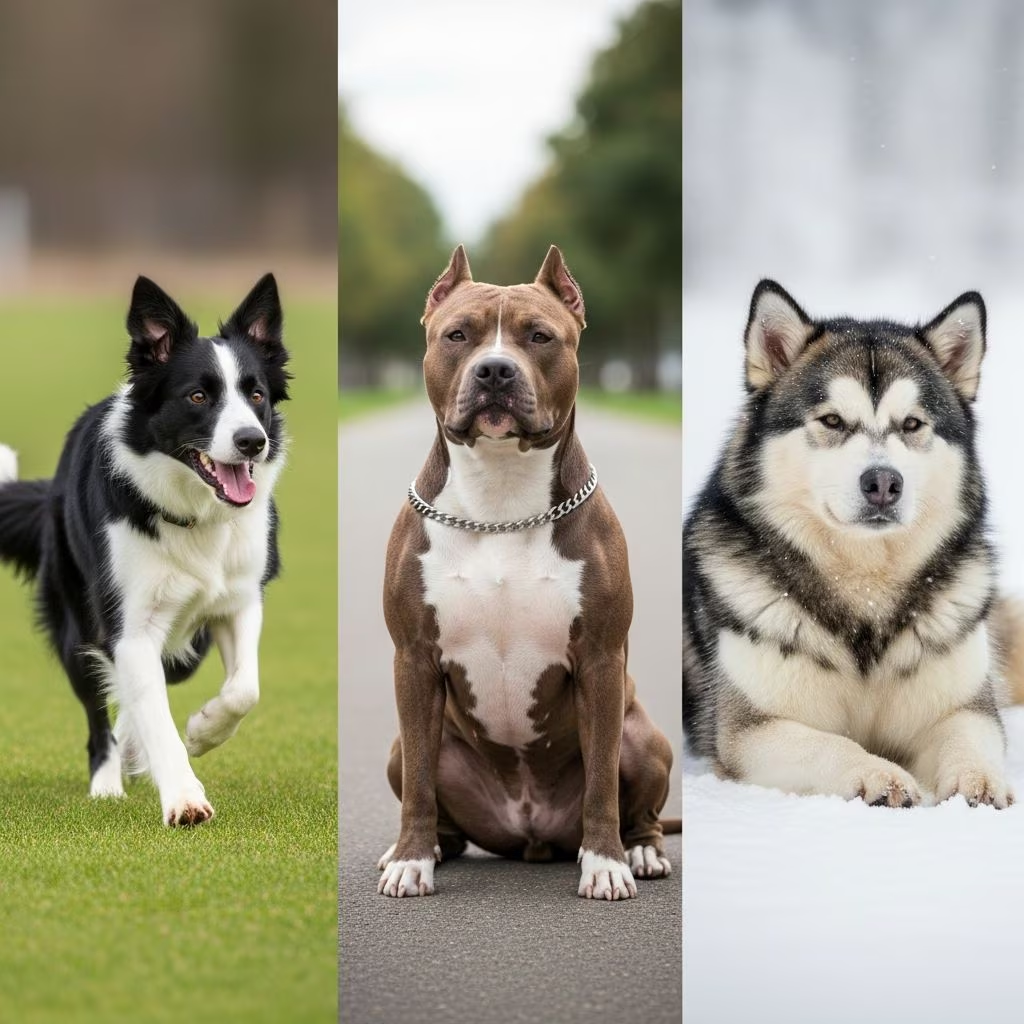
Understanding High-Protein Dog Food and Its Benefits
Protein is one of the most essential nutrients in a dog’s diet, playing a crucial role in building and maintaining muscle mass, supporting immune function, and promoting healthy skin and coat. While all dogs require protein to thrive, certain dogs benefit significantly from high-protein diets tailored to their specific life stage, activity level, or health condition. Understanding which dogs would benefit most from high-protein dog food can help pet owners make informed nutritional decisions that support their canine companions’ overall health and wellness.
High-protein dog foods typically contain 25% or more protein on a dry matter basis, with some specialized formulas exceeding 30-38% protein content. These elevated protein levels serve specific purposes depending on the dog’s individual needs. Rather than being a one-size-fits-all solution, high-protein diets are strategically designed to address the unique nutritional requirements of different dogs at various life stages and activity levels.
Type 1: Highly Active Dogs and Canine Athletes
One of the most significant categories of dogs that benefit from high-protein dog food is highly active dogs, including working dogs, canine athletes, and everyday trailblazers. These dogs experience unique physical demands that require specialized nutritional support to perform optimally and maintain their health.
Why Active Dogs Need More Protein
When dogs exercise regularly, their muscles build and break down muscle protein at a much faster rate than sedentary dogs. This accelerated muscle turnover requires additional protein to support recovery and maintain lean muscle mass. High-protein dog food can help “build the necessary muscles and repair them after an intense workout,” according to veterinary experts. The amino acids found in protein promote muscle growth and recovery, making them essential for dogs that engage in regular physical activity.
Active dogs also benefit from the sustained energy that protein provides. Protein serves as a much better and longer-lasting source of energy than carbohydrates, allowing active and working dogs to maintain their high energy levels more steadily throughout the day without the blood sugar spikes and crashes caused by carbohydrate-rich foods. This steady energy supply is particularly important for working dog breeds like Siberian Huskies, herding dogs, and other canine athletes that spend most of their time pulling sleds or herding farm animals.
Specific Dog Breeds and Roles
Several dog breeds and roles particularly benefit from high-protein diets due to their demanding work schedules. Working dogs such as sled dogs and herding dogs require higher protein levels to keep up with their tasks and protect their muscles from excessive wear and tear. Search and rescue dogs, police dogs, and other service animals similarly benefit from high-protein nutrition to support their physical demands and recovery needs.
For highly active dogs, veterinarians recommend diets that provide 30% protein and appropriate fat content to fuel metabolic needs and maintain healthy lean muscle. Premium formulas specifically designed for active dogs often include additional nutrients like EPA, an omega-3 fatty acid, and glucosamine to help support healthy joints and mobility, addressing the wear and tear that comes with intense physical activity.
Energy Levels and Stamina Enhancement
High-protein diets contribute to increased energy levels and improved stamina in active dogs. The sustained energy provided by protein helps active dogs maintain their performance throughout training sessions, competitions, or workdays. This enhanced stamina is particularly valuable for dogs competing in agility competitions, dock diving, flyball, or other canine sports where endurance and explosive power are critical.
Type 2: Puppies and Growing Dogs
Puppies represent another crucial category of dogs that benefit significantly from high-protein dog food. During the puppy stage, dogs undergo rapid physical development and growth, with their bodies building and strengthening at an accelerated rate compared to adult dogs.
Supporting Growth and Development
Protein is the fundamental building block of muscle and tissue development in puppies. During the first year of life, puppies require adequate protein to support their rapid growth, bone development, and the formation of strong muscle structures. High-protein diets provide the amino acids necessary for this developmental stage, ensuring puppies grow into healthy, strong adults with well-developed musculature.
The amino acid profile in high-protein dog foods is particularly important for puppies, as these essential amino acids support not only muscle development but also immune function and overall growth. Puppies that receive adequate protein during their developmental years are more likely to reach their full potential size and strength, and they establish healthy metabolic patterns that can benefit them throughout their lives.
Setting the Foundation for Lifelong Health
Proper nutrition during the puppy stage sets the foundation for lifelong health and wellness. Puppies fed adequate high-quality protein develop stronger immune systems, healthier skin and coats, and more robust musculature. These developmental advantages translate into healthier adult dogs with fewer health issues related to poor nutrition during critical growth periods.
Type 3: Senior Dogs and Dogs Experiencing Muscle Loss
Senior dogs and those experiencing age-related muscle loss represent a third important category that benefits from high-protein dog food. As dogs age, they naturally experience a phenomenon called sarcopenia, which involves the gradual loss of muscle mass and strength.
Combating Age-Related Muscle Loss
Senior dogs often lose muscle mass due to decreased activity levels, changes in metabolic function, and reduced protein synthesis efficiency that comes with aging. High-protein diets can help combat this natural decline by providing the amino acids necessary to maintain and rebuild muscle tissue. Older dogs that receive adequate protein are better able to preserve their mobility, independence, and quality of life during their golden years.
Dogs experiencing muscle loss, whether due to aging, illness, or recovery from injury, benefit from elevated protein levels that support muscle maintenance and growth. Additional protein helps these dogs reach and maintain a healthy body composition, which is crucial for their overall health and ability to remain active and engaged with their families.
Recovery and Rehabilitation Support
Senior dogs recovering from surgery, injury, or illness particularly benefit from high-protein nutrition. Dogs needing to gain weight or those recovering from illness often require the higher protein and fat content found in premium high-protein formulas. These specialized diets support the body’s natural healing processes and help dogs regain strength and vitality more quickly.
Additional Dogs That Benefit From High-Protein Diets
Pregnant and Nursing Dogs
Pregnant and nursing dogs have significantly elevated protein requirements compared to non-reproductive adult dogs. During pregnancy, the developing puppies require substantial nutrients, and during nursing, the mother dog must produce nutrient-rich milk to support the growth and development of her litter. High-protein diets ensure that pregnant and nursing dogs receive adequate nutrition to support both their own health and the needs of their offspring.
Dogs Requiring Weight Management
High-protein diets can support healthy weight management in dogs of all ages. Protein is more filling than carbohydrates or fat, so dogs fed high-protein diets stay satisfied longer without overindulging. This increased satiety helps prevent overeating and supports dogs in reaching and maintaining a healthy weight, which is particularly important for breeds that are naturally muscular or have high caloric needs. Additionally, high-protein diets help maintain lean muscle mass while supporting weight loss, ensuring that dogs lose fat rather than muscle tissue.
Choosing Quality Protein Sources for Your Dog
Beef Protein
Beef protein is a popular choice in high-protein dog foods due to its rich amino acid profile and palatability. Dogs benefit from beef protein because it contains high levels of essential amino acids like lysine and leucine, which are crucial for muscle growth and maintenance. These amino acids also support immune function by aiding in the production of antibodies that fight infections. Beef protein is highly digestible for most dogs, making it an excellent choice for those with sensitive stomachs, while also providing sustained energy for active dogs.
Poultry Options: Chicken and Turkey
Chicken protein is a widely used and well-liked protein source in dog food due to its high digestibility and palatability. Rich in protein and essential amino acids, chicken supports muscle development and maintenance in dogs of all ages and contains nutrients like phosphorus and selenium that contribute to bone health and immune function. Turkey protein offers similar benefits and is known for its high protein content and amino acids like tryptophan and lysine, which support muscle growth, immune function, and serotonin production. Both chicken and turkey are relatively low in fat, making them ideal for dogs requiring a leaner diet to maintain healthy weight.
Pork Protein
Pork protein is another nutritious option that offers essential nutrients and a savory flavor many dogs enjoy. Rich in B vitamins such as thiamine, riboflavin, and niacin, pork supports metabolism, energy production, and a healthy nervous system in dogs. Pork protein also contains essential minerals like zinc and selenium, which are important for immune function, skin health, and wound healing. When selecting pork protein, opt for lean cuts that are high in protein while remaining low in fat to prevent obesity and related health issues.
Different Types of High-Protein Dog Food Formulations
High-protein dog foods come in various formulations to meet different dietary preferences and needs. Understanding these options helps pet owners select the most appropriate choice for their individual dogs.
High-Protein Kibble
Traditional high-protein kibbles are specifically formulated for active or working dogs and typically feature protein percentages often exceeding 30%. These products provide balanced nutrition in a shelf-stable, convenient format.
Grain-Free Options
For dogs with grain sensitivities or allergies, grain-free high-protein formulas focus on alternative carbohydrate sources such as sweet potatoes or peas while maintaining high protein levels. These options provide the benefits of high-protein nutrition without potential grain-related complications.
Freeze-Dried and Raw Formulations
Freeze-dried or dehydrated kibbles are minimally processed, retaining more nutrients than traditional kibble, and usually contain high-quality proteins. Raw food options, while not recommended for puppies or immunocompromised dogs, can deliver extra protein for healthy adult dogs. These options provide the highest protein bioavailability and nutrient retention.
Limited Ingredient Diets
Limited ingredient diets are ideal for dogs with food sensitivities and contain fewer ingredients while still offering high protein levels from single or dual protein sources. These formulas reduce potential allergenic ingredients while maintaining nutritional excellence.
Key Nutritional Benefits of High-Protein Dog Food
Muscle Development and Maintenance
Protein serves as the fundamental building block for muscle development and maintenance across all life stages. Dogs receiving adequate high-quality protein develop stronger muscles and maintain better muscle tone throughout their lives, which is particularly important for active dogs and senior dogs experiencing age-related muscle loss.
Immune System Support
Proteins play a vital role in creating antibodies that help fight infections and support a strong immune system. The amino acids in protein contribute to immune function, helping dogs resist illness and recover more quickly from health challenges.
Coat and Skin Health
Protein plays a key role in maintaining a healthy coat and skin. Adequate protein intake supports the production of keratin, a protein needed for healthy skin cells and fur growth, helping dogs maintain a shiny coat and reducing the risk of dryness or irritation.
Enhanced Satiety and Weight Management
Protein contributes significantly to satiety, helping dogs feel full longer and supporting healthy weight management. High-protein diets help regulate appetite and can prevent overeating, making them valuable for weight management programs.
Frequently Asked Questions
Q: How much protein does my active dog need?
A: Highly active dogs typically benefit from diets containing 25-30% protein or higher, with some specialized athletic formulas exceeding 30-38% protein. Consult with your veterinarian to determine the optimal protein level for your specific dog based on their activity level, breed, and health status.
Q: Is high-protein dog food safe for all dogs?
A: High-protein dog food is generally safe for most healthy dogs, but certain conditions may require dietary modifications. Dogs with specific kidney conditions or other health issues should be evaluated by a veterinarian before transitioning to a high-protein diet.
Q: What’s the difference between high-protein kibble and raw dog food?
A: High-protein kibble is processed and shelf-stable, while raw dog food contains minimally processed muscle meat, organs, and bones. Raw food typically offers higher bioavailability of nutrients but requires careful handling and is not recommended for puppies or immunocompromised dogs.
Q: Can senior dogs benefit from high-protein diets?
A: Yes, senior dogs can significantly benefit from high-protein diets as they help combat age-related muscle loss and maintain mobility. High-protein nutrition supports the maintenance and rebuilding of muscle tissue in aging dogs.
Q: How do I transition my dog to a high-protein diet?
A: Transition gradually over 7-10 days, mixing increasing amounts of the new high-protein food with your dog’s current food. Gradual transitions help prevent digestive upset and allow your dog’s system to adjust to the new diet.
References
- Best High-Protein Dog Foods and Their Benefits — A Pup Above. 2025. https://apupabove.com/blogs/all/best-high-protein-dog-food
- Could Your Dog Benefit From a High-Protein Dog Food? — Chewy Education. 2025. https://www.chewy.com/education/dog/food-and-nutrition/3-types-of-dogs-who-could-benefit-from-a-high-protein-dog-food
- What Dry Dog Food is High in Protein: A Comprehensive Guide for Pet Owners — Houndsy. 2025. https://www.houndsy.com/blogs/modern-tails/what-dry-dog-food-is-high-in-protein-a-comprehensive-guide-for-pet-owners
- Choosing Quality High Protein Dog Foods — We Feed Raw. 2025. https://wefeedraw.com/blog/high-protein-dog-foods
- High-Protein Dog Food: Pros & Cons Explained — Rover.com. 2025. https://www.rover.com/blog/high-protein-dog-food-explained/
- Is High-Protein Dog Food Important for Your Pup? — Treats Unleashed. 2025. https://treats-unleashed.com/blog/proteinpup525
- Benefits of High Protein Dog Food? — Purina US. 2025. https://www.purina.com/articles/dog/health/nutrition/best-protein-for-dogs



