

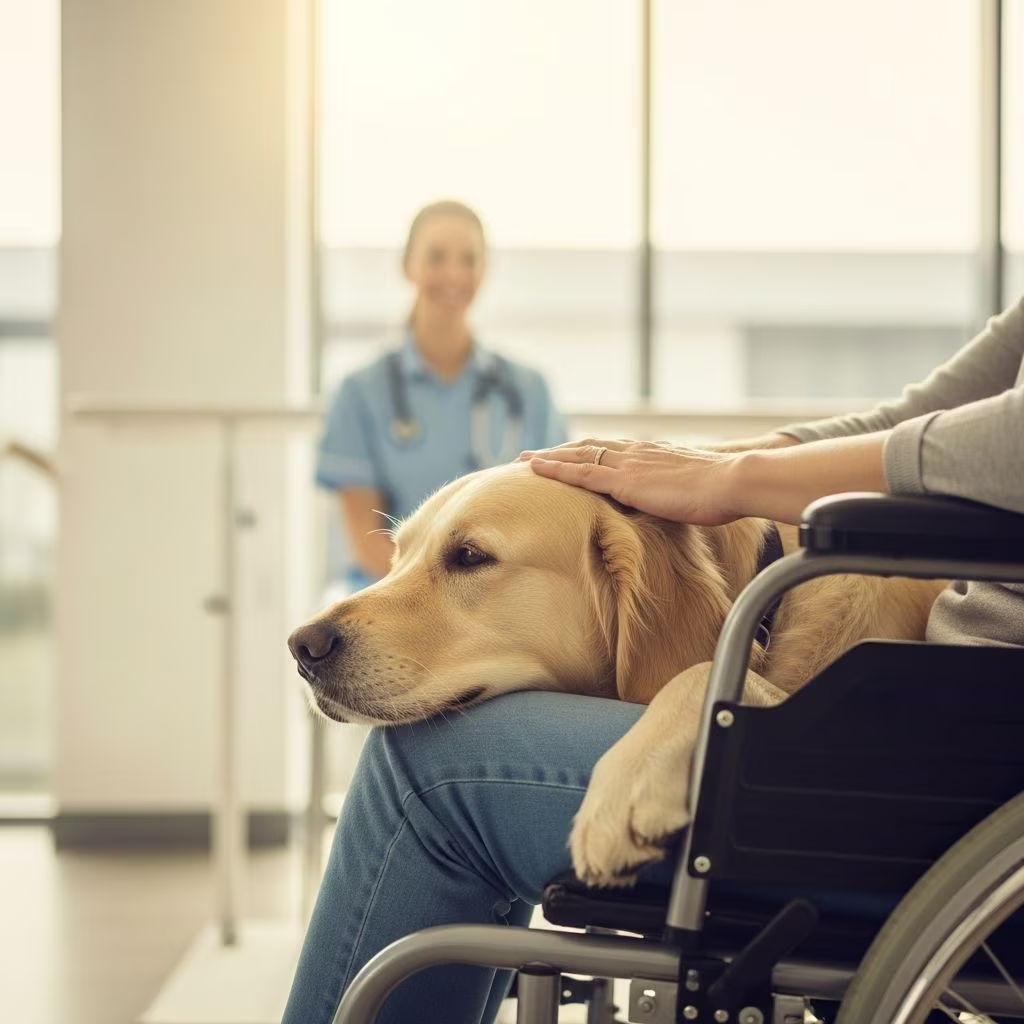
Trained and companion dogs play a vital role in enhancing human physical therapy sessions by motivating patients, alleviating discomfort, and fostering better engagement in rehabilitation exercises. These animal-assisted interventions lead to measurable improvements in pain management, mobility, and overall recovery speed.
The Science Behind Canine Assistance in Recovery
Animal-assisted therapy (AAT) with dogs integrates seamlessly into physical rehabilitation protocols, leveraging the natural bond between humans and canines to promote healing. Studies demonstrate that patients interacting with dogs during therapy report lower pain levels and higher satisfaction, attributed to endorphin release and reduced stress hormones.
Dogs encourage active participation by providing tactile and emotional cues. For instance, a dog’s steady gait can guide patients in gait training, promoting rhythmic walking patterns that enhance stability. This approach not only distracts from discomfort but also stimulates neuroplasticity, aiding long-term functional gains.
Key Benefits for Physical Therapy Patients
Incorporating dogs yields multifaceted advantages, transforming routine sessions into engaging experiences. Here’s a breakdown:
- Pain Reduction: Patients experience significant drops in perceived pain post-sessions with dogs, as interactions trigger natural analgesics like endorphins.
- Enhanced Motivation: The presence of a dog boosts willingness to perform repetitive exercises, leading to greater adherence and progress.
- Improved Emotional Well-being: Decreased anxiety and stress levels facilitate a positive mindset conducive to recovery.
- Better Physical Outcomes: Dogs aid in building strength, balance, and coordination through play-based activities.
How Dogs Facilitate Specific Rehab Exercises
Dogs are trained to support targeted movements, making therapy more dynamic. They use gentle nudges with nose or paws to prompt actions like reaching or standing, which refine motor skills.
| Exercise Type | Dog’s Role | Patient Benefit |
|---|---|---|
| Gait Training | Walks alongside to set pace | Steadier steps and endurance |
| Balance Work | Encourages reaching or tossing | Improved core stability |
| Strength Building | Fetch or tug games | Enhanced muscle power |
| Motor Skill Drills | Nudges for movement | Finer coordination |
These interactions mimic natural play, reducing fatigue while maximizing repetition.
Evidence from Clinical Studies
Research underscores the efficacy of dog-assisted therapy. A study on post-joint arthroplasty patients found those with dog support had greater pain relief and higher hospital satisfaction scores. Similarly, pediatric rehab trials showed reduced anxiety and better participation when dogs were involved.
In broader settings, facility dogs in hospitals lower stress and support physical tasks like walking or grooming, which indirectly bolster rehab efforts. These findings align with AAT’s role in complementing traditional PT interventions.
Training and Selection of Therapy Dogs
Not all dogs qualify; therapy dogs undergo rigorous evaluation for temperament, obedience, and health. Organizations like Canine Companions for Independence breed and train mixes like Golden Retriever-Labrador for calm demeanor and responsiveness.
Key traits include:
- Low excitability in crowds
- Comfort with handling and noise
- Intuitive response to human cues
- Up-to-date vaccinations and hygiene
Handlers, often PTs or volunteers, ensure seamless integration into sessions.
Applications Across Patient Demographics
Dog therapy adapts to diverse groups. In geriatrics, it counters isolation while aiding mobility; orthopedics benefits from pain distraction post-surgery; pediatrics sees gains in compliance via fun interactions.
For neurological cases, dogs prompt targeted movements, fostering rewiring of neural pathways. Obese patients find low-impact walks with dogs more appealing, supporting weight management alongside rehab.
Potential Challenges and Solutions
While benefits abound, considerations include allergies, phobias, or hygiene. Facilities screen patients and maintain protocols like handwashing and controlled access.
Risks are minimal with certified dogs, but overexertion must be monitored. Therapists tailor involvement to avoid overwhelming vulnerable individuals.
Implementing Dog Therapy in Practice
Clinics can partner with therapy organizations or certify in-house dogs. Start with short sessions, observing patient-dog chemistry. Track metrics like pain scales and adherence rates to quantify impact.
Cost-effective and scalable, this method elevates standard PT, potentially shortening recovery timelines.
Frequently Asked Questions
What qualifications do therapy dogs need?
They must pass temperament tests, health checks, and obedience training from accredited programs.
Is dog therapy safe for all patients?
Generally yes, with screening for allergies or fears; benefits outweigh risks in most cases.
How quickly do benefits appear?
Many report pain relief immediately post-session, with cumulative gains over weeks.
Can family pets participate?
Trained companions may qualify if they meet standards, expanding access.
What’s the evidence for long-term effects?
Studies show sustained improvements in mobility and quality of life.
Future Directions in Canine-Assisted Rehab
Emerging research explores tech integrations like wearable trackers for dogs to optimize sessions. Standardization of protocols could broaden adoption, making dog therapy a PT staple.
As awareness grows, more facilities will harness this powerful alliance for superior patient outcomes.
References
- 8 Amazing Benefits of Physical Rehabilitation for Dogs — Dixah. 2023-07-21. https://www.dixah.com/site/blog/2023/07/21/benefits-physical-rehabilitation-dog
- Benefits of Animal Assisted Therapy — OptimisPT. N/A. https://optimispt.com/let-your-rehab-therapy-practice-go-to-the-dogs-benefits-of-animal-assisted-therapy/
- The Benefits of Pet Physical Therapy — Harmony Road Vet. N/A. https://www.harmonyroadvet.com/blog/the-benefits-of-pet-physical-therapy-how-it-can-help-with-recovery-and-injury-prevention
- Dog Physical Therapy: Everything a Pet Parent Should Know — PetMD. N/A. https://www.petmd.com/dog/general-health/dog-physical-therapy
- No Bones About It: Physical Therapy Helps Dogs Too — PPSAPTA. N/A. https://ppsapta.org/blog/marketing/no-bones-about-it-physical-therapy-helps-dogs-too
- The Benefits of Physical Rehabilitation for Dogs & Cats — Falls Road. 2023-11-15. https://www.fallsroad.com/site/tips-resources-blog-baltimore-vet/2023/11/15/benefits-physical-rehabilitation-dogs-cats
- The Benefits of Animal-Assisted Therapy — Husson University. 2022-07. https://www.husson.edu/online/blog/2022/07/benefits-of-animal-assisted-therapy



