

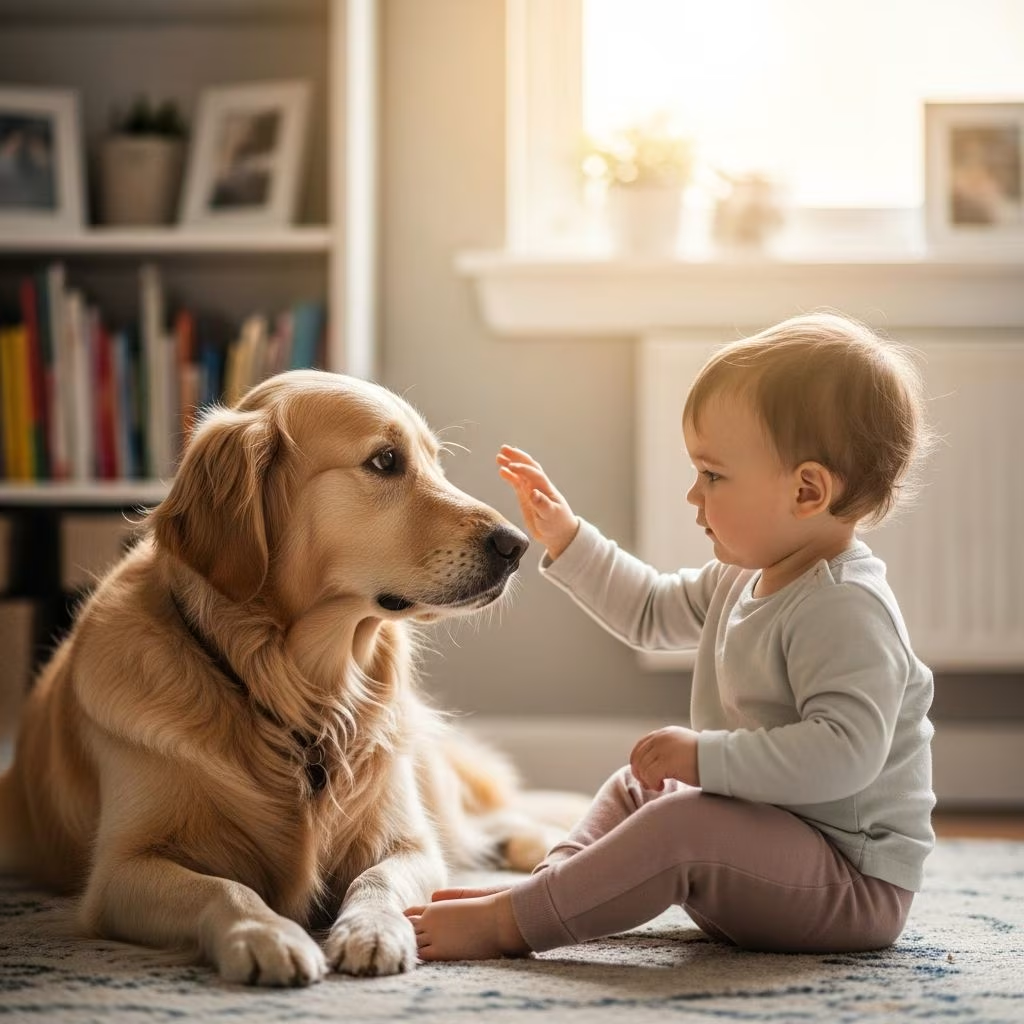
Bringing a dog into a home with young children creates opportunities for profound growth. These animals serve as gentle teachers, helping kids develop essential life skills through everyday interactions.
Why Early Bonds Matter for Family Dynamics
From infancy, children exposed to dogs gain unique advantages in emotional and social development. Dogs provide consistent companionship that mirrors human relationships, encouraging kids to observe and respond to non-verbal cues. This early exposure lays the foundation for stronger interpersonal skills later in life.
Research highlights that pet-owning children often exhibit heightened empathy. They learn to interpret tail wags, ear positions, and body postures, skills that transfer to understanding human emotions. Families report closer-knit units when children participate in pet care, as shared duties promote teamwork and mutual respect.
Establishing Safe First Encounters
Initial meetings between toddlers and dogs require careful planning to prevent mishaps. Always supervise closely, starting in neutral spaces like a yard where the dog feels secure. Teach children basic rules: no pulling tails, gentle petting under the chin, and respecting the dog’s need for space.
- Choose calm, child-friendly breeds accustomed to noise and movement.
- Keep interactions short at first, rewarding the dog with treats for positive behavior.
- Use baby gates to allow visual contact without direct access initially.
Gradually increase time together as trust builds. This methodical approach minimizes stress for both parties and sets positive precedents.
Daily Routines That Build Character
Involving children in dog care routines instills discipline from a young age. Simple tasks like filling water bowls or picking up toys teach accountability. Preschoolers can scatter kibble under supervision, associating mealtime with their role in the pack.
| Age Group | Suitable Tasks | Learning Outcome |
|---|---|---|
| 2-4 years | Petting, toy toss, water refresh | Gentleness, routine awareness |
| 5-7 years | Leash holding, feeding assistance, grooming | Responsibility, following instructions |
| 8+ years | Walking, basic training, yard cleanup | Independence, empathy |
These activities not only benefit the dog but also boost children’s sense of accomplishment. Completing chores leads to praise from parents and the dog’s enthusiastic response, reinforcing good habits.
Cultivating Empathy Through Observation
Dogs excel at teaching children to read emotions. A fearful whine or joyful leap becomes a lesson in sensitivity. Kids learn that their actions influence others’ feelings, fostering considerate behavior.
Studies confirm pet interactions enhance prosocial traits. Children who nurture animals show greater compassion toward peers, reducing bullying tendencies. This empathy extends to family members, improving household harmony.
Boosting Confidence Via Shared Adventures
Joint outings with dogs push children beyond comfort zones. Park visits encourage greetings to strangers, while training sessions build mastery. Success in teaching “sit” or navigating new paths elevates self-worth.
Dogs offer unconditional support, vital during setbacks like school challenges. Their unwavering loyalty reassures kids of their value, countering self-doubt. Families note increased resilience in pet-owning children facing changes.
Enhancing Social Connections
Dogs act as social bridges. At playgrounds or events, they spark conversations, helping shy kids open up. Sharing pet stories normalizes interactions, expanding friendship circles.
- Group walks promote cooperation among siblings.
- Dog parks teach turn-taking and boundary respect.
- Pet playdates model inclusive play.
These experiences sharpen communication skills, preparing children for group settings like classrooms.
Physical and Mental Health Gains
Active play with dogs promotes fitness. Fetch games and neighborhood strolls meet daily movement needs playfully. Mentally, the routine calms anxiety; stroking a dog lowers cortisol levels.
Evidence links dog ownership to better sleep and mood regulation in children. The physical touch releases oxytocin, enhancing emotional stability.
Navigating Challenges in Multi-Generational Homes
In households with grandparents or infants, balance dog involvement carefully. Educate all members on signals of overstimulation, like yawning or lip-licking. Rotate duties to prevent burnout.
Address jealousy by ensuring equal attention. Positive reinforcement for calm behavior around babies strengthens family ties.
Long-Term Rewards of Lifelong Companionship
As children mature, early dog bonds evolve into deeper partnerships. Teens confide in pets during turbulent years, gaining perspective. Adults credit childhood pets for shaping their values.
The investment yields empathetic, responsible individuals ready for independent living.
Frequently Asked Questions
At what age should kids start helping with dog care?
From age 2, with supervision. Simple tasks build habits without overwhelming young ones.
Can any dog breed suit families with toddlers?
Opt for patient, sturdy breeds like Labradors. Assess individual temperament over breed alone.
How do dogs help with homework focus?
Reading aloud to dogs reduces performance anxiety, improving literacy skills.
What if my child fears dogs initially?
Start with distant observation and positive stories. Gradual exposure with calm dogs builds comfort.
Do dogs reduce sibling rivalry?
Yes, shared pet care fosters cooperation and shifts focus from competition.
Practical Tips for Lasting Harmony
Maintain training consistency. Enroll in family obedience classes for structured learning. Vet checkups become family events, normalizing health care.
Celebrate milestones like first solo walks with photos or treats. These rituals cement positive associations.
References
- Dogs for kids: A combination of love and learning — Vanderbilt Health. 2023. https://my.vanderbilthealth.com/kids-and-dogs-a-loving-and-learning-combo/
- How Children Benefit From Having a Dog — American Kennel Club. 2024-10-15. https://www.akc.org/expert-advice/lifestyle/kids-benefit-from-having-a-dog/
- The benefits of a family pet — Michigan State University Extension. 2022-05-12. https://www.canr.msu.edu/news/the_benefits_of_a_family_pet
- Benefits of Pets for Kids — Children’s Hospital Colorado. 2025. https://www.childrenscolorado.org/just-ask-childrens/articles/benefits-of-pets/
- 5 Advantages for Kids Who Grow Up With Dogs — Point Vicente Vet. 2023-08-20. https://www.pointvicentevet.com/services/dogs/blog/5-advantages-kids-who-grow-dogs



