

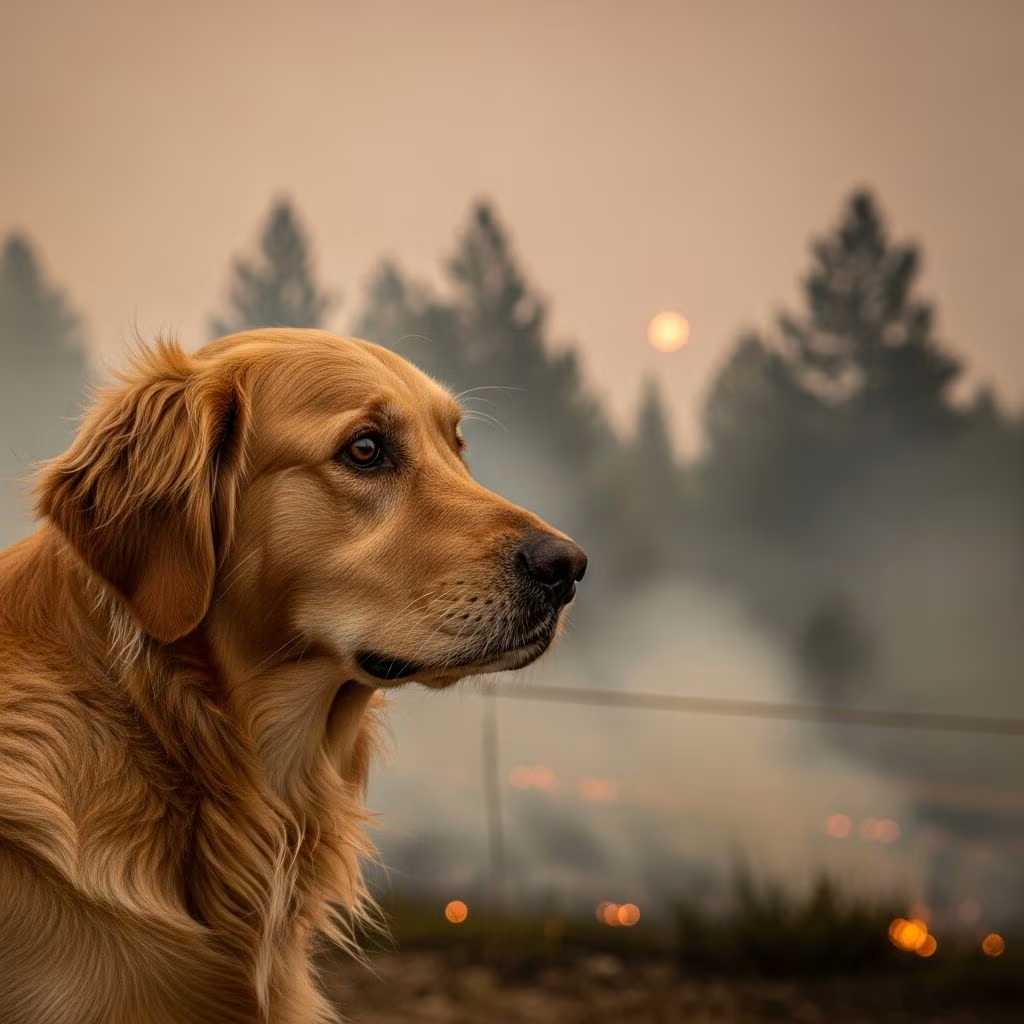
Wildfire smoke poses significant health risks to dogs due to their faster respiratory rates and sensitive respiratory systems compared to humans. Fine particulate matter in smoke can irritate airways, exacerbate conditions, and lead to serious complications, especially during prolonged exposure.
How Wildfire Smoke Affects Dogs
Dogs inhale more smoke particles relative to their size because of higher breathing rates and, in some breeds, enhanced sense of smell that draws in more air. The Air Quality Index (AQI) provides a key measure: levels of 101-150 are unhealthy for sensitive dogs like puppies or seniors, while above 151 endangers all pets. Smoke irritates the respiratory tract, triggers inflammation, and can worsen heart or lung conditions, with studies exploring long-term effects like shortened lifespan or increased cancer risk.
Particulates penetrate deep into lungs, causing immediate irritation and potential chronic issues. Brachycephalic dogs (short-nosed breeds) face amplified risks due to obstructed airways, making even normal breathing challenging in smoky conditions.
Dogs Most at Risk from Wildfire Smoke
Certain dogs are particularly vulnerable to poor air quality from wildfires. Key at-risk groups include:
- Pets with pre-existing conditions: Dogs with asthma, bronchitis, heart disease, or chronic respiratory issues experience exacerbated symptoms from smoke exposure.
- Senior and puppy dogs: Older dogs have reduced pollutant clearance, while puppies’ developing systems are highly susceptible.
- Brachycephalic breeds: Flat-faced breeds like Bulldogs, Pugs, Boston Terriers, Shih Tzus, and Persian cats struggle with shorter airways, leading to greater distress.
- Small mammals and birds (if housed with dogs): Though focused on dogs, note that cohabitating sensitive species heighten household vigilance needs.
All dogs warrant monitoring, but these groups require immediate indoor confinement during AQI elevations.
Signs of Smoke Inhalation in Dogs
Monitor for these common indicators of smoke distress, which signal airway irritation or toxicity:
- Coughing, gagging, or chronic coughing
- Increased respiratory rate, panting, wheezing, or loud/open-mouth breathing
- Sneezing, nasal discharge
- Watery, red, inflamed eyes or excessive tearing/blinking
- Fatigue, weakness, lethargy, disorientation, or stumbling
- Reduced appetite or thirst
- Swelling in mouth/throat, excessive salivation, pale/bluish gums
- Severe: Difficulty breathing, fainting, seizures, vomiting, uncoordinated walking, or collapse
Mild signs like eye irritation or coughing often resolve with reduced exposure, but any breathing issues demand immediate veterinary care. Pets with heart/lung conditions may show intensified prior symptoms.
How to Protect Dogs from Wildfire Smoke
Proactive steps mirror human precautions but adapt to pets’ needs. Primary strategy: minimize exposure.
- Keep indoors: Seal windows/doors, run air conditioning and HEPA air purifiers to filter particulates. Avoid fans drawing in outside air.
- Limit outdoor time: Short potty breaks only; skip walks, play, or exercise. One day of heavy smoke equals smoking 7 cigarettes for humans—worse proportionally for dogs.
- Monitor closely: Watch behavior; intervene at early signs like coughing or lethargy.
- Hydrate and comfort: Provide fresh water; indoor enrichment toys prevent boredom.
- Avoid masks: Not recommended unless vet-prescribed; they cause anxiety or breathing restriction.
For livestock or outdoor dogs, provide shelter, wet cloths over noses if feasible, but prioritize relocation indoors.
Dog Evacuation Kit Essentials for Wildfires
Wildfires often necessitate evacuation—never leave dogs behind. Prepare a go-bag with:
| Item | Purpose |
|---|---|
| Bottled water and bowls | Hydration; tap may contaminate post-fire |
| Waterproof food (2+ weeks) | Sustained feeding; include can opener |
| Prescription meds, flea/tick/heartworm preventives | Health maintenance |
| First-aid kit, poop bags | Injuries, cleanup |
| Familiar toys, bedding, blankets | Reduce stress |
| Anxiety aids (vests, calming sprays) | For anxious dogs |
Store in accessible spot; practice drills. During evacuation, carry pets if possible.
Long-Term Health Monitoring Post-Smoke Exposure
After smoke clears, continue vigilance. Lingering particulates or ash can irritate. Clean paws post-outings to prevent ingestion. Schedule vet check-ups for at-risk dogs, as studies probe chronic impacts like respiratory disease or cancer from repeated exposure. Behavioral changes like fear from fire smells/sounds may persist—use positive reinforcement.
Research from institutions like Colorado State University examines wildfire smoke’s big-picture effects on canine longevity and disease incidence, underscoring need for ongoing studies. Morris Animal Foundation funds investigations into inflammation and pre-existing condition worsening.
Frequently Asked Questions (FAQs)
Can dogs wear masks during wildfire smoke?
No, avoid unless vet-recommended; masks stress dogs and hinder breathing.
Is wildfire smoke as bad for dogs as for humans?
Potentially worse due to faster breathing and no masks; equivalent to heavy smoking exposure.
How long do smoke effects last in dogs?
Mild irritation resolves quickly indoors; severe cases need vet intervention; monitor weeks for chronic signs.
Are brachycephalic dogs safe outdoors briefly?
No—minimize all exposure; their anatomy heightens risks dramatically.
What if my dog shows breathing trouble from smoke?
Seek emergency vet care immediately; do not delay.
Additional Tips for Pet Owners During Wildfire Season
Beyond basics, track AQI via EPA apps for real-time alerts. Indoor activities: puzzle toys, training sessions maintain mental health. For multi-pet homes, isolate birds/small mammals in cleanest air zones. Post-fire, avoid ash-covered areas; hose down yards before access. Community resources like AVMA offer further guidance.
Climate trends increase wildfire frequency, making preparation routine. Educate neighbors on pet risks to foster community resilience.
References
- Air Quality and Animals: How Wildfire Smoke Affects Your Pets — East Dallas Vet Clinic. 2023. https://www.eastdallasvetclinic.com/services/dogs/blog/air-quality-and-animals-how-wildfire-smoke-affects-your-pets
- How Does Wildfire Smoke Affect Dogs? — American Kennel Club (AKC). 2023-10-01. https://www.akc.org/expert-advice/health/wildfires-smoke-dogs/
- Dog Safety During Poor Air Quality Alerts or Wildfire Smoke — Cornell University College of Veterinary Medicine. 2024. https://www.vet.cornell.edu/departments-centers-and-institutes/riney-canine-health-center/canine-health-topics/dog-safety-during-poor-air-quality-alerts-or-wildfire-smoke
- Wildfire Smoke and Animals — American Veterinary Medical Association (AVMA). 2024-06-15. https://www.avma.org/resources/pet-owners/emergencycare/wildfire-smoke-and-animals
- Wildfire Pet Safety Fact Sheet — Los Angeles County Department of Public Health. 2023. http://publichealth.lacounty.gov/media/wildfire/docs/wildfirepetsafety/WildfirePetSafetyFactSheet-English.pdf
- Scientists Examine Impact of Wildfire Smoke on Dog Health — Colorado State University College of Veterinary Medicine & Biomedical Sciences. 2023-08-20. https://cvmbs.source.colostate.edu/scientists-examine-poor-air-quality-wildfire-smoke-dog-health/
- New Study to Examine the Effect of Wildfire Smoke Exposure in Dogs — Morris Animal Foundation. 2024. https://www.morrisanimalfoundation.org/article/wildfire-smoke-dogs-study



