

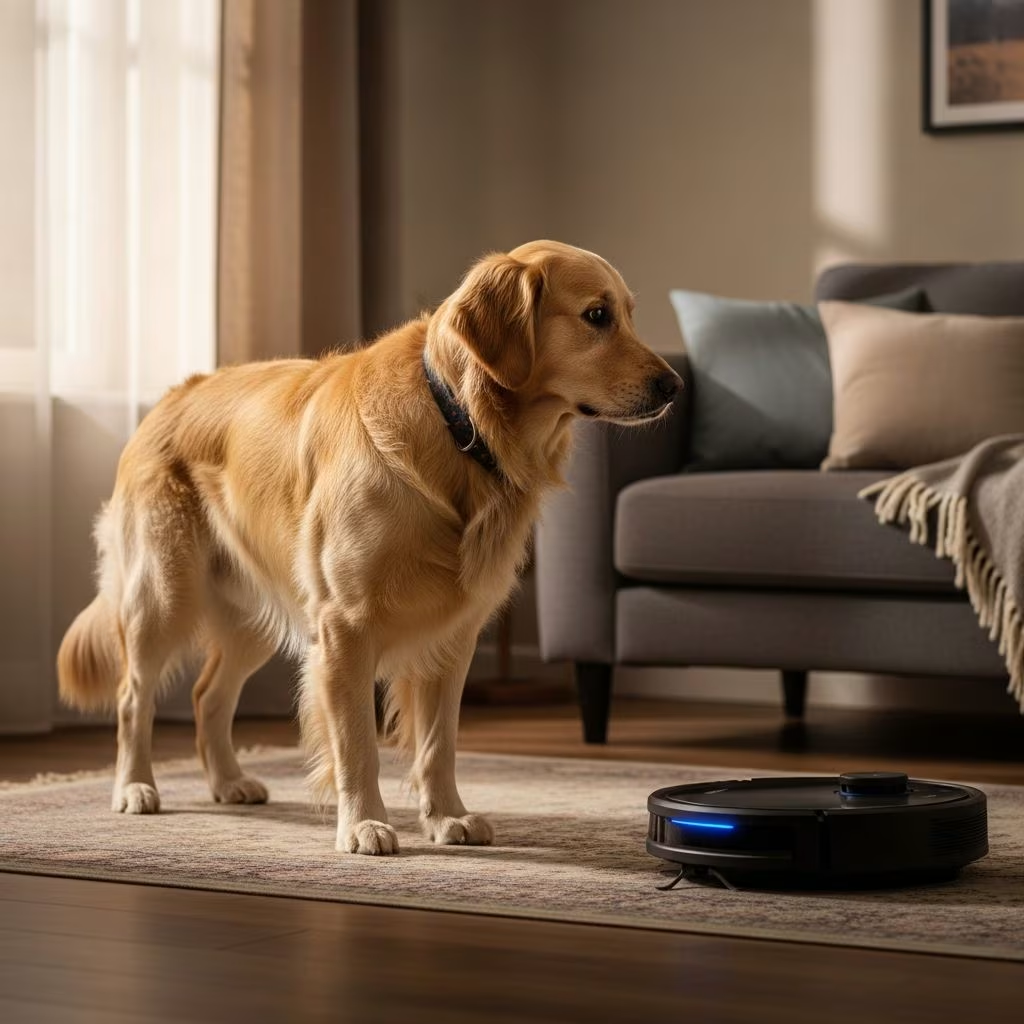
Vacuums often provoke intense fear in dogs, stemming from their superior sensory perception and unfamiliar encounters with the machine’s operation. This reaction is widespread, affecting dogs through heightened sounds, odors, and unpredictable movements that overwhelm their natural instincts.
The Sensory Overload Explained
Dogs experience the world through senses far more acute than humans, making everyday appliances like vacuums potential sources of terror. Their hearing detects frequencies up to 65,000 Hz compared to humans’ 20,000 Hz limit, turning the vacuum’s hum into a piercing whine. This auditory assault alone can trigger panic, especially in sound-sensitive breeds.
Beyond noise, vacuums stir up dust, debris, and embedded scents from carpets, releasing unfamiliar aromas that bombard a dog’s olfactory system, which boasts 300 million receptors versus our 6 million. Robotic models exacerbate this by darting autonomously, mimicking a predator’s erratic path and heightening perceived threat.
Spotting Fear Signals in Your Dog
Recognizing distress early prevents escalation. Common indicators include:
- Trembling or cowering: Body shakes signal acute anxiety.
- Excessive vocalization: Barking, whining, or growling as defensive responses.
- Avoidance behaviors: Hiding under furniture, pacing, or fleeing the room.
- Physiological signs: Drooling, panting, dilated pupils, or flattened ears.
- Aggressive posturing: Lunging or snapping at the device, rooted in self-protection.
These responses vary by breed temperament, past experiences, and age; puppies socialized early may adapt better.
Unpacking the Root Causes
| Cause | Explanation | Impact on Dog |
|---|---|---|
| High-Pitched Noise | Vacuums emit sounds painful to canine ears. | Triggers flight-or-fight; worsens noise phobias. |
| Unpredictable Movement | Especially in self-propelled units that chase or bump. | Perceived as predatory threat. |
| Unfamiliar Scents | Agitates stirred particles and exhaust odors. | Sensory overload leading to confusion. |
| Negative Past Events | Bumps, chases, or loud malfunctions. | Forms lasting conditioned fear. |
| Innate Nervousness | Genetic predisposition in timid breeds. | Amplifies all stimuli. |
Not every dog reacts identically; confident ones might ignore it, while anxious pets amplify minor cues into full-blown dread.
Gradual Desensitization Strategies
Counterconditioning transforms fear into neutrality through controlled exposure paired with rewards. Start with the vacuum off in a quiet space, offering high-value treats like chicken bits whenever your dog approaches voluntarily. Gradually introduce low-volume operation from afar, maintaining positivity.
- Preparation phase: Station the vacuum visibly but inactive; reward calm proximity over days.
- Sound introduction: Plug in without powering on; use treats to build association.
- Low rumble: Run briefly at lowest setting in another room, praising relaxation.
- Proximity build-up: Short sessions closer each time, never forcing interaction.
- Full simulation: Vacuum normally while dog remains composed elsewhere, extending tolerance.
Consistency yields results in weeks; sessions under 5 minutes prevent overwhelm. Muzzle train if aggression risks injury.
Supportive Tools and Environment Tweaks
Enhance training with calming aids:
- Thundershirts or anxiety wraps for pressure comfort.
- Pheromone diffusers mimicking maternal scents.
- White noise machines to mask vacuum hum.
- Crate as safe haven with toys during cleaning.
Confine to a muffled area initially, avoiding punishment which intensifies fear. For robotic vacuums, schedule runs during absences.
When to Consult a Professional
Severe cases—persistent aggression, self-harm attempts, or generalized anxiety—warrant veterinary behaviorists. They assess for underlying issues like generalized anxiety disorder, prescribing short-term meds alongside therapy. Early intervention prevents chronic phobia.
Rule out hearing damage from prolonged exposure; annual vet checks catch sensitivities.
Real-World Success Stories
Owners report triumphs: one transformed a lunging terrier via treat-laced sessions, now lounging during cleanings. Another used barriers and gradual intros for a Roomba-fearing lab, achieving indifference. Patience and positivity underpin every win.
Preventive Measures for New Puppies
Socialize early: expose gently from 8 weeks, associating vacuums with play. Breeds like herding dogs prone to movement fixation benefit most from proactive habits.
FAQs
Do all dogs fear vacuums?
No, but many do due to sensory acuity; socialization reduces likelihood.
Can puppies outgrow vacuum phobia?
With proper exposure, yes; untreated fears entrench by adulthood.
Is punishing barking effective?
No, it heightens anxiety; use desensitization instead.
How long until desensitization works?
2-6 weeks with daily short sessions; varies by dog.
What about silent vacuums?
They mitigate noise but not movement or scent issues fully.
Long-Term Household Harmony
Addressing vacuum fear fosters confidence across stimuli, enriching your dog’s life. Regular training reinforces resilience, ensuring cleaning days become routine joys rather than ordeals. Track progress in a journal to celebrate milestones and adjust tactics.
References
- Why Some Dogs Are Scared Of Hoovers When Others Are Not — Adaptil. 2023-05-15. https://www.adaptil.co.uk/blogs/news/why-some-dogs-are-scared-of-hoovers-when-others-are-not
- Why Are Dogs Scared of Vacuums? — PetMD. 2024-08-22. https://www.petmd.com/dog/training/why-are-dogs-scared-vacuums
- Dog Science Series: Why Are Dogs Afraid of Vacuum Cleaners? — Animals Matter. 2023-11-10. https://animalsmatter.com/blogs/news/dog-science-series-why-are-dogs-afraid-of-vacuum-cleaners
- Why Are Dogs Scared of Vacuums? — Hill’s Pet Nutrition. 2024-02-14. https://www.hillspet.com/dog-care/behavior-appearance/why-are-dogs-scared-of-vacuums
- Simplest Fix EVER for a Dog’s Fear of the Vacuum Cleaner! — Riley’s Place. 2023-07-03. https://www.rileysplace.org/insights-to-dog-behavior/simplest-fix-ever-for-dogs-fear-of-the-vacuum-cleaner/



