

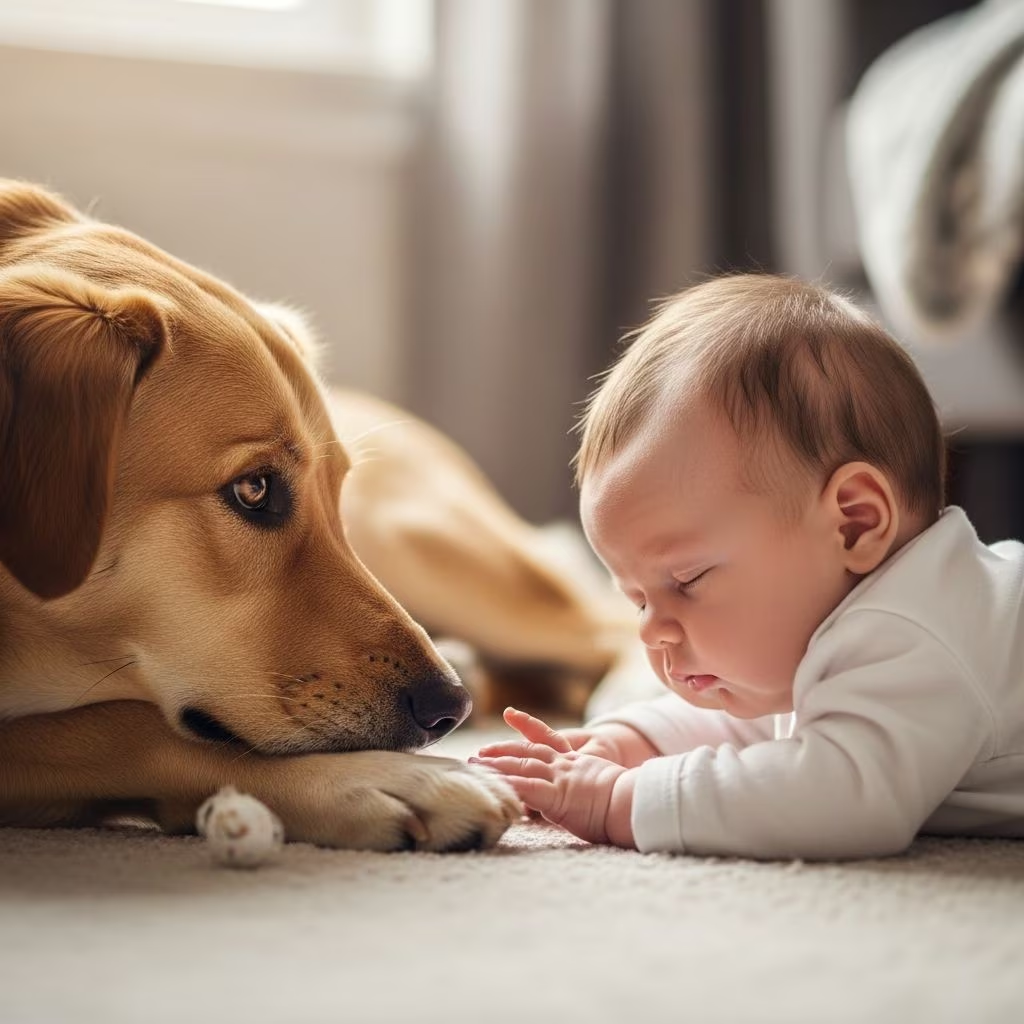
Bringing a new baby into a home with a dog can be a joyful experience if handled correctly. Proper preparation and ongoing management help ensure safety for both the infant and the pet, fostering a positive relationship from the start. Dogs often adjust well to babies when owners anticipate changes and implement safety measures early.
Before the Baby Arrives
Preparation begins months before the baby’s arrival to help your dog acclimate to upcoming changes in routine, sounds, and household dynamics. Gradually introduce your dog to baby-related stimuli to reduce stress and prevent unwanted behaviors.
- Establish a daily routine: Dogs thrive on consistency, so set a schedule for walks, feeding, and playtime that you can maintain post-baby. This minimizes disruption when your attention shifts to the newborn.
- Create a dog zone: Designate a secure space, like a crate or gated area, for meals, rest, and chews. Ensure children cannot access it, providing the dog a quiet retreat away from baby activities.
- Acclimate to baby sounds and smells: Play recordings of baby cries starting softly and increasing volume. Bring home baby lotions and blankets for the dog to sniff, associating them positively with treats.
- Train basic obedience: Enroll in positive reinforcement classes teaching “sit,” “stay,” and “leave it.” Practice with a doll to simulate baby-handling scenarios.
- Stock up on supplies: Have extra help lined up for dog exercise and care during early newborn days to prevent neglect or resentment.
These steps build positive associations, helping your dog view the baby as non-threatening. Involve family members in training to model calm behavior.
Coming Home from the Hospital
The first introduction sets the tone. Avoid overwhelming your dog; keep it brief, calm, and supervised.
- Have a helper present: One person greets the dog calmly with praise and a walk, while another holds the baby. Sniffing the blanket first builds familiarity.
- Keep initial meetings short: Allow supervised sniffing from a distance; reward calm behavior with treats. Never force interaction.
- No unsupervised time: Even friendly dogs need constant watching. Use a leash indoors initially for control.
Fresh smells from the hospital can excite or confuse dogs, so prioritize positivity. If tension arises, separate calmly without punishment.
Life with a Newborn
Daily life requires vigilance to protect both baby and dog. Balance attention to prevent jealousy while prioritizing infant safety.
- Never leave alone: Supervise every interaction, even briefly. Install baby gates to block nursery access.
- Feed dog during baby routines: Give special chews or meals when nursing or changing to link baby time positively.
- Maintain exercise: Daily walks and play prevent boredom-induced issues like chewing or barking.
- Protect sleep and meals: Teach “Do Not Disturb”—no petting while eating or resting. Use the dog zone for these.
Watch for stress signs like yawning, lip-licking, or avoidance, addressing them with more exercise or training.
Supervising and Teaching Safe Interactions
Constant supervision is non-negotiable. Teach children and model safe behaviors to prevent accidents.
- Prohibit rough play: No pulling ears, tails, riding, or wrestling—these provoke bites.
- Gentle petting only: Stroke sides, back, or behind ears; avoid face, paws, belly.
- Use toys for play: Fetch or tricks instead of hands to avoid nips.
- Model good behavior: Praise calm interactions; never hit or yell at the dog.
For toddlers, assign age-appropriate tasks like filling water bowls under supervision to build responsibility.
Reading Dog Body Language
Understanding signals prevents misunderstandings. Dogs communicate discomfort clearly if you learn to read them.
| Positive Signals | Warning Signals |
|---|---|
| Relaxed ears, soft eyes, play bow, wagging tail | Stiff body, raised hackles, growling, lip curl, whale eye (whites showing) |
| Approaching with loose movements | Yawning, lip-licking, freezing, turning away |
Intervene immediately on warnings: separate calmly and redirect. Teach kids: “Yellow light—watch closely; Red light—stop and get help”. Direct eye contact can seem challenging, so encourage glancing away.
Common Problems and Solutions
Issues like resource guarding or jumping arise but are manageable with prevention.
- Resource guarding: Feed in crate; never let baby near food bowls.
- Jumping or excitement: Train “sit” for greetings; leash indoors.
- Jealousy: Daily one-on-one time with dog; hire walkers if needed.
- Barking at cries: Desensitize pre-baby; reward quiet.
If aggression appears, consult a certified trainer immediately. Punishment worsens fear.
Signs Your Dog Is Stressed
Recognize early to intervene.
- Excessive panting or drooling
- Pacing or hiding
- Loss of appetite
- Sudden accidents
- Avoiding baby areas
Counter with exercise, puzzles, and vet check for health issues.
Training Tips
Positive methods work best.
- Use treats/praise for calm baby proximity.
- Practice “place” command for staying put.
- Ignore bad behavior; reward good.
Group classes model family scenarios.
Frequently Asked Questions
Can all dogs live safely with babies?
With preparation and supervision, yes, but some breeds or individuals need extra management. Assess your dog’s temperament.
What if my dog growls at the baby?
Separate immediately, consult a professional behaviorist. Don’t punish—identify triggers like proximity.
How do I exercise my dog with a newborn?
Tether to you for leashed walks, use puzzle toys, hire help. Consistency prevents problems.
Is crate training necessary?
Highly recommended for safe alone time and positive associations.
When can kids play unsupervised with the dog?
Never fully; supervision scales with age, but always watch.
Long-Term Success
As baby grows into a toddler, reinforce rules. Involve child in gentle care like brushing (supervised). Annual vet checks ensure health. Spay/neuter by 6 months reduces roaming. Microchip for safety.
Success stories abound with diligent owners: dogs become gentle protectors when needs are met.
References
- Kids and Dogs — San Francisco SPCA. Accessed 2026. https://www.sfspca.org/resource/kids-and-dogs/
- Dogs and Babies – What You Need to Keep in Mind — CC SPCA. Accessed 2026. https://ccspca.com/blog-spca/education/dogs-and-babies/
- Understanding Animal Behavior: Teaching Kids Pet Safety Cues — Lifeline Animal Project. Accessed 2026. https://lifelineanimal.org/understanding-animal-behavior-teaching-kids-pet-safety-cues/
- General Dog Care — ASPCA. Accessed 2026. https://www.aspca.org/pet-care/dog-care/general-dog-care
- Pets and Your New Baby — SPCA. Accessed 2026. https://spca.org/file/Pets–Your-New-Baby.pdf
- What You Need to Keep Your Pet Safe When Disaster Strikes — ASPCA. Accessed 2026. https://www.aspca.org/news/what-you-need-keep-your-pet-safe-when-disaster-strikes



