

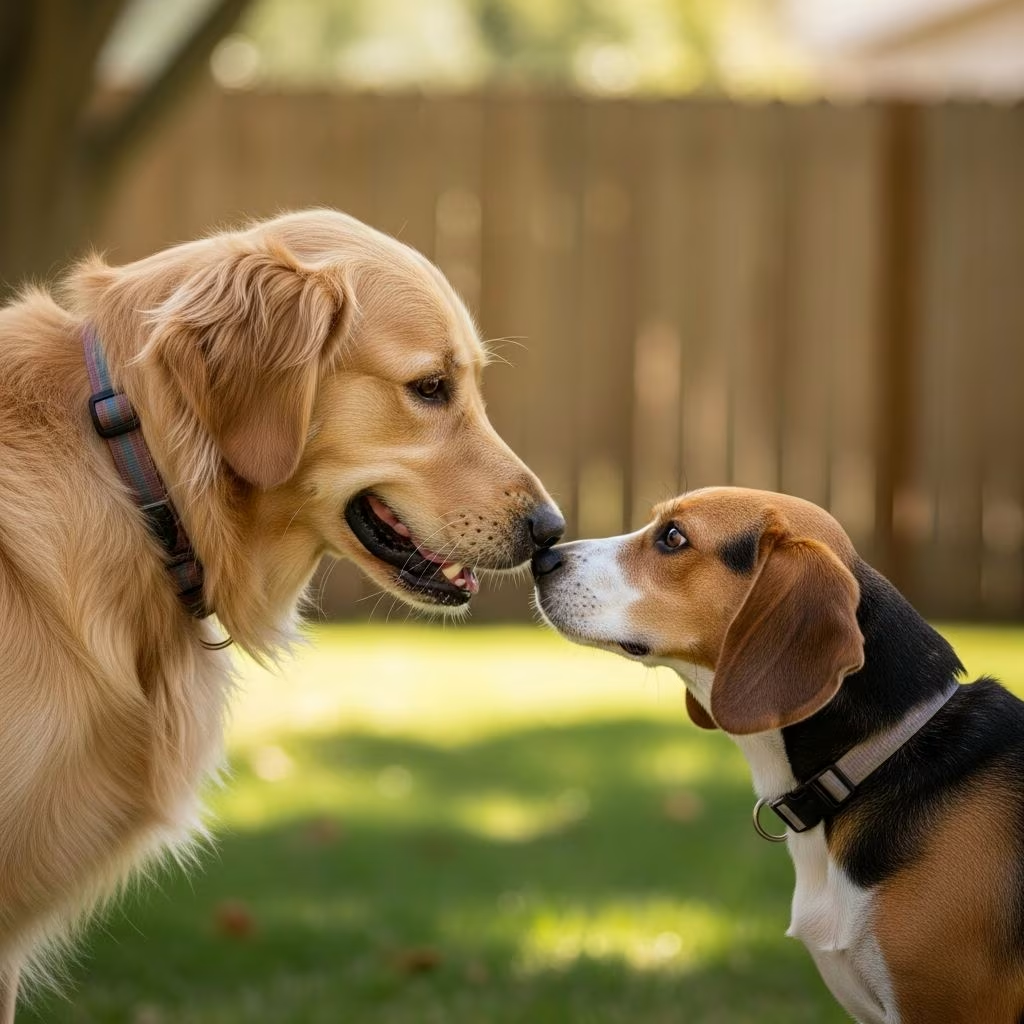
Doggie Play Date Etiquette: How to Introduce Pets Successfully
Introducing your dog to new canine companions can be an exciting yet challenging experience. A successful play date requires more than just throwing two dogs together and hoping for the best. Understanding proper play date etiquette and introduction protocols ensures positive experiences that build confidence, strengthen social skills, and foster lasting friendships between dogs. Whether you’re planning your dog’s first playdate or organizing social events regularly, mastering these essential guidelines will transform your approach to canine socialization.
Understanding Your Dog’s Personality and Preferences
Before scheduling any playdate, invest time in understanding your dog’s unique personality and social preferences. Every dog is different—some are naturally gregarious and thrive in group settings, while others are more reserved and require gradual exposure to new companions. Observe how your dog reacts to unfamiliar dogs during walks or visits to public spaces. Does your dog approach with curiosity and a relaxed posture, or does he display signs of anxiety or aggression? Understanding these baseline behaviors helps you make informed decisions about whether your dog is ready for playdates and what type of playmates would be most suitable.
Take note of your dog’s play style as well. Some dogs prefer gentle, bouncy interactions, while others enjoy more active wrestling and chase games. Recognizing these preferences allows you to select appropriate play partners and plan activities that align with your dog’s comfort level. Additionally, consider any fears, triggers, or past negative experiences that might influence your dog’s behavior during introductions. Openly discussing these details with potential play date partners ensures everyone is on the same page and can respond appropriately to your dog’s needs.
Selecting the Right Play Partners
Choosing compatible play partners is crucial for successful playdates. The ideal playmate is typically close in age, size, and energy level to your dog. A significant size difference can lead to accidental injuries, regardless of a larger dog’s gentle nature. When a small dog plays with a much larger dog, the intensity of play—even if well-intentioned—can overwhelm or injure the smaller companion.
Consider compatibility factors beyond just physical attributes. A young, high-energy puppy might frustrate an older, more sedate dog, while a calm adult dog might bore an energetic youngster. Look for dogs with complementary play styles and temperaments. If your dog tends to be dominant or competitive, pair him with a dog that isn’t easily intimidated. Conversely, if your dog is more submissive, a slightly more assertive but friendly playmate can help build confidence.
Before committing to regular playdates, arrange a brief introductory meeting. This trial run allows you to observe the dogs’ interactions in a low-pressure setting and determine whether they’re likely to become good friends. Not all dogs click immediately, and that’s perfectly normal. Some pairings develop naturally over time, while others may never be ideal matches.
Choosing the Perfect Location
Location plays a pivotal role in the success of any playdate. Neutral territory is absolutely essential for first introductions. Avoid hosting the playdate at either dog’s home, as dogs can exhibit territorial behavior when unfamiliar dogs enter their space. Even the most sociable dog may become defensive or anxious when protecting their territory, which can negatively impact the introduction.
Look for quiet, spacious areas that provide room for natural dog-to-dog play without excessive distractions or hazards. Ideal locations include fenced dog parks, empty tennis courts (with permission), quiet parks with ample open space, hiking trails, or dog-friendly outdoor venues. The area should be secure enough for off-leash play when the time is right, preventing either dog from running away unexpectedly. Equally important is choosing a location that isn’t overly crowded or noisy, as external stressors can put dogs on edge and interfere with positive interactions.
When evaluating potential locations, scout the venue in advance. Check for potential dangers such as toxic plants, broken fencing, standing water, or roads nearby. Ensure the space is large enough that dogs won’t feel crowded but not so vast that you can’t maintain visual contact. Having adequate space allows for natural play behavior while keeping both dogs within your supervisory range.
Pre-Playdate Communication and Planning
Clear communication with the other dog owner before the playdate prevents misunderstandings and ensures a smooth experience. Schedule a conversation to discuss important details about both dogs and establish expectations for the meetup.
Key topics to address include:
- Whether the dogs are spayed or neutered
- Any known triggers, fears, or behavioral concerns
- Attitudes toward toys, treats, and rough play
- Any past negative experiences with other dogs
- Health status and vaccination records
- Preferred play styles and energy levels
- Time limits and break schedules
- Ground rules regarding intervention and safety protocols
This conversation establishes mutual understanding and confidence between both pet parents. It allows you to address potential conflicts before they arise and to develop a shared strategy for ensuring both dogs have a positive experience. Discussing each dog’s history and preferences demonstrates professionalism and commitment to successful socialization.
The Introduction Process: Step-by-Step Protocol
Starting with a Parallel Walk
Rather than immediately allowing dogs to interact face-to-face, begin with a parallel walk. This gentle introduction allows dogs to become accustomed to each other’s presence without direct pressure or confrontation. Keep both dogs on loose, relaxed leashes and walk side-by-side at a comfortable pace. Maintain some initial distance, then gradually close the gap as both dogs demonstrate calm, curious behavior.
During this parallel walk, observe how each dog responds to the other’s proximity. Look for signs of relaxation such as a naturally wagging tail, interest in sniffing the ground, or soft eye contact. These indicators suggest that both dogs feel safe and are ready to progress to closer interaction. If either dog shows tension or stress, maintain the current distance or increase separation, allowing more time for acclimation.
Reading and Interpreting Body Language
Understanding canine body language is perhaps the most critical skill for successful play date management. Dogs communicate constantly through their posture, facial expressions, and tail position, and learning to read these signals helps you intervene before problems develop.
Positive play indicators include: relaxed, softly wagging tails, play bows (front end stretched forward with rear end elevated), gentle sniffing without tension, soft eye contact, loose body posture, and spontaneous role reversals where dogs alternate between chasing and being chased.
Warning signs requiring immediate intervention include: stiff body posture, continuous hard staring, raised hackles, growling or snarling, snapping, pinned ears, tucked tail, rigid tension, or attempts to pin the other dog against barriers. If you observe any of these warning signs, calmly separate the dogs, increase distance, and allow time for both to reset. Never force interaction when either dog shows discomfort.
Remember that play can shift rapidly from appropriate to inappropriate. Continuous monitoring allows you to recognize when play is becoming too intense and to implement breaks before things escalate.
Managing Off-Leash Play Safely
Once both dogs demonstrate calm behavior and positive interest in each other, you can consider removing leashes if you’re in a secure, fully-enclosed area. Off-leash play allows for more natural interactions and prevents tension that can sometimes result from leash restrictions. However, only transition to off-leash play when you’re confident in both dogs’ reliability and the security of your location.
During the first few minutes of off-leash play, maintain close proximity and vigilant observation. Be prepared to intervene quickly if play becomes too rough or if one dog becomes overwhelmed. Watch for the previously mentioned warning signs and be prepared to separate dogs and allow them to cool down if needed. Your presence and attentiveness are crucial safety measures during this critical phase of the playdate.
Keeping First Playdates Short and Sweet
Resist the temptation to allow extended playtime during initial introductions. A short, positive experience is far superior to a long, potentially stressful one. Aim for 30 minutes or less for first-time playdates, adjusting downward for younger puppies or dogs that seem less confident. This shortened timeframe prevents fatigue, maintains positive energy, and leaves both dogs wanting more rather than becoming overwhelmed or exhausted.
As dogs become more familiar with each other through repeated positive interactions, you can gradually extend playdate duration. Subsequent meetings often go more smoothly as dogs develop familiarity and confidence in their interactions.
Playdate Essentials and Preparation
Proper preparation ensures you’re ready for any situation that arises during the playdate. Pack the following essentials:
- Waste bags for cleanup
- Fresh water for both dogs
- Collapsible bowls or containers for water
- High-value treats for positive reinforcement (reserved for exceptional behavior, not during active play)
- First aid supplies for minor injuries
- Favorite toys for each dog (only if neither dog exhibits possessive behavior)
- Leashes and backup restraint equipment
- Phone for emergencies and photos of the playdate
Bringing water and providing regular hydration breaks is particularly important. Active play generates heat, and dogs can become overheated quickly. Offering water at regular intervals and providing shaded rest areas helps maintain each dog’s comfort and safety throughout the playdate.
Managing Toys and Resources During Play
Toys can add wonderful dimensions to play or create problematic situations depending on the dogs involved and how toys are introduced. Before bringing toys into the playdate, assess both dogs’ resource-guarding tendencies. If either dog exhibits possessive behavior over toys or treats, it’s best to avoid introducing toys during play altogether.
If both dogs have solid “drop it” and “leave it” commands and demonstrate minimal resource guarding, you can incorporate toys for variation. However, monitor play carefully and be ready to reclaim toys if competition escalates or if one dog becomes overly focused on keeping the toy from the other. Keep-away games are enjoyable for many dogs, but if you notice one dog becoming too aggressive in pursuit or guarding behavior developing, remove the toy and redirect play to non-toy activities.
Recognizing When to Interrupt Play
Even though play dates are meant for fun and socialization, strategic interruptions can enhance the experience. Implementing brief two-minute cool-down breaks allows dogs to rest, hydrate, and reset their energy levels. These interruptions prevent play from escalating into rough, uncontrolled behavior and remind dogs about acceptable play boundaries.
During cool-down periods, offer water, allow for bathroom breaks, and give both dogs time to catch their breath. These pauses often make the resumed play even more enjoyable, as dogs approach the second round with renewed enthusiasm and better impulse control.
Supervising and Staying Engaged
Your role during the playdate extends beyond simply being present—you must actively supervise and remain engaged. While it’s tempting to catch up on conversation with the other dog owner, divided attention can result in missed warning signs or dangerous situations escalating. The playdate is fundamentally about the dogs, and your primary responsibility is ensuring their safety and positive experience.
Maintain visual contact at all times and watch for shifts in play dynamics. Document the playdate with occasional photos or videos to review later, which helps you understand your dog’s play style and identify any patterns or concerns. You’ll likely discover new facets of your dog’s personality and discover play behaviors you’ve never witnessed before.
Building Long-Term Socialization Success
Remember that the first playdate is just the beginning of your dog’s socialization journey. Some dogs become instant best friends, while others need multiple meetings to warm up to new companions. Patience, consistency, and positive experiences are essential for building a confident, well-socialized dog.
Regular playdates with compatible partners help dogs develop crucial social skills, build confidence in various situations, and learn appropriate play boundaries. Each successful interaction contributes to your dog’s overall behavioral development and emotional well-being.
Frequently Asked Questions
Q: At what age can puppies start having playdates?
A: Puppies can begin supervised playdates with vaccinated dogs around 12-16 weeks of age, once they have initial vaccinations. Always verify vaccination status of play partners before arranging meetings.
Q: What should I do if my dog becomes aggressive during a playdate?
A: Immediately separate the dogs calmly, increase distance, and allow both to cool down. If aggression persists across multiple meetings, discontinue playdates and consult a professional dog trainer or behaviorist.
Q: How often should dogs have playdates?
A: Frequency depends on individual dogs’ needs and preferences. Some dogs thrive with weekly playdates, while others are satisfied with monthly interactions. Observe your dog’s enthusiasm and adjust accordingly.
Q: Can older dogs and puppies play together safely?
A: Yes, but careful supervision is essential. Older dogs may have less tolerance for puppies’ exuberant play. Match energy levels and ensure the older dog can take breaks when needed.
Q: What if the dogs don’t seem interested in playing with each other?
A: Not all dogs become instant friends, and that’s normal. Some dogs prefer solitary play or interacting only with familiar companions. Extended parallel walks or low-pressure meetings can help build familiarity over time.
References
- How to Introduce Your Dogs for a Playdate — Furfriends. 2025-07-21. https://joinfurfriends.com/2025/07/21/how-to-introduce-your-dogs-for-a-playdate/
- 9 Essential Tips for Successful Dog Play Dates — Chewy Education. https://www.chewy.com/education/dog/training-and-behavior/training-pet-socialization-9-essential-tips-for-successful-dog-play-dates
- Dog Playdate Dos and Don’ts — Animal Kingdom Arizona. https://www.animalkingdomaz.com/blogs/dog-playdate-dos-and-donts/
- Setting Up a Puppy Playdate: Tips & Advice — American Kennel Club. https://www.akc.org/expert-advice/lifestyle/how-to-host-a-puppy-playdate/
- How to Find the Right Dog Playdate — Canine Culture UK. https://caninecultureuk.com/blogs/the-canine-blog/how-to-find-the-right-dog-playdate
- The Ultimate Guide to Organizing a Dog and Cat Playdate — Paw Naturals. https://pawnaturals.com/blogs/default-blog/playdates-for-paws-the-ultimate-guide-to-organizing-a-dog-and-cat-playdate



