

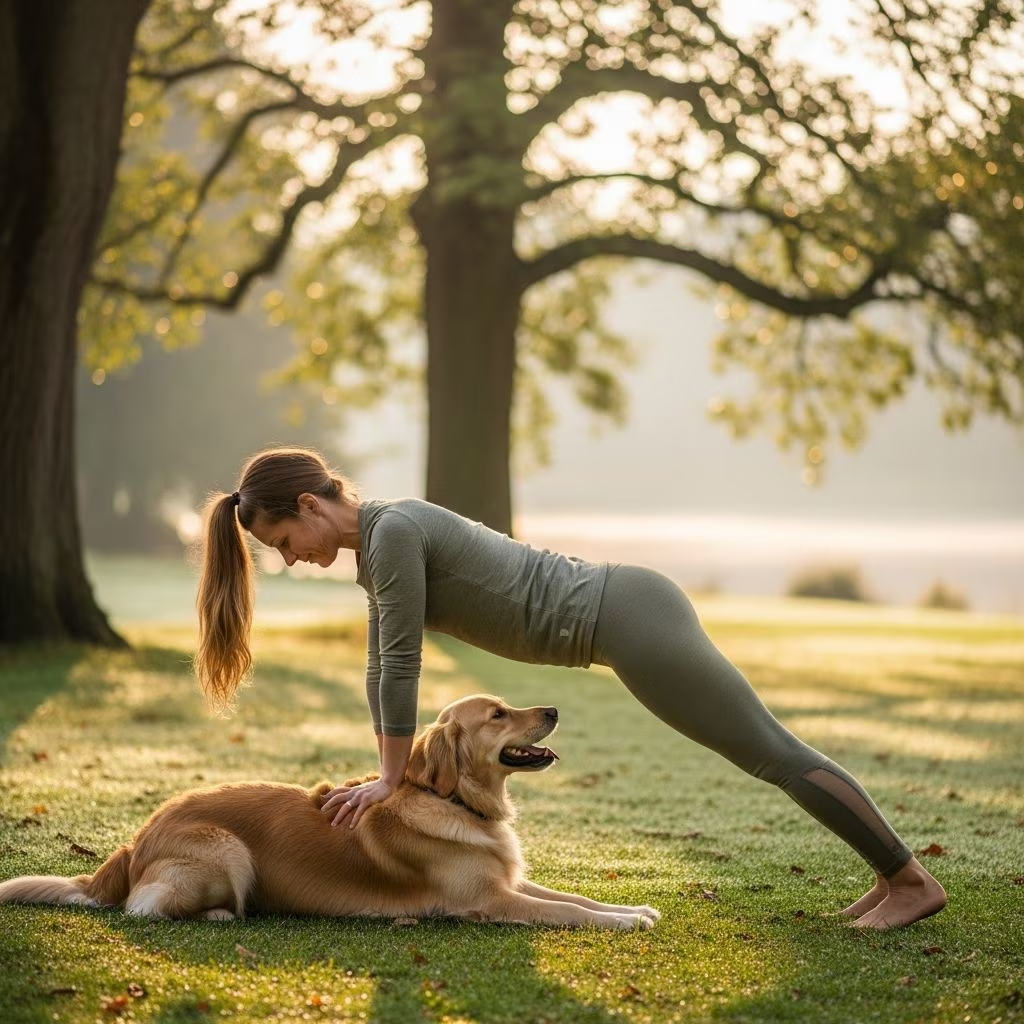
Engaging in yoga alongside your canine companion, commonly known as doga, combines the ancient practice of yoga with pet interaction to foster physical wellness, mental calm, and emotional closeness. This gentle activity adapts traditional poses for shared participation, making it accessible for dogs of varying ages, sizes, and abilities.
Why Practice Doga? Core Advantages for Humans and Canines
Doga delivers multifaceted benefits that extend to both participants. For dog owners, it enhances flexibility, balance, and core strength while reducing everyday stress through mindful breathing and movement. Pet dogs gain from improved circulation, joint mobility, and muscle tone, particularly valuable for seniors or those with mobility challenges.
- Physical gains: Low-impact stretches promote better posture and digestion in dogs, while humans experience increased range of motion.
- Mental relaxation: The calming massages and synchronized breathing help soothe anxious or hyperactive dogs, fostering impulse control.
- Emotional bonding: Shared sessions build trust and attention, curbing attention-seeking behaviors.
Regular practice can aid overweight dogs in gradual weight management through controlled movement, akin to therapeutic exercises like hydrotherapy. Studies on animal physiotherapy underscore how such routines support musculoskeletal health in aging pets.
Preparing for Your First Doga Session
Success in doga hinges on a thoughtful setup. Select a quiet, spacious area with a non-slip yoga mat large enough for you and your dog. Dim lighting and soft music can create a serene atmosphere. Always consult a veterinarian before starting, especially for dogs with injuries, arthritis, or obesity, to ensure safety.
| Essential Items | Purpose |
|---|---|
| Yoga mat | Provides stable, comfortable surface |
| Treats and toys | Positive reinforcement for participation |
| Water bowls | Hydration during and after sessions |
| Calming aids (optional) | Soothes nervous dogs |
Begin with short 10-15 minute sessions, gradually increasing duration as your dog becomes accustomed. Observe body language: relaxed ears and tail wags indicate enjoyment, while stiffening or avoidance signals to stop.
Beginner Doga Poses to Build Confidence
Start with simple poses that emphasize gentle interaction and basic stretches. These modifications ensure dogs remain comfortable without forcing unnatural positions.
Downward Dog Variation
This foundational pose forms an inverted V-shape with your body, encouraging spinal elongation. Your dog rests beneath, receiving pets that enhance relaxation.
- Position on hands and knees, then lift hips skyward.
- Straighten legs into an A-frame.
- Have your dog lie between your hands and feet; stroke their back rhythmically.
Benefits include strengthened arms and core for you, plus calming massage for your pet.
Child’s Pose with Pup Embrace
A restorative kneel-forward stretch that opens the back and hips. Ideal for cooldowns.
- Kneel with knees wide, toes touching.
- Fold torso forward, arms extended.
- Place your dog in front; gently drape over them for mutual contact.
This pose promotes deep breathing and trust-building touch.
Seated Forward Fold and Pet
Targets hamstrings and calves while incorporating affection.
- Sit with legs extended.
- Hinge at hips, reaching forward.
- Your dog sits opposite; pet their head as you fold.
Perfect for extending stretches safely with treat guidance.
Intermediate Poses for Enhanced Engagement
Once comfortable, progress to poses requiring more coordination and dog involvement.
Chair Pose Support
Strengthens legs and improves circulation. Suited for dogs who enjoy rearing up.
- Stand with feet together, sink hips as if sitting in a chair.
- Support your dog’s front paws upward if willing.
- Breathe deeply together.
Enhances ankle stability and fun playfulness.
Puppy Paw Stretch
Focuses on chest opening and forelimb extension.
- Have dog lie prone, paws forward.
- Kneel behind, rest forehead on their back, hold paws gently.
- Inhale deeply, syncing breaths.
Aids shoulder flexibility in dogs.
Wheelbarrow Lift
An advanced torso stretch for flexible dogs.
- Stand behind dog.
- Gently lift hind legs, supporting hips.
- Encourage gentle flexing.
Boosts core strength; use caution with heavier breeds.
Advanced Doga Techniques for Deep Connection
For experienced practitioners, these poses emphasize energy exchange and meditation.
Heart to Hound Connection
A meditative face-to-face pose for emotional attunement.
- Sit kneeling, facing your dog.
- Clasp hands behind back, lean forward.
- Touch foreheads softly.
Fosters profound bonding through shared gaze and breath.
Upward Dog with Observer
Backbend for spinal health; dog watches independently.
- Lie prone, press up through arms.
- Keep legs extended.
- Your dog observes nearby.
Encourages autonomy while you gain upper body strength.
Tailoring Doga for Different Dog Profiles
Adapt sessions to suit puppies, seniors, small breeds, or those with health issues.
- Puppies: Short, playful sessions with toy integration to build focus.
- Seniors/Arthritic: Emphasize passive stretches like hip flexor holds (15-30 seconds per leg) for joint relief.
- High-energy breeds: Incorporate dynamic flows to channel hyperactivity.
- Small dogs: Use bolster pillows for support in lifts.
For obese or injured dogs, prioritize ground-based poses to avoid strain, mirroring veterinary-recommended therapies.
Common Challenges and Solutions
Dogs may initially resist due to novelty. Counter with high-value treats, starting sans poses to build positive associations. If distraction persists, shorten sessions or practice during low-energy times like post-walk cooldowns.
Safety first: Never force positions causing discomfort. Signs of distress include whining, lip licking, or avoidance. Hydrate frequently and end with savasana—lying supine beside your relaxed dog for belly rubs and mutual rest.
Integrating Doga into Daily Routines
Incorporate 3-5 weekly sessions alongside walks for holistic fitness. Track progress via a journal noting improved flexibility or calmer demeanor. Group classes offer socialization, but home practice suffices for most.
Complement with nutrition: Omega-rich foods support joint health during increased activity.
Frequently Asked Questions
Is doga safe for all dogs?
Yes, when modified appropriately and vet-approved, especially low-impact for seniors.
How often should we practice?
3-4 times weekly, 15-30 minutes, adjusting for energy levels.
Can shy dogs participate?
Absolutely; start privately to build confidence before groups.
What if my dog won’t stay still?
Use treats for stays; progress gradually with patience.
Does doga help with separation anxiety?
Yes, by strengthening bonds and teaching relaxation cues.
Long-Term Transformations from Doga
Consistent practice yields noticeable changes: sleeker muscles, brighter energy, and synchronized breathing patterns signaling deep rapport. Owners report reduced stress, better sleep, and fewer behavioral incidents as dogs feel secure and valued. Doga transcends exercise, becoming a mindful ritual that enriches lives.
For injured pups, guided stretches like chest openers mimic professional rehab, enhancing recovery. Behavioral therapists note its role in impulse control for reactive dogs.
References
- Dog Yoga: Health Benefits and Poses to Try — TotalVet. 2023. https://total.vet/dog-yoga/
- Yoga – A Simple Technique to Boost Health for You and Your Pet — Bark and Whiskers. 2025-05. https://www.barkandwhiskers.com/content/files/2025/05/dog-yoga.pdf
- 7 Feel-Good Dog Yoga Poses That You Can Do With Your Dog — BookRetreats. N/A. https://bookretreats.com/blog/doga-top-dog-yoga-poses/
- Doga: How to Start Practicing Yoga with Your Dog — Raw Bistro. N/A. https://rawbistro.com/blogs/raw-bistro/doga-yoga-for-dogs
- The Art of Practicing Yoga with Your Dog — Figo Pet Insurance. N/A. https://figopetinsurance.com/blog/the-art-of-yoga-with-your-dog
- What Is Dog Yoga? (& How to Get Started w/Your Dog) — Hills Pet. N/A. https://www.hillspet.com/dog-care/play-exercise/what-is-dog-yoga



