

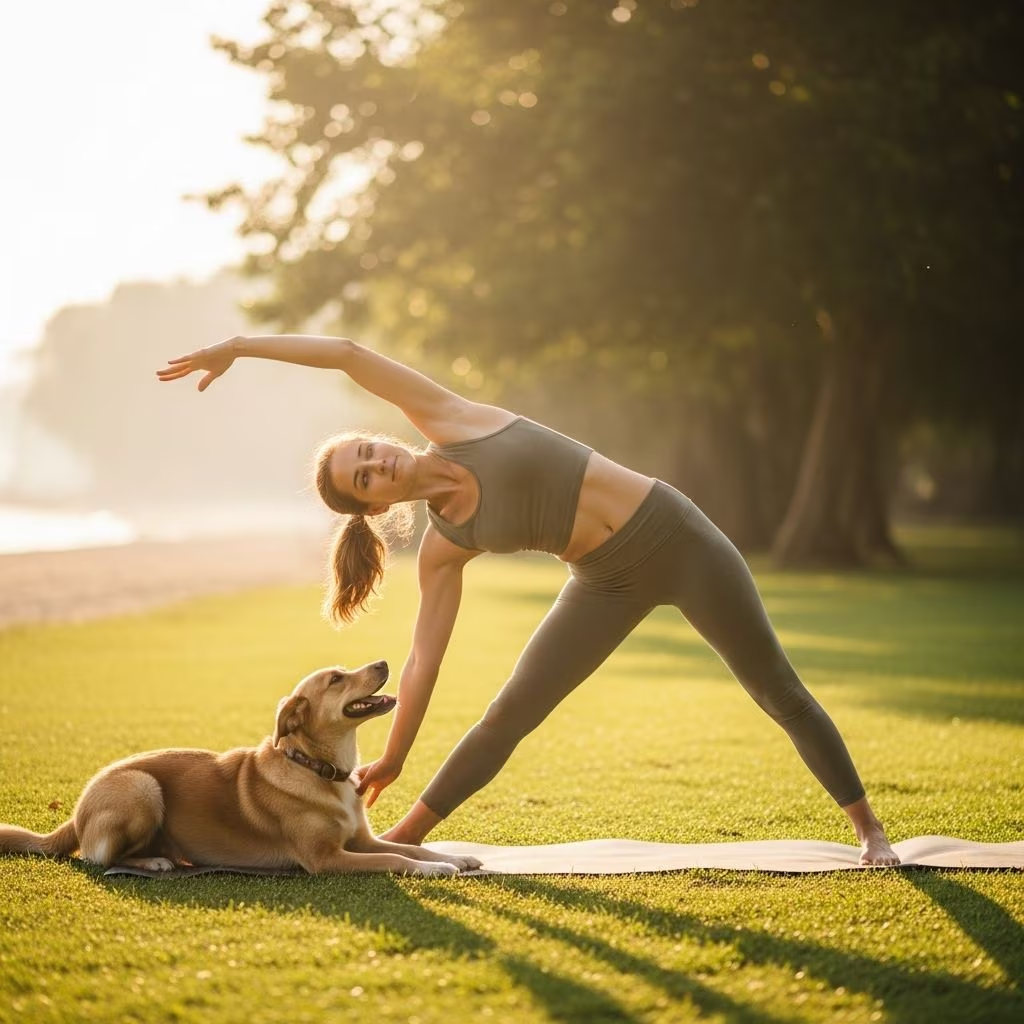
In today’s fast-paced world, finding moments of peace and connection can feel like a luxury. One increasingly popular way to achieve this while strengthening your relationship with your furry companion is through doga—a practice that combines traditional yoga with your beloved dog. Whether you’re an experienced yogi or new to yoga altogether, doga offers a unique opportunity to deepen your bond with your pet while enjoying the numerous physical and mental health benefits that yoga provides. This article explores the three primary benefits of practicing yoga with your dog and how this harmonious practice can transform both your life and your pet’s well-being.
Understanding Doga: What Is Dog Yoga?
Doga, or dog yoga, is a specialized form of yoga practice that incorporates your canine companion into traditional yoga poses and breathing exercises. Unlike traditional yoga, which focuses solely on individual practice, doga emphasizes the connection and interaction between you and your dog. The practice can take various forms—from simply having your dog nearby while you practice yoga to actively incorporating your pet into specific poses and movements that both of you can perform together.
The beauty of doga lies in its flexibility and accessibility. Dogs of all ages, sizes, and fitness levels can participate, making it an inclusive practice. Whether your dog is a young, energetic puppy or a senior dog with limited mobility, doga can be tailored to meet your pet’s specific needs and comfort level. The practice respects your dog’s individual personality and boundaries, recognizing that each dog will interact with yoga differently based on their temperament and physical capabilities.
Benefit 1: Relaxation, Mental Clarity, and Peace
One of the most immediate and profound benefits of doga is the deep sense of relaxation and mental clarity it brings to both you and your dog. If you already practice traditional yoga, you understand how it can transport you to a tranquil state of mind and significantly reduce stress. When you practice yoga with your dog, these calming effects are amplified and enriched.
As yoga instructors and doga practitioners often note, practicing yoga with your dog creates a uniquely peaceful experience. The act of sharing this mindful practice with your pet generates a doubled sense of calm. “With your dog, it doubles the calm because you’re sharing this experience together. It’s a very loving, peaceful and joyous experience,” explains those experienced in the practice. This shared tranquility extends beyond the individual benefits of yoga; it creates a harmonious atmosphere that encompasses both you and your beloved companion.
How Doga Promotes Mental Wellness
The mental health benefits of doga stem from several interconnected factors. First, yoga itself has been scientifically proven to reduce stress and anxiety through controlled breathing, mindful movement, and present-moment awareness. When you combine these proven benefits with the calming presence of your dog, the effects intensify. Your dog’s natural ability to live in the present moment—their lack of concern about past or future—can help you cultivate deeper mindfulness during your practice.
Additionally, the physical closeness and companionship of your dog during yoga releases oxytocin, often called the “feel-good” hormone. Studies have shown that positive interactions between dogs and humans increase oxytocin levels in both species, promoting feelings of bonding, trust, and emotional well-being. This biochemical response enhances the relaxation benefits of yoga, creating a synergistic effect that elevates your mental state beyond what traditional yoga alone might achieve.
The peaceful energy that dogs naturally embody can also serve as a mirror for your own practice. By observing your dog’s calm demeanor and present-focused attention, you can learn to release distractions and cultivate a deeper sense of inner peace. This shared meditation-like state during doga sessions creates a sanctuary of tranquility for both of you, offering an escape from the stress and demands of daily life.
Benefit 2: Strengthening Your Bond and Connection
Beyond the relaxation and mental clarity benefits, doga serves as an exceptional vehicle for deepening the emotional connection between you and your dog. Practicing yoga together creates a unique form of quality time that goes beyond typical pet interactions or exercise routines. This one-on-one engagement builds a relationship founded on trust, cooperation, and mutual understanding.
When you practice doga, you’re engaging in synchronized movement and shared intention with your pet. This coordinated activity creates what yogic traditions refer to as “union”—a harmonious connection between two beings. Unlike other activities where you and your dog might be doing separate things simultaneously, doga requires genuine interaction and presence with your pet. You’re reading your dog’s body language, responding to their comfort levels, and moving together in a choreography of peace and connection.
Building Trust Through Shared Practice
The trust-building aspect of doga is particularly significant. As you practice yoga poses with your dog, you’re communicating non-verbally and physically. Your dog learns to trust your guidance, and you develop a heightened awareness of your pet’s needs and boundaries. This mutual respect and understanding translate into a stronger overall relationship that extends beyond your yoga sessions into daily life.
Dogs, being intuitive creatures, are acutely sensitive to your emotional state and energy. When you’re calm, focused, and present during doga, your dog recognizes and mirrors this peacefulness. This positive reinforcement strengthens the bond between you, as your dog learns to associate your presence with safety, relaxation, and enjoyable experiences. Over time, this consistent positive association deepens your emotional connection and builds a foundation of trust that enriches your entire relationship with your pet.
Benefit 3: You Have the Ability to Help Your Dog
Perhaps one of the most rewarding aspects of doga is its therapeutic potential for your dog’s physical and emotional well-being. Whether your dog is anxious, aging, recovering from an injury, or simply struggling with behavioral challenges, doga can serve as a supportive complement to your dog’s overall health and wellness routine.
Physical Therapeutic Benefits
For dogs with joint issues, anxiety, or age-related limitations, doga offers a low-impact exercise option that promotes healing and comfort. The gentle stretching and controlled movements inherent in yoga practice can help maintain your dog’s flexibility, improve circulation, and reduce pain associated with joint stiffness or arthritis. Older dogs, in particular, benefit from doga because it provides physical activity without the high-impact stress of running or jumping.
If your dog has sustained a previous injury or has special medical needs, doga can be an excellent complementary therapy to work alongside any treatments recommended by your veterinarian. The practice can help maintain muscle tone during recovery periods and prevent secondary issues that sometimes develop when dogs limit their movement due to pain or fear.
Emotional and Behavioral Support
Beyond physical benefits, doga can help address behavioral and emotional challenges. Many behavioral issues in dogs stem from anxiety, excess energy, or attention-seeking behaviors. Doga addresses these root causes by providing focused attention, calm exercise, and stress relief—all within a structured, positive experience. Dogs who are prone to hyperactivity or anxiety often show marked improvement after regular doga sessions, becoming noticeably more relaxed and better behaved.
The practice can also serve as a form of behavioral modification. By spending dedicated, peaceful time with your dog during doga, you’re reinforcing positive behaviors and strengthening your leadership presence. Your dog learns that calm behavior is rewarded with your undivided attention and affection, naturally encouraging more relaxed and appropriate conduct.
Therapeutic Massage and Reflexology
An important component of doga involves massage and reflexology techniques adapted for dogs. During yoga practice, you can gently massage troubled areas on your dog’s body, helping to relieve tension, improve circulation, and promote healing. Reflexology—applying gentle pressure to specific points on your dog’s paws and body—can address various health concerns and promote overall balance and wellness.
These hands-on therapeutic elements are deeply beneficial for dogs, providing both physical relief and emotional comfort. The gentle touch of massage during doga communicates care and attention to your pet while delivering tangible health benefits. As practitioners emphasize, it’s definitely beneficial for the dog, as long as you’re not hurting them. Understanding your limits and possibly seeking guidance from a professional doga instructor is important, especially if this is your first time practicing.
Getting Started With Doga: Practical Tips
Assess Your Dog’s Readiness
Before beginning doga practice, assess your dog’s current state of health and temperament. Is your dog generally calm and responsive to handling? Does your dog enjoy spending quiet time with you? These are positive indicators that your dog may be receptive to doga. Conversely, if your dog is extremely anxious, aggressive, or has never been comfortable with gentle handling, you may want to work with a professional trainer first.
Finding a Professional Doga Class
For beginners, finding a doga class taught by an experienced instructor is highly recommended. Professional doga classes provide several advantages: you’ll learn proper techniques that ensure both your safety and your dog’s comfort, you’ll have an experienced guide to help you read your dog’s signals, and you’ll be in a controlled environment designed specifically for this practice. Additionally, group doga classes offer enrichment and socialization opportunities for your dog, as your pet interacts with other dogs and people in a calm, controlled setting.
Creating a Home Practice
Once you’ve attended a few classes and feel confident, you can establish a doga practice at home. Choose a quiet, comfortable space where you and your dog won’t be disturbed. Start with short sessions—even 10-15 minutes can be beneficial—and gradually increase duration as both you and your dog become more comfortable. Use positive reinforcement, including treats and verbal praise, to encourage your dog’s participation.
Reading Your Dog’s Body Language
Throughout your doga practice, continuously monitor your dog’s body language and comfort level. Signs that your dog is enjoying the experience include relaxed posture, soft eyes, and easy breathing. If your dog pulls away, squirms, or shows signs of stress or discomfort, respect their boundaries and stop the pose. Remember that doga should never be forced upon your dog. Each session should be entirely voluntary and enjoyable for your pet.
Special Considerations for Your Dog’s Health
Before introducing your dog to yoga, consult with your veterinarian, especially if your dog has sustained a previous injury, suffers from chronic health conditions, or has special medical needs. Your vet can provide guidance on which poses and movements are safe for your individual dog and may recommend modifications to ensure your dog’s safety and comfort.
It’s important to understand that while doga is beneficial, it should complement—not replace—professional veterinary care. If your dog is anxious, in pain, or suffering from behavioral issues, work with your vet and potentially a professional animal behaviorist to develop a comprehensive treatment plan that includes doga as one element of your dog’s overall wellness strategy.
Frequently Asked Questions
Q: Can puppies participate in doga?
A: Yes, puppies can participate in doga, though the practice should be very gentle and low-key. Young puppies have developing bones and joints, so poses should be modified to be even gentler than adult dog poses. Always consult your vet before beginning any exercise program with a puppy.
Q: Is doga suitable for large breed dogs?
A: Absolutely. Large breed dogs often benefit significantly from doga, especially as they age and develop joint issues. The low-impact nature of yoga makes it ideal for larger dogs that may struggle with high-impact exercise.
Q: How often should I practice doga with my dog?
A: Starting with one or two sessions per week is reasonable for beginners. As you and your dog become more comfortable with the practice, you can increase frequency. Many practitioners find that regular weekly sessions provide the best results for bonding and therapeutic benefits.
Q: Can dogs with anxiety benefit from doga?
A: Yes, dogs with anxiety often show significant improvement through regular doga practice. The calm environment, focused attention, and stress-reducing benefits of yoga can help anxious dogs become more relaxed and confident over time.
Q: What if my dog isn’t interested in doga?
A: Not every dog will be interested in or suited to doga, and that’s perfectly fine. Some dogs may prefer other forms of exercise and bonding. Respect your dog’s preferences and explore activities that genuinely interest your pet.
References
- The Benefits and Risks of Practicing Doga — Windy City Paws. 2024. https://windycitypaws.com/blog/the-benefits-and-risks-of-practicing-doga/
- What Is Dog Yoga? (& How to Get Started w/Your Dog) — Hill’s Pet Nutrition. 2024. https://www.hillspet.com/dog-care/play-exercise/what-is-dog-yoga
- The Benefits of Dog Yoga for Mental and Physical Wellness — Puppies Yoga. 2024. https://puppies-yoga.com/blogs/puppy-flow-journal/the-benefits-of-dog-yoga-for-mental-and-physical-wellness
- Curious about Doga? It’s worth checking out! — Ontario SPCA. 2024. https://ontariospca.ca/blog/curious-about-doga-its-worth-checking-out/
- How to Actually Do Doga: Yoga with Dogs — Dogsee Chew. 2024. https://www.dogseechew.in/blog/how-to-actually-do-doga-yoga-with-dogs
- Doga (yoga) — Wikipedia. 2024. https://en.wikipedia.org/wiki/Doga_(yoga)



