

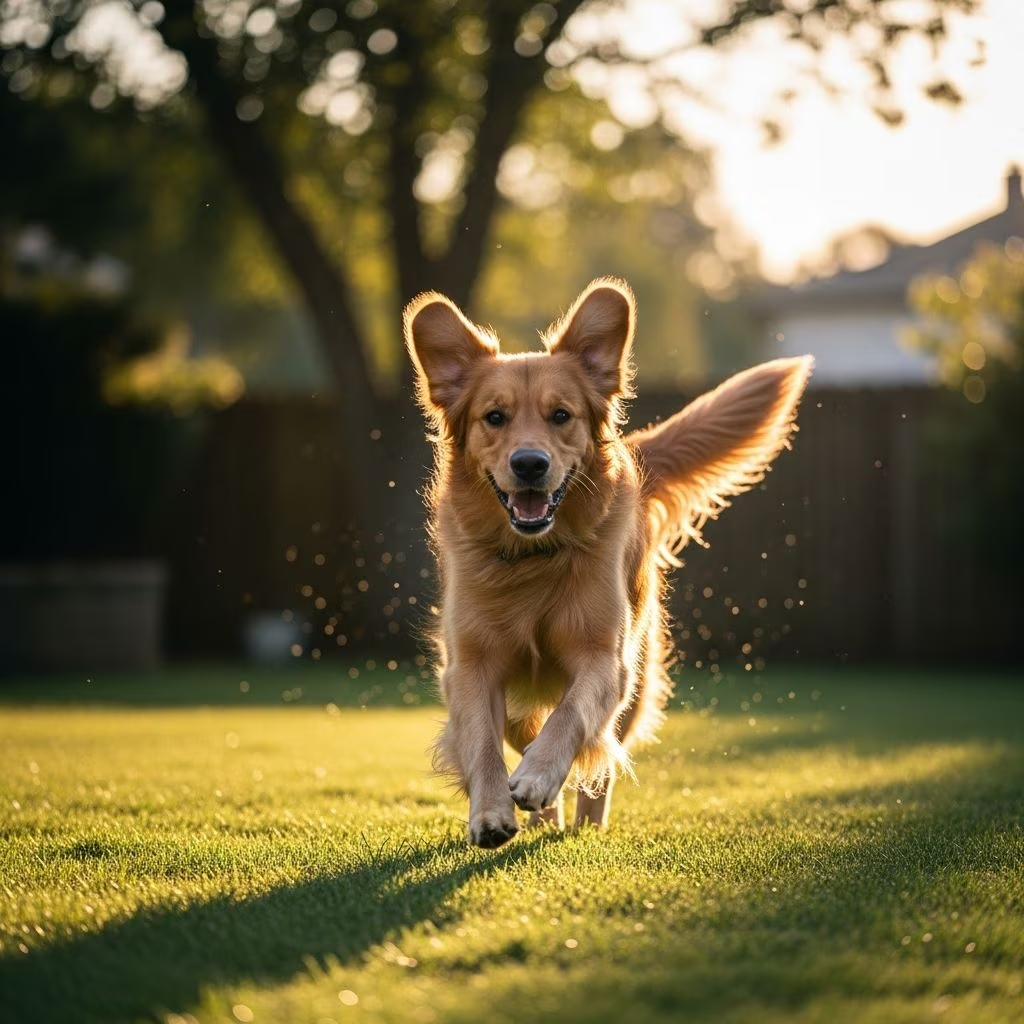
If you have ever watched your dog suddenly tear around the house, sprinting in wild circles with a gleam in their eyes, you have witnessed the famous dog zoomies. These sudden, intense bursts of energy can look chaotic or even alarming, but in most cases they are a normal, healthy part of canine behavior.
This guide explains what zoomies are, why they happen, how to tell normal play from a potential problem, and how to keep your dog safe when their silly side takes over.
What Are Dog Zoomies (FRAPs)?
Dog zoomies are technically known as Frenetic Random Activity Periods, often shortened to FRAPs. During a zoomie episode, dogs typically:
- Run at full speed, often in circles or in repeated back-and-forth sprints
- Have an excited, playful expression and loose, wiggly body language
- May crouch and suddenly burst forward like a spring
- Can dart around furniture, across the yard, or up and down hallways
These episodes usually last only a few minutes and then stop as suddenly as they began. Afterward, many dogs flop down, pant, and relax as if they have just finished a workout.
Common Signs You Are Seeing Zoomies
| Behavior | What It Looks Like |
|---|---|
| High-speed sprinting | Dog races around in circles or zigzags at top speed |
| Play bow starts | Dog lowers front legs, rear up, then launches into a run |
| Looping pattern | Dog repeats the same track through rooms or across the yard |
| Happy body language | Relaxed mouth, wagging tail, bouncy movement |
| Short duration | Usually over within a few minutes |
Why Do Dogs Get the Zoomies?
There is no single proven cause for zoomies, but behavior experts widely agree that they are a normal way for dogs to release pent-up physical or emotional energy. In other words, zoomies are your dog’s version of blowing off steam.
Typical Triggers for Zoomies
While zoomies can appear random, certain situations make them more likely.
- After periods of rest or confinement – Coming out of a crate, kennel, or long nap can lead to a sudden energy burst.
- After a bath or grooming – Many dogs sprint, roll, and rub on furniture to shake off water, relieve stress, or celebrate that bath time is over.
- During or after play – High excitement during games like fetch or chase can spill over into intense zoomies.
- When you come home – Dogs often zoom to express joy and relief when their favorite person returns after time away.
- After using the bathroom – Some dogs zoom after pooping, possibly from physical relief or simple excitement.
- In the evening – Many puppies and young dogs get a “late-night crazies” burst before finally settling down.
Age and Energy Level Matter
Puppies and adolescent dogs experience zoomies more frequently than older dogs, mainly because they have higher energy levels and less impulse control. As dogs mature, zoomies often become less frequent and shorter, though some high-energy breeds may keep them well into adulthood.
Are Zoomies Normal or Something to Worry About?
In most healthy dogs, zoomies are considered normal, natural behavior and are often a sign of a dog that is energetic, playful, and comfortable in their environment.
However, there are times when you should look more closely at what is behind these outbursts.
When Zoomies Are a Good Sign
- Your dog’s body language looks happy and loose: relaxed mouth, soft eyes, wiggly body.
- Zoomies happen occasionally, not constantly, and usually at predictable times (after rest, in the evening, after a bath).
- Your dog can settle down afterward without difficulty.
- No one is getting hurt, and your dog is not crashing into furniture or people.
When Zoomies May Signal a Problem
Excessive or poorly timed zoomies can sometimes indicate that your dog’s needs are not being fully met, or that they are feeling stressed or overwhelmed.
- Very frequent zoomies – Repeated intense sessions throughout the day can suggest insufficient exercise or mental stimulation.
- Zoomies in highly stressful contexts – If zoomies follow fear triggers (loud noises, frightening interactions, unfamiliar environments), they may reflect stress release rather than joy.
- Frantic, wide-eyed movement – Very tight body language, tucked tail, or frantic running into objects can indicate anxiety rather than playful fun.
- Inability to calm down – If your dog struggles to settle at all after zoomies, it may point to underlying emotional or behavioral issues.
Zoomies themselves are not recognized as a symptom of attention-deficit or hyperactivity disorders in dogs, but some experts note that extreme frenetic activity can reflect emotional overload in sensitive dogs.
How to Keep Your Dog Safe During Zoomies
Even when zoomies are normal, safety should always be your first priority. Fast running in tight spaces can lead to slips, falls, or collisions.
Create a Safe Zoomie Zone
- Choose open spaces – Encourage zoomies in a fenced yard or a large, open room with minimal obstacles.
- Clear hazards – Move fragile items, secure lamps, and ensure rugs are non-slip to reduce the risk of falls.
- Watch for slippery floors – Wood, tile, or laminate floors can be dangerous for high-speed running. Use rugs or guide your dog to safer terrain.
- Supervise around children and seniors – Zooming dogs can unintentionally knock people over.
What to Do (and Not Do) in the Moment
- Do stay calm – Yelling or chasing your dog can increase their arousal and extend the zoomies.
- Do redirect to a safer area – If possible, call your dog toward a safer space or toss a toy in that direction.
- Do let them finish – As long as everyone is safe, allowing a short zoomie burst is usually the easiest and healthiest option.
- Do reward calm – When your dog slows down or lies down, quietly reward them with gentle praise or a treat for settling.
- Don’t physically grab or corner – This can startle your dog, cause collisions, or even trigger defensive reactions.
Managing and Reducing Excessive Zoomies
If zoomies feel overwhelming or are happening too often, you can adjust your dog’s routine to better meet their needs.
Increase Physical Exercise
Many dogs zoom when they have more energy than they can use in their regular routine. Consider:
- Longer or more frequent walks appropriate for your dog’s age and health
- Off-leash running in safe, fenced areas
- Interactive games like fetch, tug, or flirt-pole play
- Dog sports such as agility, flyball, or canicross for athletic dogs
Boost Mental Enrichment
Mental exercise can tire dogs out just as effectively as physical activity.
- Use puzzle feeders or slow-feeding bowls at mealtimes
- Teach new tricks or practice obedience cues for short, fun sessions
- Provide scent games, like hiding treats around a room or yard
- Offer safe chew toys or food-stuffed toys to help them decompress
Support Anxious or Stress-Related Zoomies
If you suspect your dog’s zoomies are tied to stress or fear, focus on reducing triggers and building a sense of safety.
- Identify stressors – Note when episodes occur (after grooming, loud noises, visitors) and look for patterns.
- Make triggering events easier – Use gradual desensitization and rewards to help your dog feel better about baths, grooming, or nail trims.
- Create a calm space – A quiet room, crate (if your dog likes it), or cozy corner can serve as a safe retreat.
- Maintain a predictable routine – Regular feeding, walks, and play times help many dogs feel more secure.
- Consider professional help – If stress or anxiety seems intense or persistent, consult a veterinarian or certified behavior professional.
When to Talk to a Veterinarian or Behavior Expert
Most zoomies do not require medical attention, but there are times when professional advice is wise.
- Your dog’s zoomies are so frequent and intense that they disrupt daily life.
- Your dog appears fearful, disoriented, or distressed during or after episodes.
- There are other behavior changes: pacing, vocalizing, restlessness, aggression, or withdrawal.
- Your dog is older and suddenly starts having unusual bursts of frenetic activity.
- Your dog has a medical condition (joint problems, heart issues) and you are concerned about vigorous running.
A veterinarian can rule out medical causes and may refer you to a veterinary behaviorist or a certified trainer for a tailored behavior plan.
Frequently Asked Questions (FAQs)
Q: Are dog zoomies a sign my dog is happy?
Zoomies often occur when dogs feel playful, excited, or relieved, so in many cases they do reflect positive emotions and a sense of comfort. However, similar bursts can also appear when a dog is releasing nervous energy after a stressful event, so context and body language matter.
Q: How often is too often for zoomies?
Occasional zoomies—once a day, a few times a week, or in predictable situations—are typically normal. If your dog has several intense zoomie sessions every day, or seems unable to relax without constant high-speed bursts, it may indicate that they need more structured exercise, mental enrichment, or support for underlying stress.
Q: Can I stop zoomies once they start?
You usually cannot and should not try to abruptly stop zoomies through restraint or scolding. Instead, focus on safety: guide your dog into a safer space if you can, remove obstacles, and wait for the burst to pass. When your dog begins to slow down, calmly reward them for settling so they learn that relaxing also pays off.
Q: Do all dogs outgrow zoomies?
Many dogs experience fewer and shorter zoomie episodes as they mature, especially after they have a consistent exercise routine. Still, some adult and even senior dogs continue to enjoy occasional zoomies throughout life, particularly if they are naturally energetic or playful.
Q: Are zoomies dangerous for my dog?
Zoomies themselves are not harmful for a healthy dog, but fast running in small or cluttered spaces can lead to slips, falls, or collisions that cause injuries. Provide as much open, grippy space as possible, supervise closely around children or older adults, and talk to your vet if your dog has health issues that limit safe vigorous activity.
References
- Why Do Dogs Get the Zoomies? — Pet Assure. 2021-06-15. https://www.petassure.com/maxscorner/why-do-dogs-get-the-zoomies/
- Dog Zoomies Explained: Healthy Play or Hidden Anxiety? — Maven Pet. 2023-08-10. https://maven.pet/all-about-pets/pet-health/dog-behaviors/dog-zoomies-explained/
- Why Your Dog Gets the Zoomies — Animal Wellness Magazine. 2022-04-05. https://animalwellnessmagazine.com/dog-zoomies/
- Dog Zoomies: Playful Fun or Risky Hyperactivity? — PawLabs. 2023-03-20. https://pawlabs.co/a/blog/dog-zoomies-playful-fun-or-risky-hyperactivity
- Why Do Dogs Get Zoomies? Understanding Your Dog’s Energy Bursts — Wholesomes Pet Food. 2023-05-02. https://wholesomespetfood.com/why-do-dogs-get-zoomies-understanding-your-dogs-energy-bursts/
- Dog Zoomies: Why They Get Hyper and Run in Circles — ThinkJinx. 2022-09-12. https://www.thinkjinx.com/blogs/news/dog-zoomies-why-they-get-hyper-and-run-in-circles
- Dog Behavior Guide: All About the Dog Zoomies — Paw CBD. 2021-11-19. https://www.pawcbd.com/blogs/posts/dog-behavior-guide-all-about-the-dog-zoomies
- Cat and Dog Zoomies Explained: Why Your Pet Gets Random Bursts of Energy — PetPlace. 2020-09-01. https://www.petplace.com/article/general/pet-behavior-training/cat-and-dog-zoomies-explained
- Are Zoomies a Sign of a Happy Dog or a Crazy One? — Psychology Today (Stanley Coren). 2023-02-10. https://www.psychologytoday.com/us/blog/canine-corner/202302/are-zoomies-a-sign-of-a-happy-dog-or-a-crazy-one



