

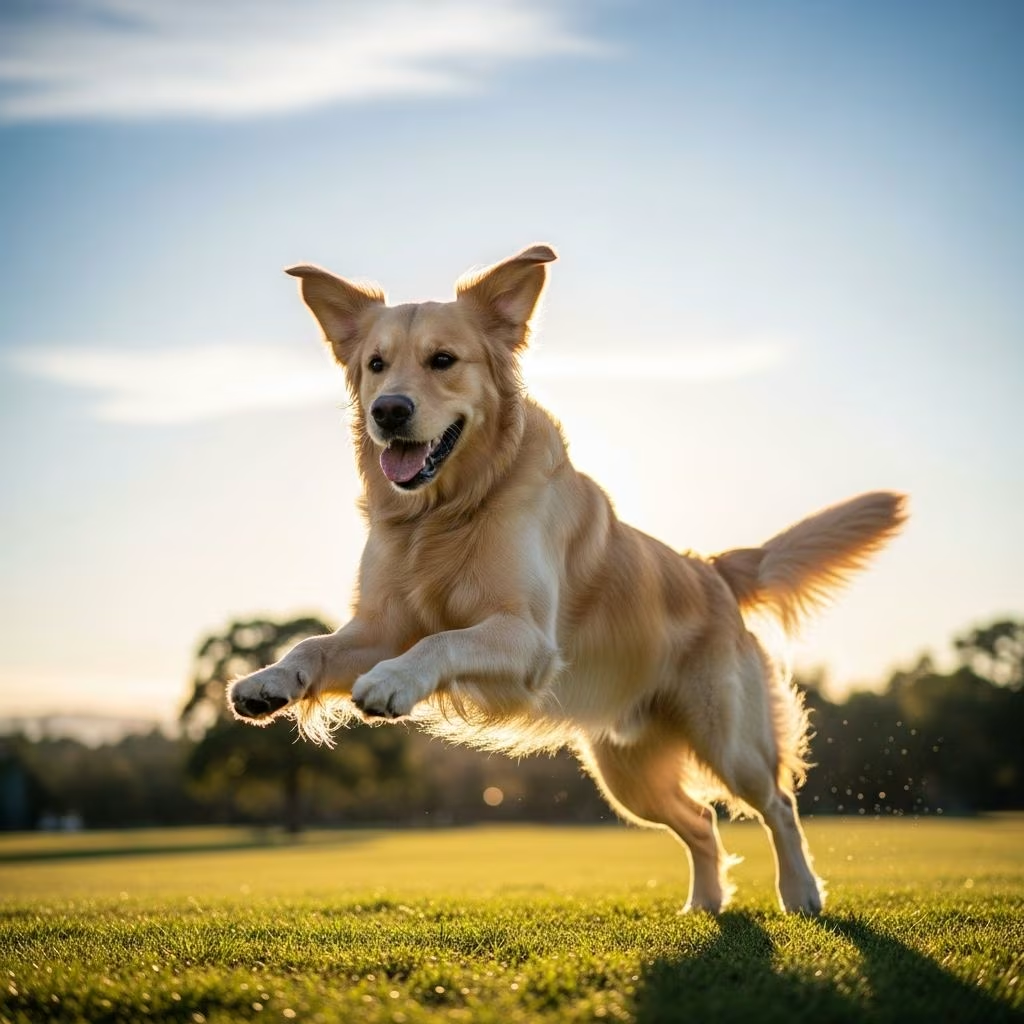
Dog zoomies, scientifically termed Frenetic Random Activity Periods (FRAPs), represent sudden, explosive displays of speed and agility where dogs race around in circles, make sharp turns, or dart unpredictably. These episodes typically last from a few seconds to several minutes and serve as a natural outlet for built-up energy or emotions.
Recognizing the Hallmarks of Canine Zoomies
Spotting zoomies is straightforward due to their distinctive physical cues. Dogs often adopt a hunched posture with a tucked rear for optimal velocity, flattened ears streaming back, and a wide, playful grin exposing teeth. Raised hackles along the back may appear, not from aggression but excitement, while the tail wags vigorously. Bouncing gaits, sudden spins, and play bows—front legs extended low with rear elevated—frequently punctuate these frenzied runs.
- Frantic sprinting: High-speed laps around rooms, yards, or parks.
- Tight pivots: Abrupt direction changes resembling a race car.
- Bouncy movement: Exaggerated leaps and bounds for propulsion.
- Facial expressions: Bright eyes, open mouth, tongue lolling in delight.
- Body signals: Arched back, playful bows inviting interaction.
These behaviors differentiate zoomies from mere play, marking them as an intense, self-directed release.
Primary Catalysts Driving Zoomie Episodes
Zoomies arise from a blend of physiological needs and emotional states. Understanding triggers empowers owners to anticipate and guide these outbursts constructively.
Surplus Physical Energy
High-energy breeds like Border Collies, Huskies, or Labrador Retrievers, and energetic puppies, accumulate vitality without sufficient outlets. Insufficient daily exercise—ideally 30-120 minutes depending on age and breed—leads to these compensatory explosions. Indoor confinement or leashed walks that limit full exertion exacerbate the buildup.
Emotional Highs and Excitement Peaks
Joy from reunions after absences, post-meal satisfaction, or the end of stimulating events like walks sparks euphoric dashes. The homecoming “zoomies” embody pure elation, as dogs celebrate your return with acrobatic displays.
Stress and Tension Discharge
Not all zoomies signal happiness; some vent anxiety from vet visits, baths, grooming, or overstimulation. Confined during walks or crated, dogs store tension that erupts upon freedom. Wide eyes and erratic paths distinguish stress-induced from playful ones.
| Trigger Type | Common Scenarios | Typical Signs |
|---|---|---|
| Energy Release | After naps, long indoor days | Playful grin, relaxed body |
| Excitement | Owner returns, play ends | Tail wags, bows |
| Stress Relief | Post-bath, vet aftermath | Wide eyes, frantic pace |
Zoomies Across Life Stages: Puppies to Seniors
Puppies exhibit zoomies most prolifically due to boundless vigor and developmental changes. Their incomplete impulse control amplifies these into frequent, prolonged sessions. Adults maintain the habit, particularly high-drive breeds, triggered by routine events.
Seniors experience rarer but notable episodes, potentially linked to cognitive decline, sensory loss (hearing, vision), or conditions like hyperthyroidism in cats—though analogous issues in dogs warrant vet checks. Persistent or altered zoomies in older dogs merit professional evaluation.
Safety First: Hazards of Unchecked Zoomies
While endearing, zoomies pose risks like collisions with furniture, slips on floors, or injuries from sharp turns. Outdoor dashes near roads invite traffic dangers. Indoor episodes might damage belongings or lead to accidental bites amid excitement.
Preventive steps include clearing spaces, using baby gates, or directing to safe zones like fenced yards. Supervision ensures these bursts remain harmless fun.
Strategies to Harness and Moderate Zoomies
Channeling zoomies enhances well-being without suppression, as they fulfill innate needs.
- Boost Routine Exercise: Incorporate fetch, agility drills, or runs to preempt buildup. Aim for breed-specific durations.
- Mental Enrichment: Puzzle toys, training sessions, scent games tire minds, reducing physical overflows.
- Safe Outlets: Designate zoomie zones—hallways or yards—and initiate with cues like “go wild!”
- Post-Trigger Routines: After baths or walks, lead to calm activities like chews to ease down.
- Ignore Attention-Seeking: Avoid reinforcing by chasing; wait for settlement before engaging.
Consistency transforms chaotic episodes into predictable, enjoyable rituals.
Distinguishing Normal Fun from Red Flags
Benign zoomies feature relaxed demeanors and self-resolution. Concerning patterns include constant hyperactivity, aggression during episodes, limping post-run, or pairings with appetite loss, lethargy, or vocal distress. These suggest pain, neurological issues, thyroid imbalances, or behavioral disorders needing veterinary or trainer input[10].
Track frequency, duration, triggers via journals to spot trends. Sudden increases in adults or seniors prompt health screenings.
Frequently Asked Questions About Dog Zoomies
Are zoomies harmful to my dog?
Occasional zoomies pose no threat to healthy dogs. Frequent or intense ones risk injury; mitigate with safe spaces and monitoring.
Why do puppies get more zoomies?
Puppies possess higher energy reserves and developing brains, making bursts a primary expenditure method.
Can zoomies indicate health problems?
Typically not, but in seniors or with other symptoms, they may signal cognitive dysfunction or metabolic issues.
How to stop zoomies on command?
Don’t suppress; redirect with commands, toys, or calm environments post-episode.
Do all dogs experience zoomies?
Most do, especially young or active ones, though low-energy breeds show them less.
Embracing Zoomies as Part of Canine Joy
Zoomies illuminate dogs’ vibrant spirits, blending instinct with emotion. By recognizing triggers and providing outlets, owners foster balanced lives. These moments, far from madness, celebrate the exuberance defining our companions.
References
- What are zoomies? — Cornell University College of Veterinary Medicine. 2023. https://www.vet.cornell.edu/departments-centers-and-institutes/riney-canine-health-center/canine-health-information/what-are-zoomies
- Why Do Dogs Get the Zoomies? — PetMD. 2024-01-15. https://www.petmd.com/dog/behavior/why-do-dogs-get-the-zoomies
- Pet Zoomies Explained — The Bluffs Pet Clinic. 2023. https://www.bluffspetclinic.com/blog/pet-zoomies-explained/
- How to manage your dog’s zoomies — ManyPets. 2024. https://manypets.com/us/blog/how-to-manage-dog-zoomies/
- Are Zoomies a Sign of a Happy Dog or a Crazy One? — Psychology Today. 2023-02-14. https://www.psychologytoday.com/us/blog/canine-corner/202302/are-zoomies-a-sign-of-a-happy-dog-or-a-crazy-one



