

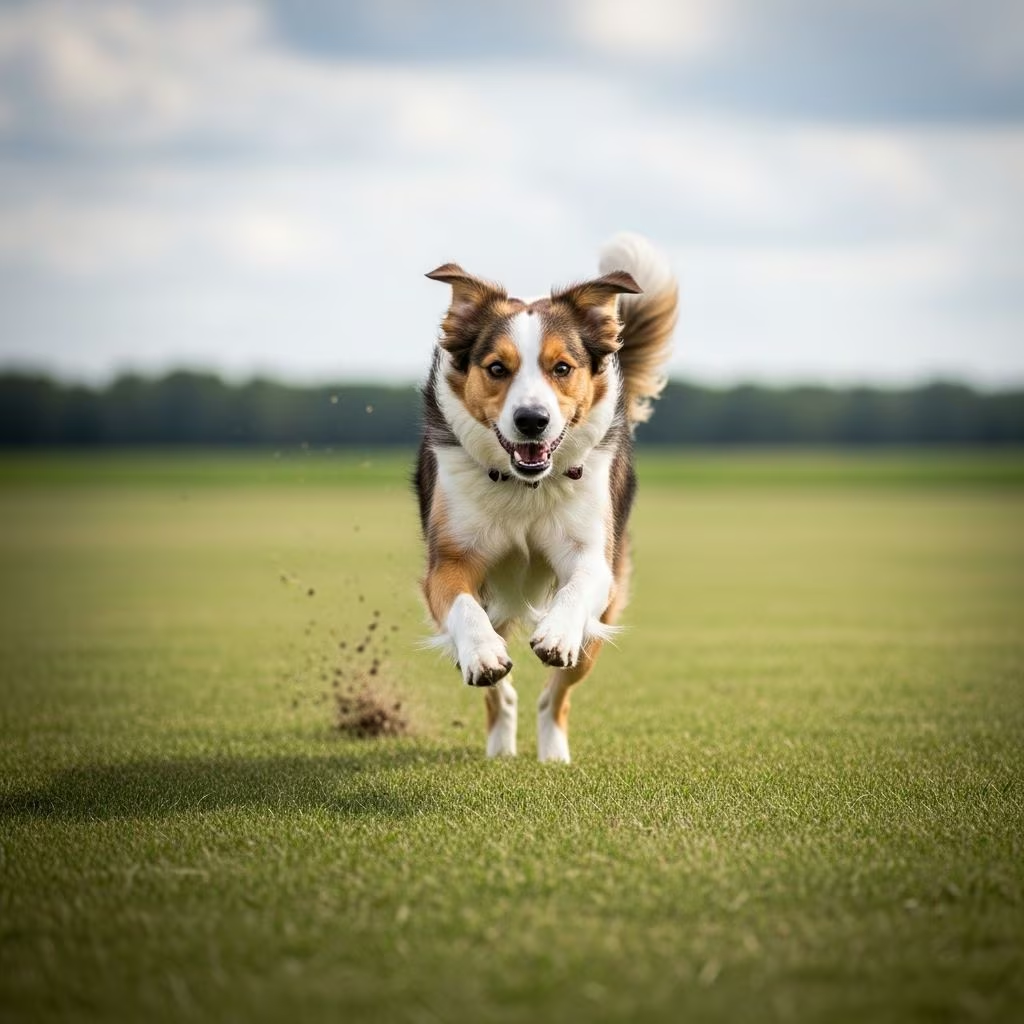
Dog zoomies, scientifically termed Frenetic Random Activity Periods (FRAPs), are those exhilarating moments when your dog races around in circles, spins, or dashes wildly with a gleeful expression. These episodes typically last 30 seconds to a couple of minutes and serve as a natural outlet for a dog’s physical and emotional state.
Defining the Phenomenon: What Exactly Are Zoomies?
Zoomies manifest as sudden, high-speed sprints often accompanied by a low, crouched posture for aerodynamics, playful bows, or even rubbing against surfaces. Unlike purposeful play, they appear random and uncontrollable, resembling a pressure valve releasing built-up tension.
Experts note that FRAPs occur across all ages but peak in puppies due to their developmental energy needs. Adult dogs might display them post-confinement or during heightened arousal, while seniors could experience milder versions tied to residual excitement.
Primary Triggers Behind Canine Zoomies
Several factors provoke these bursts, blending joy, necessity, and instinct. Understanding them helps owners respond appropriately rather than reacting with concern.
Overflowing Excitement and Joy
When dogs feel euphoric—such as upon your return home or during greetings—zoomies erupt as a celebration. This mirrors human jumping for joy, channeling overwhelming happiness into motion.
Pent-Up Physical Energy
Without sufficient outlets like walks or play, energy accumulates, prompting explosive release. High-drive breeds like Border Collies or Labs are prone, especially after naps or indoor days.
Post-Bath or Grooming Euphoria
The sensory overload of water, shampoo, and toweling often culminates in zoomies as dogs shake off discomfort and revel in freedom. Rubbing on carpets follows to self-dry and soothe skin.
Stress and Overstimulation Relief
Paradoxically, anxiety from vet visits, crates, or loud noises can trigger FRAPs as a coping mechanism. The activity calms the nervous system, much like pacing in stressed humans.
Wake-Up or Post-Relief Rushes
After sleeping, pooping, or walks, dogs transition from rest to action with vigor. A bowel movement, in particular, prompts celebratory laps due to relief.
When Zoomies Signal a Healthy Pup
Occasional FRAPs indicate a content, energetic dog thriving on stimulation. Puppies under two years zoom most frequently as part of growth, tapering with maturity.
- Playful body language: Wagging tail, relaxed ears, play bows.
- Short duration: Under two minutes, ending calmly.
- Contextual timing: After positive events like play or reunions.
These align with normal canine behavior, supported by veterinary observations.
Potential Concerns: When to Monitor or Intervene
Not all zoomies are benign. Excessive frequency or intensity may highlight unmet needs or issues.
| Normal Zoomies | Concerning Zoomies |
|---|---|
| Infrequent (1-2x/day), playful | Multiple daily sessions, frantic |
| Follows exercise or fun | Occurs without triggers, at night |
| Relaxed post-zoom | Panting heavily, avoidance |
Frequent episodes suggest insufficient exercise, boredom, or anxiety. Breeds with high energy demands require tailored routines.
Breed and Age Variations in Zoomie Frequency
Genetics influence propensity. Herding and terrier breeds zoom more due to work-drive heritage, while brachycephalic types like Bulldogs less so.
- Puppies: Daily, growth-related.
- Adults: Situational, post-activity.
- Seniors: Rare, often excitement-based.
Practical Strategies to Channel and Manage Zoomies
Redirect energy constructively to prevent chaos.
Boost Daily Exercise Regimens
Aim for 30-60 minutes of vigorous activity: fetch, runs, or agility. Mental games like puzzle toys prevent under-stimulation.
Incorporate Routine and Predictability
Scheduled walks reduce pent-up tension. Crate training with breaks minimizes confinement-induced bursts.
Grooming and Bath Tips
Use positive reinforcement, warm water, and immediate play post-bath to ease transitions. Desensitize gradually.
Safe Spaces for Release
Designate fenced yards or long-leash areas for safe zooming. Indoor redirection via tug toys works well.
Training Techniques
Teach “settle” cues during calm moments. Reward calm behavior to build impulse control.
Health Checks: Ruling Out Medical Causes
Rarely, zoomies mask issues like allergies, pain, or neurological conditions. Sudden onset in older dogs warrants a vet visit, especially with symptoms like limping or disorientation.
Consult if accompanied by aggression, incontinence, or lethargy between episodes.
Common Myths About Dog Zoomies Debunked
- Myth: Zoomies mean my dog is hyperactive/disobedient. Fact: They’re instinctual, not defiance.
- Myth: Only puppies get them. Fact: All ages do, variably.
- Myth: Punish to stop. Fact: Redirection is key; punishment heightens stress.
Frequently Asked Questions (FAQs)
Are dog zoomies harmful?
Generally no, but supervise to avoid injury on slippery floors or furniture crashes.
How to stop zoomies on command?
Use treats for sit/stay; consistency builds control over time.
Do all dogs get zoomies?
Most do, but low-energy breeds less frequently.
Zoomies at night: Normal?
Often from evening energy peaks; add daytime exercise.
Can zoomies indicate anxiety?
Yes, if paired with pacing or whining—consider professional behaviorists.
Long-Term Benefits of Embracing Your Dog’s Zoomies
Viewing FRAPs as communication fosters stronger bonds. Owners who accommodate natural outbursts report happier, less destructive pets. Track patterns in a journal to personalize care.
Integrate zoomie time into play, turning potential mayhem into bonding. High-energy dogs flourish with outlets matching their vitality.
References
- What Are Zoomies? — Cornell University College of Veterinary Medicine. 2023. https://www.vet.cornell.edu/departments-centers-and-institutes/riney-canine-health-center/canine-health-information/what-are-zoomies
- Why Do Dogs Get the Zoomies? — PetMD. 2024. https://www.petmd.com/dog/behavior/why-do-dogs-get-the-zoomies
- Dog Zoomies Explained: Healthy Play or Hidden Anxiety? — Maven Pet. 2024. https://maven.pet/all-about-pets/pet-health/dog-behaviors/dog-zoomies-explained/
- Dog Zoomies: Why They Get Hyper and Run In Circles — Jinx Pet Food. 2023. https://www.thinkjinx.com/blogs/news/dog-zoomies-why-they-get-hyper-and-run-in-circles
- What Your Dog’s Zoomies Really Mean — Latchkey Pets. 2024. https://latchkeypets.com/what-your-dogs-zoomies-mean/
- Why Do Dogs Get Zoomies? Understanding Your Dog’s Energy Bursts — Wholesome Pet Food. 2024. https://wholesomespetfood.com/why-do-dogs-get-zoomies-understanding-your-dogs-energy-bursts/
- Dog Zoomies Explained – Why Dogs Dash — Physicians Mutual. 2023. https://www.physiciansmutual.com/web/community/article-title/born-to-randomly-run-dog-zoomies-explained



