

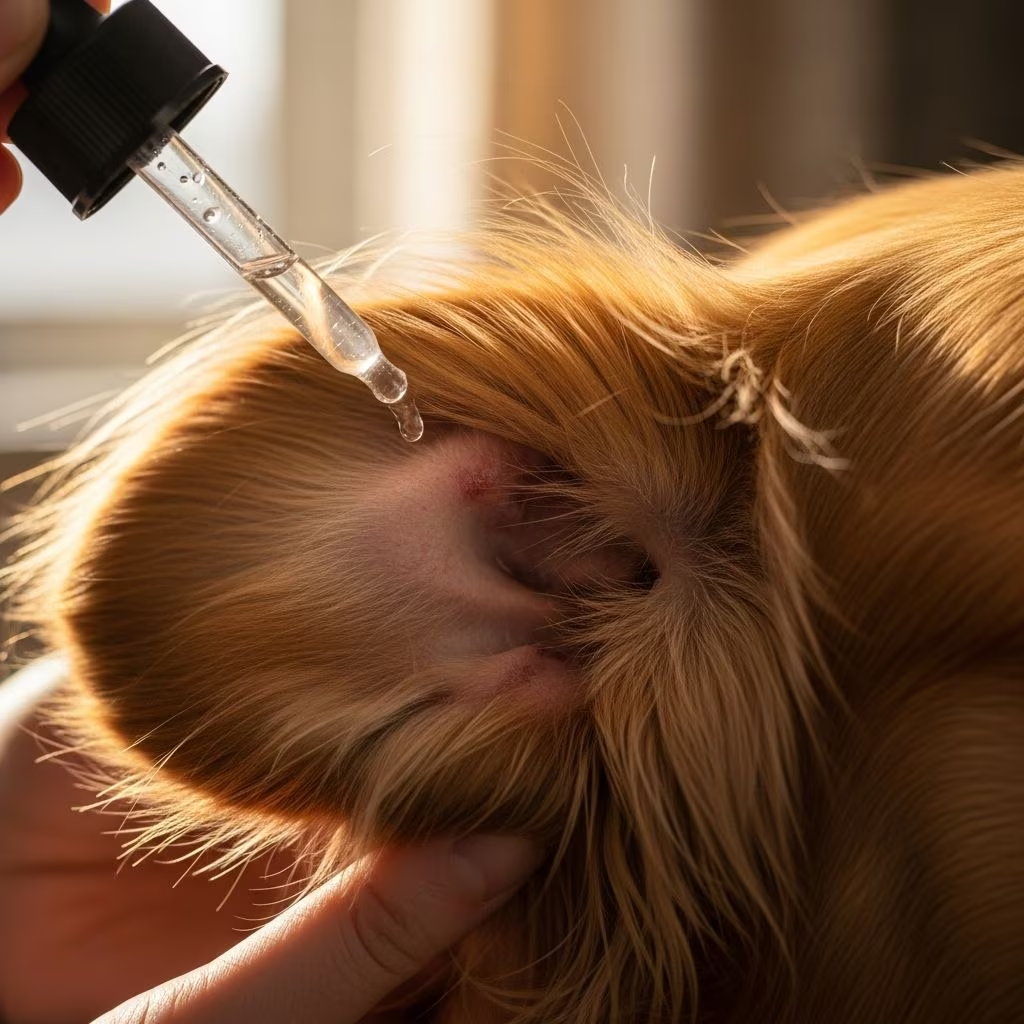
Yeast infections in dogs are common skin conditions caused by an overgrowth of yeast, typically Candida or Malassezia, leading to itching, redness, and odor. While veterinary care is essential for diagnosis and severe cases, many pet owners seek home remedies to manage mild symptoms and support recovery. These natural approaches focus on antifungal properties, skin pH balance, and gut health to combat yeast proliferation effectively.
What Is a Yeast Infection in Dogs?
A yeast infection occurs when naturally occurring yeast on a dog’s skin multiplies uncontrollably, often due to warm, moist environments like skin folds, ears, or paws. Unlike bacterial infections, yeast thrives in acidic conditions and produces a distinctive musty, bread-like smell. Common sites include ears, paws, armpits, groin, and between toes, where moisture accumulates.
Symptoms progress from mild itching to severe inflammation if untreated. Early intervention with home remedies can prevent escalation, but always confirm with a vet via skin scraping or cytology to rule out allergies or other issues.
Symptoms of Yeast Infection in Dogs
Recognizing symptoms early is crucial for timely home treatment. Key signs include:
- Intense itching, licking, or chewing affected areas
- Red, inflamed, greasy skin with a yeasty or sweet odor
- Thickened, discolored skin (black or brown hyperpigmentation)
- Hair loss in patches, often crusty or scaly
- Ear infections with head shaking, dark discharge, and pain
- Oozing or moist lesions in skin folds
These symptoms mimic allergies or bacterial infections, so professional diagnosis ensures accurate home remedy application.
Causes of Yeast Infections in Dogs
Yeast overgrowth stems from imbalances disrupting skin’s natural flora. Primary causes are:
- High-carbohydrate diets: Sugar feeds yeast; processed kibble often exacerbates this.
- Moisture and humidity: Wet ears, paws, or folds trap yeast.
- Weakened immunity: From allergies, hypothyroidism, or stress.
- Antibiotic overuse: Kills good bacteria, allowing yeast dominance.
- Breeds prone: Cocker Spaniels, Basset Hounds, Pugs with floppy ears or folds.
Addressing root causes like diet alongside remedies yields best results.
Diagnosis of Yeast Dermatitis in Dogs
Vets diagnose via visual exam, history, and tests like skin cytology (tape prep showing yeast buds) or fungal culture. Rule out demodex mites or ringworm. Homeowners shouldn’t self-diagnose fully but can note symptoms for vet discussion before remedies.
Treatment Options for Yeast Infections in Dogs
Treatments combine medical and home approaches. Vets prescribe antifungal shampoos (ketoconazole, miconazole), oral meds (fluconazole), or wipes. Home remedies complement these for mild cases or maintenance.
| Treatment Type | Description | Frequency |
|---|---|---|
| Medicated Shampoo | Chlorhexidine or antifungal; lather 10-15 mins | 2-3x/week |
| Oral Antifungals | Prescription for systemic infection | As directed |
| Topical Creams | Clotrimazole for localized spots | Daily |
Home Remedies for Yeast Infections in Dogs
Safe home remedies target yeast directly while soothing skin. Consult vet first, especially for open wounds.
Coconut Oil
Virgin coconut oil’s lauric acid kills yeast without harming beneficial bacteria. Apply thinly to affected areas twice daily; it moisturizes and heals scratches from itching. Internally, 1/4 tsp per 10lbs body weight supports gut health.
Apple Cider Vinegar (ACV) Rinse
ACV restores skin pH (yeast hates acid). Mix 1:1 with water; spray or rinse paws/ears daily. Avoid broken skin to prevent sting. Bath additive: 1 cup per gallon water.
Aloe Vera
Pure aloe gel cools inflammation and fights yeast mildly. Apply 2-3x daily; ensure dog-safe, non-toxic formula. Combine with coconut oil for enhanced effect.
Probiotics and Yogurt
Boost gut flora to prevent systemic yeast. Plain, unsweetened yogurt (1-2 tbsp daily) or dog probiotics restore balance. Fermented veggies like sauerkraut aid too.
Other Topicals
- Oregano Oil: Dilute 1 drop in 1 tsp coconut oil; potent antifungal.
- HOCL Spray: Kills fungi safely multiple times daily.
- Witch Hazel/Hydrogen Peroxide: Gentle astringents for drying moist areas.
Dietary Changes to Prevent Yeast Overgrowth
Diet is pivotal; yeast feeds on sugar/carbs.
- Switch to low-carb, high-protein kibble or fresh foods: leafy greens, sweet potatoes, lentils.
- Avoid grains/sugars; add antifungals like pumpkin seeds.
- Supplements: Omega-3s reduce inflammation; immune boosters.
Sample Daily Diet Table (for 50lb dog):
| Meal | Ingredients | Portion |
|---|---|---|
| Breakfast | Yogurt + probiotics + chicken | 1 cup |
| Dinner | Turkey, greens, sweet potato | 2 cups |
| Treats | Coconut oil + veggies | 1 tbsp |
Grooming and Hygiene Tips
Daily grooming prevents moisture buildup.
- Bathe weekly with antifungal shampoo; dry thoroughly.
- Clip hair in folds; clean paws/ears post-walks.
- Massage oils in; exercise boosts immunity.
Prevention Strategies for Recurrent Yeast Infections
Proactive steps minimize recurrence:
- Maintain dry skin: fans in humid areas.
- Regular vet checkups for allergies.
- Balanced diet + probiotics lifelong.
- Monitor high-risk breeds closely.
Frequently Asked Questions (FAQs)
Q: Can home remedies cure severe yeast infections?
A: No, severe cases need vet-prescribed meds; home remedies support mild or preventive care.
Q: Is coconut oil safe for all dogs?
A: Yes, in moderation; avoid if diarrhea occurs. Use organic virgin.
Q: How long do home remedies take to work?
A: 1-2 weeks for improvement; full resolution 4-6 weeks with consistency.
Q: Can yeast infections spread between dogs?
A: Rarely; mainly environmental, but clean shared items.
Q: What’s the smell like?
A: Musty, yeasty, like corn chips or Fritos.
Final Thoughts
Managing dog yeast infections requires holistic care: remedies, diet, hygiene. Consistency and vet partnership ensure itch-free, healthy skin. Early action prevents chronic issues, letting your pup thrive.
References
- Is There A Dog Yeast Infection Home Remedy? — PetLab Co. 2024. https://thepetlabco.com/learn/dog/health-wellness/dog-yeast-infection-home-remedy
- The Ultimate Guide to Treating Dog Skin Yeast Infection — HICC Pet. 2024. https://hiccpet.com/blogs/dogs/the-ultimate-guide-to-treating-dog-skin-yeast-infection-symptoms-causes-and-effective-home-remedies
- Yeast Infections: Dog Care Guide & Home Remedies — VetMedX. 2024. https://vetmedx.co.za/yeast-infections-dog-care-guide-with-home-remedies/
- A Guide for the Treatment of Dog Yeast Infections — WOpet. 2024. https://wopet.com/treatment-of-dog-yeast-infections/
- How to get rid of yeast infections in dogs — Furnatura. 2024. https://www.furnatura.com/en-US/blog/how-to-get-rid-of-yeast-infections-in-dogs



