
Dog Wound Licking: Benefits and Risks
Explore why dogs instinctively lick their wounds, the potential healing benefits of saliva, and serious risks like infection spread that demand immediate intervention.
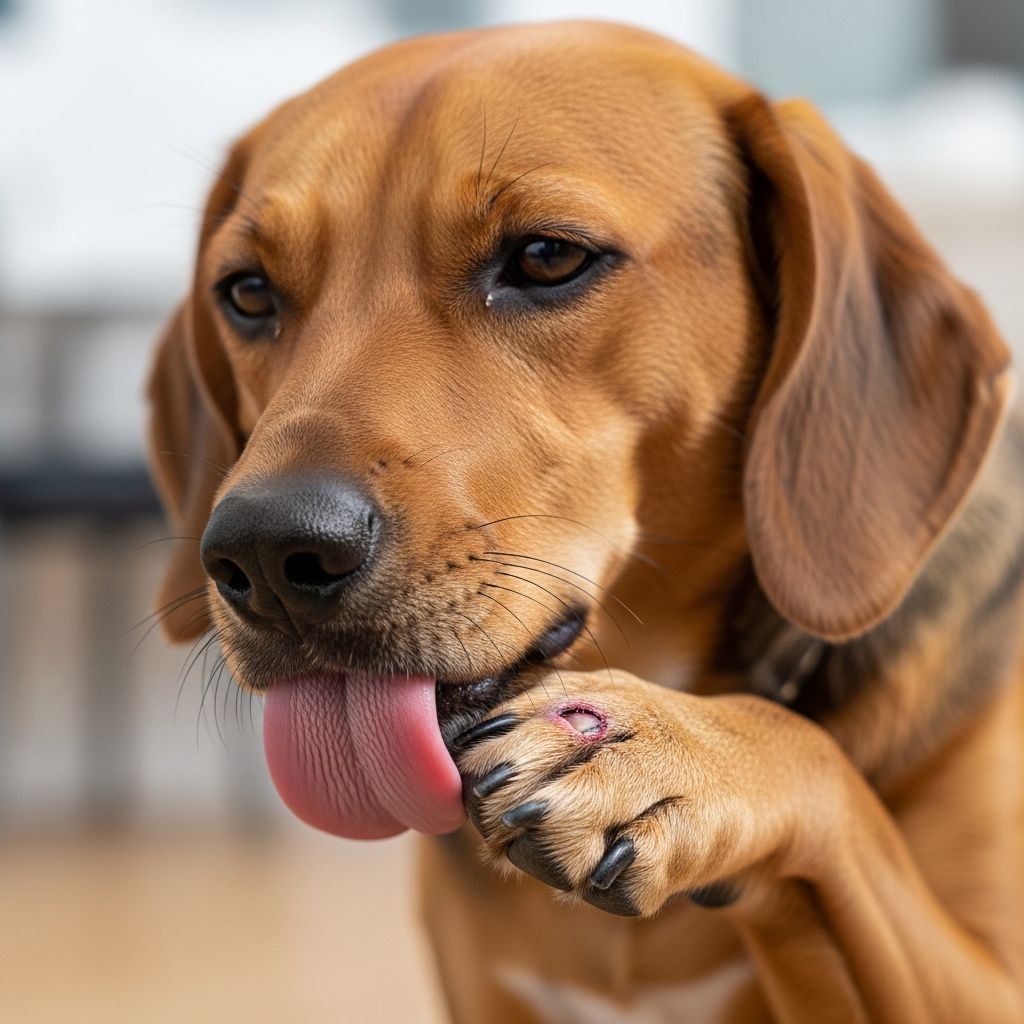
Dogs instinctively lick their wounds as a natural response to injury, driven by evolutionary behaviors that provide short-term relief and minor cleaning. While canine saliva offers limited antibacterial properties, excessive licking often introduces harmful bacteria, delays healing, and leads to complications like infections or lick granulomas.
The Natural Instinct Behind Wound Licking
From wild ancestors to modern pets, licking wounds is a hardwired behavior in canines. This action stems from survival mechanisms where animals use their tongues to address injuries immediately after they occur. In the wild, prompt cleaning removes debris that could foster bacterial growth, giving the animal a better chance at recovery.
Domestic dogs retain this trait, responding to any skin disruption—be it a cut, surgical incision, or insect bite—with tongue contact. The rough texture of a dog’s tongue acts like a natural scrub, dislodging dirt, hair, and dead skin cells from the injury site. This mechanical cleaning can prevent minor contaminants from embedding deeply into tissues during the initial stages of injury.
- Pain Alleviation: Licking stimulates nerve endings, releasing endorphins that mask discomfort, similar to how humans rub a bumped elbow.
- Sensory Exploration: Dogs investigate changes in their body through taste and smell, with wound fluids providing distinct signals that prompt investigation.
- Grooming Habit: Routine self-grooming extends to injuries, blending hygiene with injury response.
Potential Advantages of Canine Saliva
Dog saliva contains enzymes such as lysozyme and lactoperoxidase, which exhibit mild antimicrobial effects against certain bacteria. These compounds break down bacterial cell walls, potentially reducing surface pathogens on fresh wounds. Research indicates saliva can inhibit growth of some common microbes, offering a biological defense in resource-scarce environments.
Additionally, saliva promotes a moist environment that supports early-stage healing by encouraging cell migration across the wound bed. For superficial scratches, this can accelerate scab formation without intervention. However, these benefits are confined to brief, light licking and diminish rapidly with repetition.
| Saliva Component | Function | Limitations |
|---|---|---|
| Lysozyme | Breaks bacterial walls | Ineffective against all strains |
| Lactoferrin | Binds iron, starves bacteria | Low concentration in dogs |
| Proteases | Clears debris | Can degrade healthy tissue if excessive |
Dangerous Downsides of Unchecked Licking
While initial licks may help, prolonged licking transforms a helpful instinct into a major hazard. Dog mouths harbor pathogens like Pasteurella, Staphylococcus, and E. coli, which saliva introduces directly into open wounds. This recontamination cycle exacerbates inflammation, turning minor injuries into festering sores.
Constant moisture from saliva prevents the wound from drying and forming a protective scab, stalling the proliferation phase of healing. Friction from the tongue erodes new tissue, widening the injury and inviting deeper infections such as abscesses. In surgical cases, licking can disrupt sutures, leading to dehiscence where the incision fully reopens.
Attraction to Infected Areas
Infected wounds emit stronger odors from pus and bacterial byproducts, drawing intensified licking. Heat and moisture amplify itchiness, creating a vicious loop where the dog licks more to soothe, further aggravating the site. This behavior is particularly pronounced in lower limbs, accessible during rest.
Complications from Excessive Licking
Lick Granulomas Explained
Chronic licking often results in lick granulomas, also known as acral lick dermatitis. These are thickened, ulcerated lesions typically on front legs, formed from relentless trauma. The cycle begins with itch or pain, prompting licking that releases endorphins, reinforcing the habit compulsively.
Physical triggers include allergies, arthritis, or infections; psychological factors like anxiety or boredom compound the issue. Over time, the site becomes hairless, red, and infected, requiring multifaceted treatment.
- Allergies or parasites cause initial itch.
- Joint pain from arthritis prompts habitual licking.
- Anxiety leads to obsessive patterns mimicking OCD.
Healing Disruptions and Infections
Normal wound healing progresses through hemostasis, inflammation, proliferation, and remodeling. Licking arrests this at inflammation, prolonging redness, swelling, and pus discharge. Vulnerable dogs—seniors, diabetics, or those with immune deficits—face heightened risks of systemic spread.
Recognizing Problematic Licking
Monitor for these indicators that licking has crossed into harmful territory:
- Matted, saliva-soaked fur around the site.
- Brownish porphyrin stains on light coats from saliva.
- Persistent redness, swelling, or non-healing edges.
- Hair loss or thickened, raised skin.
- Obvious pus, foul odor, or lameness.
Early detection prevents escalation; consult a vet if signs persist beyond 24-48 hours.
Effective Prevention and Management Strategies
Intervene promptly to safeguard healing. The cornerstone is physical barriers denying tongue access.
- Elizabethan Collar (E-Collar): Classic cone prevents reach; soft fabric versions improve comfort.
- Inflatable Collars: Neck pillow alternatives for milder cases.
- Bodysuits or Bandages: Cover wounds on torso or limbs securely.
- Bitter Sprays: Topical deterrents with aversive tastes.
Clean wounds daily with vet-recommended antiseptics like chlorhexidine. For infections, antibiotics target specific bacteria identified via culture. Address root causes: allergy testing, pain meds for arthritis, or behaviorists for anxiety.
Treatment Table for Common Issues
| Issue | Treatment | Prevention |
|---|---|---|
| Fresh Wound | Clean, bandage, e-collar | Supervise post-injury |
| Infection | Antibiotics, drainage | Stop licking immediately |
| Lick Granuloma | Steroids, behavior mod, laser therapy | Enrich environment, reduce stress |
When to Seek Veterinary Help
Never delay professional care for deep punctures, large gashes, or post-surgical sites. Signs warranting urgent visits include fever, lethargy, refusal to eat, or rapid worsening. Vets may perform debridement, imaging, or biopsies for granulomas.
Preventive routines like routine grooming and health checkups minimize injury risks overall.
FAQs on Dog Wound Licking
Is it okay for my dog to lick a small cut?
Brief licking may clean superficial wounds, but restrict access within hours to avoid complications.
How long before licking becomes dangerous?
After 10-15 minutes, risks outweigh benefits; use barriers proactively.
Can lick granulomas heal on their own?
Rarely; they require intervention to break the lick cycle and treat underlying causes.
Are some dogs more prone to excessive licking?
Yes, breeds like Labradors or those with allergies/anxiety show higher tendencies.
What home remedies deter licking?
Vet-approved bitter sprays or socks over bandages work short-term; e-collars are most reliable.
References
- Why Do Dogs Lick Infected Wounds? — Sustainable Vet. 2023. https://www.sustainablevet.org/blog/why-do-dogs-lick-infected-wounds
- Lick Granuloma in Dogs — PetVet Care Centers. 2024-05-15. https://www.petvetcarecenters.com/site/blog/2024/05/15/lick-granuloma-dogs
- Why do dogs lick their wounds? — The Royal Kennel Club. 2023. https://www.royalkennelclub.com/health-and-dog-care/health-dog-care/health/health-and-care/a-z-of-health-and-care-issues/why-do-dogs-lick-their-wounds/
- Why is my dog licking so much that a sore spot forms — River Landings Animal Clinic. 2023. http://www.riverlandingsanimalclinic.com/news/why-is-my-dog-licking-so-much-that-a-sore-spot-forms
- Lick Granuloma in Dogs — VCA Animal Hospitals. 2024. https://vcahospitals.com/know-your-pet/lick-granuloma-in-dogs
- Why do Dogs Lick their Wounds — Indy Veterinary Care. 2023. https://indyvetcare.com/why-do-dogs-lick-their-wounds/
Similar Articles








Read full bio of medha deb




