

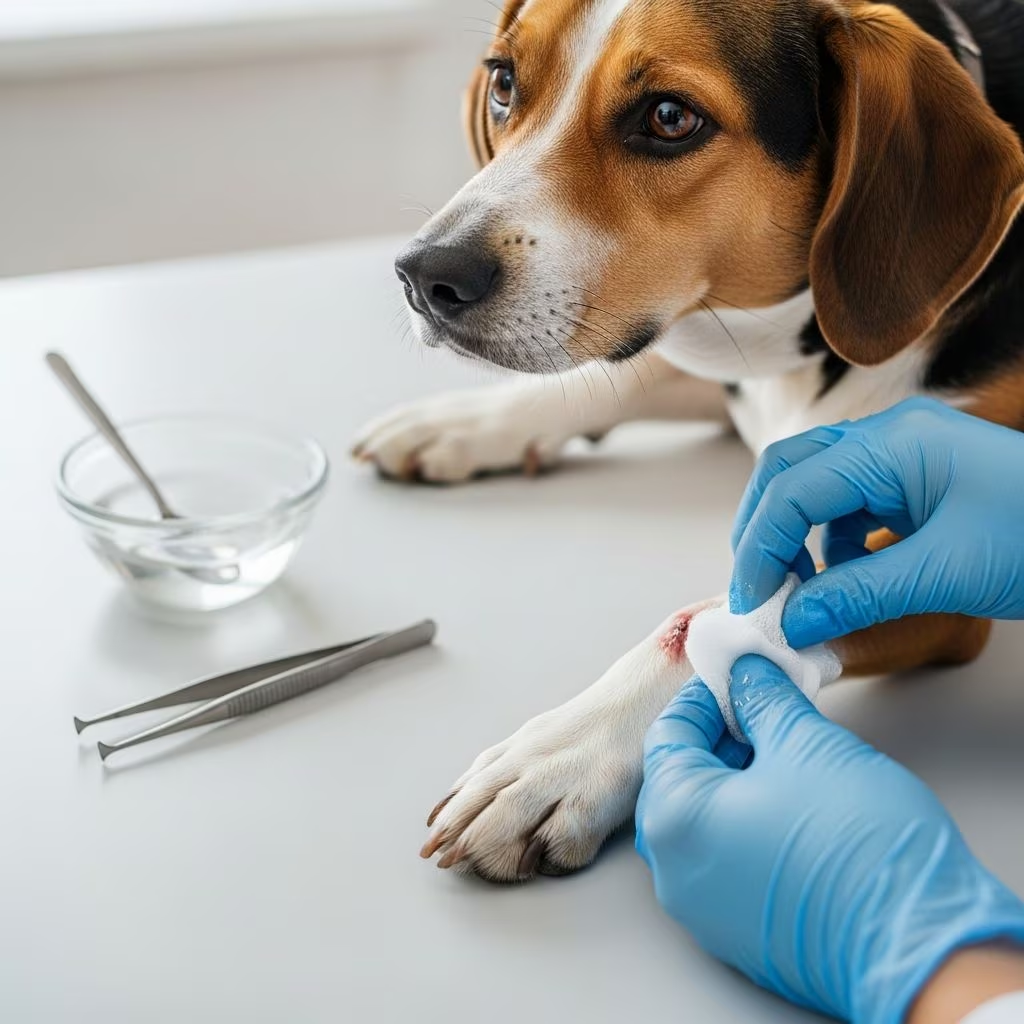
Quickly addressing a dog’s cut or graze can prevent complications and promote faster healing. This guide outlines safe home care steps for minor injuries while emphasizing when professional intervention is essential.
Recognizing Different Types of Dog Injuries
Dogs frequently sustain wounds from play, accidents, or encounters with sharp objects. Common injuries include superficial scrapes, deeper lacerations, puncture wounds from bites, abrasions on paws, and thermal burns. Superficial scrapes often appear as surface-level skin breaks with minimal bleeding, while deeper cuts expose tissue and bleed steadily. Puncture wounds, especially from other animals, carry high infection risk due to embedded bacteria. Paw injuries frequently involve debris like glass or thorns, complicating cleaning. Burns from hot surfaces or chemicals require gentle handling to avoid further tissue damage.
Essential First Aid Kit for Your Dog
Prepare a dedicated kit to handle emergencies efficiently. Stock these vetted items:
- Clean towels or gauze pads for pressure application.
- Pet-safe antiseptic like 2% chlorhexidine solution.
- Saltwater ingredients: salt and boiled water.
- Antimicrobial ointment approved for pets.
- Sterile bandages, self-adhesive wraps (e.g., VetWrap), and scissors.
- Tweezers for debris removal.
- Spray bottle or large syringe for flushing.
- Muzzle and e-collar to prevent interference.
- Electric clippers for fur trimming.
Keep the kit in an accessible location and check expiration dates regularly.
Immediate Response: Assessing and Stabilizing the Injury
Upon discovering a wound, first ensure your dog’s overall condition. Check for signs of shock like pale gums, rapid breathing, or lethargy; if present, wrap in a blanket and contact a vet immediately. Assess the wound: minor if small, shallow, and not heavily bleeding; serious if deep, gushing blood, exposing bone/muscle, or containing foreign objects.
Controlling Bleeding
Apply firm, direct pressure using a clean cloth or gauze for 5-10 minutes without peeking, as this allows clotting. Elevate the limb if possible. For heavy arterial bleeding (bright red spurting), maintain pressure and seek emergency care without delay. A pressure bandage can temporarily secure the site en route to the clinic.
Thorough Cleaning Procedures
Cleaning removes contaminants critical for healing. For small wounds not actively bleeding, flush with lukewarm tap water, saline (1 tsp salt per pint boiled/cooled water), or chlorhexidine solution. Use a syringe to gently irrigate, directing flow across the wound for 5-10 minutes or until clear. Avoid hydrogen peroxide, alcohol, or harsh soaps, as they damage healthy tissue and delay recovery.
Trim fur around the area with clippers (not scissors to prevent cuts) to expose the site fully. Use lubricant on blades to avoid overheating skin. For paw pads, soak in a basin of solution to dislodge debris; inspect closely with magnification if needed.
Applying Protective Treatments and Bandages
After drying gently, apply a thin layer of pet-safe antibiotic ointment to deter bacteria. Cover with sterile non-stick gauze, then padding like cotton roll for cushioning, secured by elastic wrap. Bandage snugly to immobilize but not restrict circulation—check toes for warmth and color hourly. Change daily or if soiled.
| Wound Location | Bandaging Tips |
|---|---|
| Paw or Leg | Use padded wrap; ensure flexibility for walking. |
| Torso or Tail | Stockinette tube or custom wrap; monitor slippage. |
| Head/Face | Light gauze only; e-collar essential. |
Preventing Self-Trauma During Recovery
Dogs instinctively lick or chew wounds, introducing saliva bacteria and delaying healing. Use a basket muzzle for short sessions, allowing panting. An Elizabethan (e-collar) collar deters access effectively; inflatable alternatives suit anxious dogs. Bodysuits or booties protect limbs. Supervise constantly and distract with toys.
Monitoring Progress and Infection Warning Signs
Inspect twice daily: clean with saline, reapply ointment, and re-bandage. Normal healing shows decreasing redness and swelling within 48 hours. Infection indicators include:
- Increased heat or swelling.
- Pus, foul odor, or bloody discharge.
- Excessive licking/pain.
- Fever, lethargy, or appetite loss.
If unchanged after 3 days or worsening, consult a vet for antibiotics or debridement.
When to Rush to the Veterinarian
Home care suits superficial wounds <1 inch, but escalate for:
- Persistent bleeding beyond 10 minutes.
- Deep punctures, especially bites.
- Foreign bodies or exposed tissues.
- Joints/tendons involved.
- Systemic signs like vomiting or collapse.
Vets may sedate for thorough cleaning, culture infections, prescribe meds, or suture under sterile conditions.
Special Considerations for Common Wound Types
Bite Wounds
Often underestimated, these harbor deep bacteria. Flush aggressively; even small punctures warrant vet evaluation due to abscess risk.
Burns and Bruises
Cool burns with saline (not ice directly); bruises get cold compresses (ice-wrapped towel, 10 mins). Monitor for blistering or necrosis.
Paw Pad Abrasions
Soak and pad heavily; dogs favor injured paws, risking imbalance injuries.
Long-Term Healing Support
Nutrition aids recovery: high-protein diets with omega-3s reduce inflammation. Keep activity low for 7-14 days. Follow-up exams ensure scar tissue forms properly. Chronic lickers may need behavior consults.
Frequently Asked Questions
Can I use human Neosporin on my dog?
Pet-specific versions lack toxic zinc bacitracin; consult vet first.
How long should a minor cut take to heal?
3-7 days with proper care; longer signals issues.
Is hydrogen peroxide safe for dog wounds?
No—it kills good cells and slows healing.
What if my dog removes the bandage?
Reapply with e-collar; persistent removal needs professional restraint options.
Do all wounds need antibiotics?
Only if infected; overuse breeds resistance.
References
- First aid for wounds, cuts and grazes – PDSA — PDSA. 2020-04. https://www.pdsa.org.uk/pet-help-and-advice/pet-health-hub/medications/first-aid-for-cuts-and-grazes
- Step-By-Step Wound Care for a Dog at Home and When to Call the Vet — Bond Vet. N/A. https://bondvet.com/blog/step-by-step-wound-care-for-a-dog-at-home-and-when-to-call-the-vet
- Dog Wound Care: Complete Guide — Coastal Care Vets. 2024-04-12. https://www.coastalcarevets.ca/site/blog/2024/04/12/dog-wound-care
- First Aid Basics for Dog Wound Care — VSCOT. 2022-03-15. https://www.vscot.com/site/blog/2022/03/15/first-aid-dog-wound-care
- Care of Open Wounds in Dogs — VCA Animal Hospitals. N/A. https://vcahospitals.com/know-your-pet/care-of-open-wounds-in-dogs
- Dog First Aid Guide — CHUV. 2021. https://chuv.umontreal.ca/wp-content/uploads/sites/2/2021/02/FirstAidGuide_V2021.pdf



