
Dog Wound Care Guide
Master essential steps for treating your dog's injuries at home and know when professional veterinary help is crucial for optimal recovery.
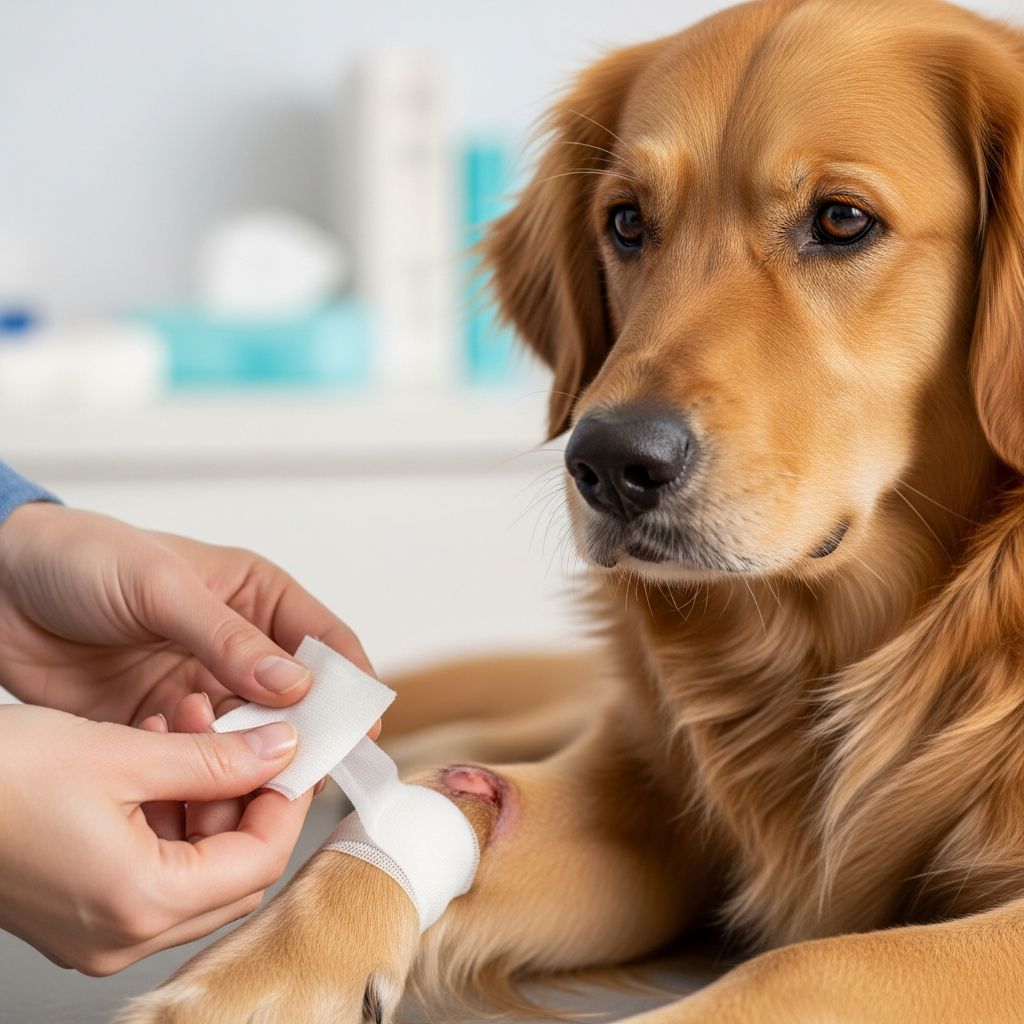
Proper management of injuries in dogs can significantly influence recovery outcomes and prevent complications. This guide provides pet owners with practical, step-by-step instructions drawn from veterinary recommendations to handle common wounds effectively.
Recognizing Types of Dog Injuries
Dogs frequently sustain cuts, scrapes, punctures, or abrasions during play, walks, or accidents. Superficial wounds affect only the skin’s outer layer, while deeper lacerations may involve muscle or fat. Puncture wounds from bites or sharp objects pose higher infection risks due to trapped bacteria. Paw pad injuries are common from rough terrain or glass shards, often appearing as splits or tears that bleed profusely.
Assess the injury’s severity by its depth, location, and bleeding extent. Shallow cuts under 1 cm with minimal oozing can often be managed at home, but anything deeper, on the face, chest, abdomen, or joints requires immediate veterinary attention.
Safety Measures Before Treatment
Always prioritize safety for both you and your dog. An injured pet may react with pain-induced aggression, so use a muzzle if your dog is prone to snapping, especially around the face or mouth. Secure your dog in a calm, non-slip area to prevent further injury during handling.
- Confine movement to avoid worsening the wound.
- Gather supplies: clean towels, gloves, saline solution, tweezers, antiseptic, and bandages.
- Wash your hands thoroughly or wear disposable gloves.
Step-by-Step Initial Wound Cleaning
Begin by gently removing visible dirt, fur, or foreign materials like thorns or glass. For paw wounds, immerse the foot in a bowl of lukewarm water; for body wounds, use a gentle stream from a sink or hose. Add a teaspoon of mild dish soap or baby shampoo to loosen debris without irritating tissues.
Avoid hydrogen peroxide, alcohol, or iodine directly on the wound, as these damage healthy cells and delay healing. Instead, opt for saline (1 teaspoon salt per 2 cups warm water) or vet-recommended chlorhexidine dilutions. Pat dry with a clean gauze or towel—never rub.
| Wound Location | Cleaning Method | Additional Tips |
|---|---|---|
| Paw Pads | Soak in bowl of warm soapy water | Swish gently for 5 minutes; dry thoroughly to prevent slipping |
| Body/ Legs | Run lukewarm water in bath/shower | Support dog to minimize stress; use handheld sprayer |
| Head/Face | Damp cloth or minimal saline rinse | Muzzle first; seek vet if near eyes/mouth |
Controlling Bleeding Effectively
Most minor wounds clot naturally within minutes, but apply firm pressure using a clean cloth or gauze pad for 5-10 minutes without peeking. Elevate the limb if possible to reduce blood flow. If bleeding persists beyond 10 minutes or soaks through multiple layers, it indicates a vessel injury—rush to an emergency vet.
Leave embedded objects in place to avoid deeper damage; cover loosely and seek professional removal under sedation. For arterial bleeding (spurting bright red blood), apply a tourniquet only as a last resort and note the time for the vet.
Applying Protective Bandages
Once clean and dry, apply a thin layer of pet-safe antibiotic ointment like those containing bacitracin, avoiding steroid-based products that suppress immunity. Cover with non-stick gauze, then wrap with self-adherent vet wrap—snug but not tight (you should fit two fingers underneath). Change daily or if wet/soiled.
Paw bandages require extra care: cover toes to prevent swelling but expose the top for ventilation. Monitor for slippage, especially in active dogs. For hard-to-bandage areas like tails or ears, use a stockinette or light dressing.
Preventing Licking and Further Trauma
Dogs instinctively lick wounds, introducing saliva bacteria and delaying healing. Use an Elizabethan collar (cone), inflatable collar, or recovery suit immediately. Bitter-tasting sprays can deter chewing but are less reliable. Supervise closely and restrict activity—no jumps, runs, or rough play during recovery.
Daily Monitoring and Aftercare Routine
Inspect the wound twice daily for progress. Healing stages include inflammation (redness/swelling first 2-3 days), proliferation (pink granulation tissue), and remodeling (scarring over weeks). Clean gently each check and re-bandage as needed.
Administer prescribed antibiotics or pain meds exactly as directed—never skip doses. Limit baths until healed, and keep the area dry.
- Normal: Mild swelling decreasing after day 3, clear fluid.
- Concerning: Heat, pus, foul smell, lethargy, refusal to eat.
Signs That Demand Veterinary Intervention
Not all wounds heal at home. Contact a vet if:
- Bleeding uncontrolled after 10 minutes of pressure.
- Wound deeper than 1/2 inch, gaping, or exposing fat/muscle.
- Infection signs: spreading redness, pus, fever over 102.5°F.
- Foreign body embedded or bite wound from unknown animal.
- Dog limps severely, shows pain on touch, or wound near joints/eyes.
- No improvement after 48 hours or worsening.
Vets may debride under anesthesia, suture, drain, or prescribe stronger meds. Deep wounds often need imaging or cultures.
Understanding the Healing Timeline
Superficial wounds close in 7-14 days; deeper ones take 3-6 weeks. Factors like age, nutrition, diabetes, or immune issues prolong recovery. Support with a high-protein diet, omega-3 supplements, and rest. Scars fade over months but may remain visible.
Post-healing, apply sunscreen to pink scars to prevent sunburn during walks.
Common Myths in Dog Wound Care
Myth: Peroxide cleans best. Fact: It kills bacteria but also good cells.
Myth: Tight bandages speed healing. Fact: They cut circulation, causing swelling.
Myth: All licks are harmful. Fact: Occasional licks aid minor wounds, but chronic licking worsens them.
Preventing Future Injuries
Minimize risks with booties on rough hikes, regular paw checks after outings, and fencing to prevent fights. Train recall to avoid traffic hazards. Keep vaccines current, especially rabies for bite prevention.
Frequently Asked Questions
How do I know if my dog’s wound is infected?
Look for increased redness, swelling, yellow/green discharge, bad odor, or if your dog seems painful/lethargic. These warrant a vet visit.
Can I use human Neosporin on my dog?
Plain triple antibiotic (bacitracin/neomycin/polymyxin) is usually safe in thin layers, but avoid versions with pain relievers like pramoxine, which can be toxic if licked.
How long should I keep a bandage on?
Change daily, remove after 2-3 days if dry and granulating, unless vet instructs otherwise.
What if my dog removes the cone?
Try alternatives like donut collars or suits; cover with a t-shirt for mild cases. Persistent lickers may need sedation or surgery.
Is stitching always needed?
No—clean, shallow wounds heal open. Vets suture within 12-24 hours if low contamination.
Advanced Home Care Products
Consider vet-approved hydrogels for moist healing, silver-impregnated dressings for bacteria control, or wound honey (medical-grade Manuka) for natural antibacterials. Always patch-test and consult first.
References
- Care of Open Wounds in Dogs — VCA Animal Hospitals. 2023. https://vcahospitals.com/know-your-pet/care-of-open-wounds-in-dogs
- Dog Wound Care: Complete Guide — Westfield Animal Hospital. 2024-04-15. https://www.westfieldanimal.com/site/blog/2024/04/15/dog-wound-care
- Dog Wound Care — Pittsboro Animal Hospital. 2023-11-30. https://www.pittsboroanimalhospital.com/site/blog/2023/11/30/dog-wound-care
- Dog Wound Care Guide — Southgate Animal Hospital. 2023-06-15. https://www.southgateanimalhosp.com/site/blog/2023/06/15/dog-wound-care-guide
- Dog Wound Care: Complete Guide — Picayune Veterinary Clinic. 2023-12-31. https://www.picayuneveterinaryclinic.com/site/blog/2023/12/31/dog-wound-care
Similar Articles








Read full bio of Sneha Tete




