

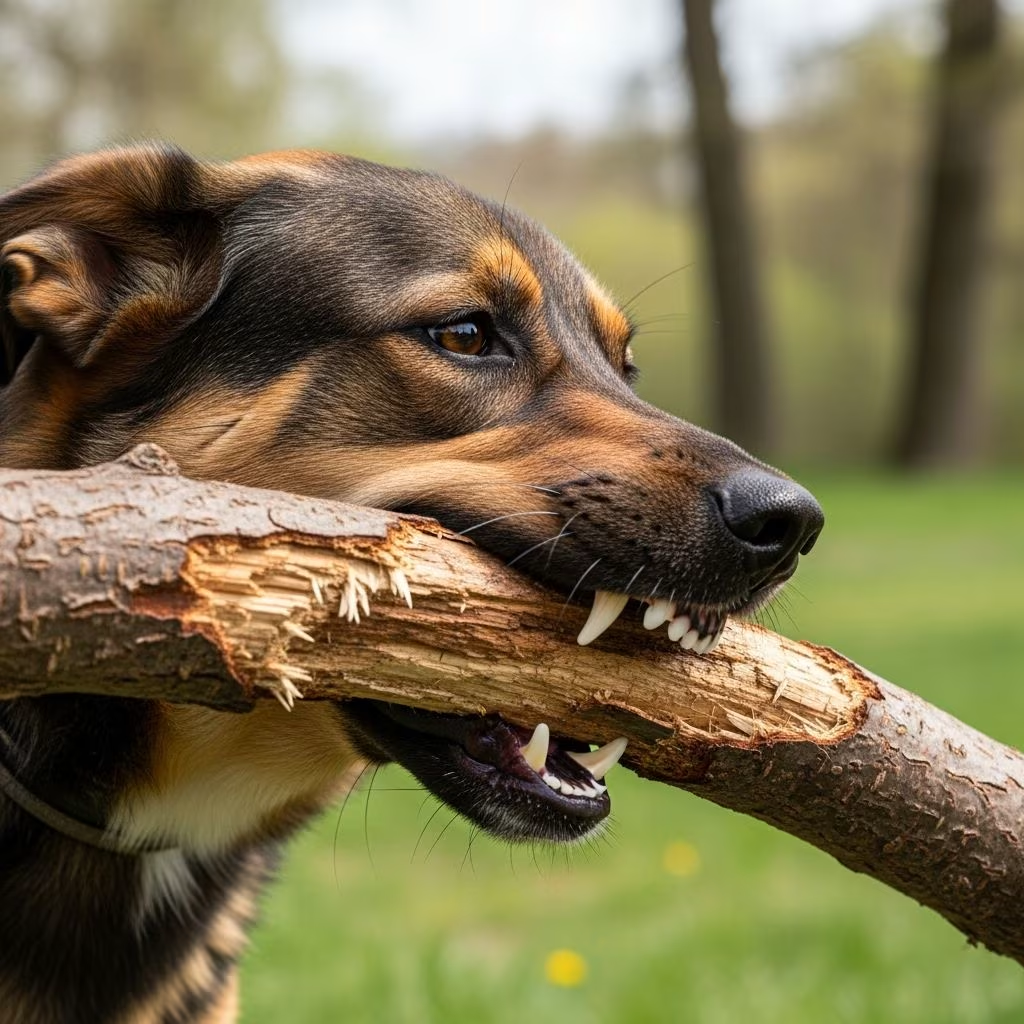
Dogs often turn to wood for chewing due to natural instincts like teething, exploration, boredom relief, stress reduction, or dental maintenance. While this behavior satisfies their needs, it poses risks such as splinters, choking, and dental injuries, requiring proactive management through redirection and environmental changes.
Understanding the Instinct Behind Chewing
Chewing forms a fundamental part of canine development and daily life. Puppies begin gnawing early to alleviate teething pain, strengthen jaws, and explore their world orally, a habit that persists into adulthood. Adult dogs chew to maintain oral health, release endorphins for stress relief, or simply combat boredom when understimulated.
This behavior mimics wild ancestors tearing prey, keeping jaws strong and teeth clean naturally. Wood appeals because of its texture—firm yet yielding—providing satisfaction unavailable from softer items.
Primary Reasons Dogs Target Wood
- Teething in Puppies: Emerging teeth cause discomfort, prompting intense gnawing on accessible wood like sticks or furniture legs.
- Boredom and Lack of Stimulation: Insufficient exercise or mental challenges lead dogs to seek outlets, with household wood becoming convenient targets.
- Stress and Anxiety: Separation from owners, loud noises, or changes trigger coping through chewing, often focused on escape points like doors.
- Dental or Oral Discomfort: Food particles, pain, or the need to clean teeth drive dogs to rough wood surfaces as a natural tool.
- Exploration and Habit: Puppies don’t distinguish safe sticks from furniture, forming lifelong preferences if not redirected.
Health Risks of Wood Chewing
Though instinctive, wood consumption endangers dogs. Splinters can lacerate gums, cause infections, or lead to choking. Ingested fragments risk intestinal blockages or perforations, potentially requiring surgery. Repetitive action may fracture teeth or exacerbate underlying issues like pica or pancreatitis.
| Risk | Description | Potential Consequences |
|---|---|---|
| Splinters | Sharp wood pieces embed in mouth | Gum injuries, infections |
| Choking | Large chunks obstruct airway | Emergency intervention needed |
| Blockages | Swallowed fragments in gut | Vomiting, surgery |
| Dental Damage | Excessive force on teeth | Fractures, pain |
Identifying Problematic Chewing Patterns
Not all chewing signals trouble; casual gnawing on sticks during play is normal. Concern arises with intense, repetitive sessions hard to interrupt, especially post-triggers like owner departure or thunderstorms. Watch for concentrated damage near exits, alongside panting, drooling, pacing, or vocalizing—these indicate anxiety.
Sudden onset in adults may stem from stress, dental pain, or illness. Track timing, location, duration, and symptoms to differentiate normal from abnormal.
Safe Alternatives to Wood
Redirect energy with durable, vet-approved chews mimicking wood’s appeal without hazards.
- Rubber toys like Kongs filled with treats for mental engagement.
- Nylabones or synthetic bones textured for dental cleaning.
- Frozen carrots or bully sticks for natural satisfaction.
- Wood-like chews from safe materials, avoiding real wood.
Rotate options to prevent boredom and supervise initially to build preferences.
Training Strategies to Curb Chewing
Consistent training transforms habits. Use positive reinforcement: interrupt with a command like \”leave it,\” offer an alternative, and praise acceptance.
- Supervise and Confine: Keep dogs crated or in puppy-proof areas when unsupervised.
- Exercise Routine: Daily walks, play, and puzzles burn energy, reducing boredom-driven chewing.
- Bitter Sprays: Apply pet-safe deterrents to furniture; pair with approved chews.
- Enrichment Toys: Puzzle feeders and sniff games provide mental outlets.
Addressing Underlying Anxiety
For anxiety-linked chewing, behavior modification trumps punishment. Desensitize to triggers gradually, using departures without fanfare and counter-conditioning with treats. Severe cases benefit from vet-prescribed anti-anxiety aids alongside therapy.
Conditions like separation anxiety show in shadowing owners, pre-departure distress, or house soiling; noise aversion pairs with trembling or hiding.
Role of Exercise and Enrichment
Physical activity prevents many issues. Aim for 30-60 minutes daily, tailored to breed—high-energy dogs need more. Mental games like hide-and-seek or training sessions match chewing’s endorphin release.
When to Consult a Veterinarian
Seek professional help if chewing persists despite interventions, causes injury, or accompanies lethargy, appetite loss, or GI upset. Vets rule out medical causes and refer to behaviorists.
FAQs
Why has my adult dog started chewing wood suddenly?
Sudden changes often link to stress, boredom, dental pain, or health issues. Monitor and consult a vet if needed.
Do puppies outgrow wood chewing?
Many reduce it with maturity and training, but habits or needs may persist without guidance.
Is wood chewing always a sign of anxiety?
No, it can be normal exploration or boredom, but patterns around triggers suggest distress.
How do I protect my furniture?
Use deterrents, provide alternatives, increase exercise, and train consistently.
Can chew toys replace wood entirely?
Yes, with proper selection and rotation, they meet chewing needs safely.
Long-Term Prevention Plan
Combine daily routines: morning exercise, midday puzzles, evening training. Regular vet checkups ensure dental health. Patience yields a chew-free home.
References
- How to curb your dog’s obsession with wood — Natural Farm. Accessed 2026. https://www.naturalfarmpet.com/blogs/all/how-to-curb-your-dogs-obsession-with-wood
- Is my dog chewing on wood because of anxiety? — Vetster. Accessed 2026. https://vetster.com/en/wellness/is-my-dog-chewing-on-wood-because-of-anxiety
- Why Does My Dog Chew on Wood? — Whole Dog Journal. Accessed 2026. https://www.whole-dog-journal.com/behavior/why-does-my-dog-chew-on-wood/
- Why is my dog chewing on wood all of a sudden? — Dial a Vet. Accessed 2026. https://www.dialavet.com/vet-answers/dog-chewing-wood-concerns-2707
- Destructive Dog Chewing: How To Stop It — Chewy. Accessed 2026. https://www.chewy.com/education/dog/training-and-behavior/training-tips-how-to-stop-destructive-chewing-in-dogs
- Why Does My Dog Chew My Furniture and Baseboards? — AKC. Accessed 2026. https://www.akc.org/expert-advice/training/why-does-my-dog-chew-my-furniture-and-baseboards/
- Destructive Chewing — ASPCA. Accessed 2026. https://www.aspca.org/pet-care/dog-care/common-dog-behavior-issues/destructive-chewing



