

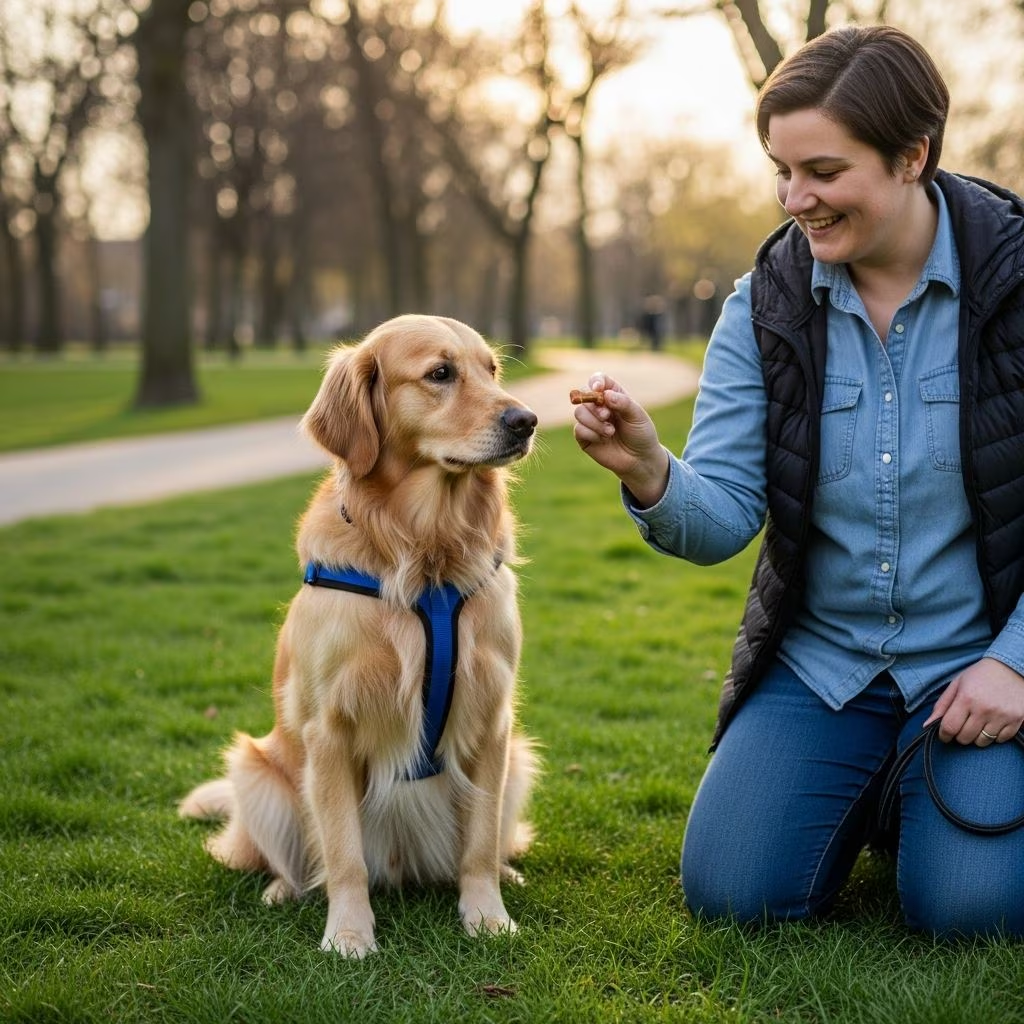
Your dog devours treats eagerly at home but turns up their nose during walks or at the park? This frustrating issue is common among dog owners and can halt training progress. Food motivation is key to positive reinforcement, yet outdoor distractions often override it. This article explores why dogs refuse treats outside, backed by expert insights, and provides actionable steps to rebuild their appetite for rewards in challenging environments.
Why Won’t My Dog Eat Treats Outside?
Dogs that eat treats reliably indoors may ignore them outdoors due to heightened arousal from environmental stimuli. This isn’t stubbornness—it’s a natural response where the brain prioritizes survival instincts over food. Common triggers include other dogs, traffic, squirrels, or even novel smells, making treats seem insignificant.
Understanding the root causes helps tailor solutions. Stress hormones like cortisol suppress appetite, similar to how humans lose hunger during high anxiety. If your dog inhales kibble at home but spits out chicken at the park, the environment is likely too stimulating.
Hunger Levels and Meal Timing
A full stomach reduces food drive. Training right after meals, especially for small-appetite dogs, leads to refusal. Schedule sessions when hunger peaks, like before dinner. Some experts recommend mild fasting—up to 12-24 hours after vet approval—to heighten motivation, but avoid this for puppies, seniors, or large breeds.
Low-Value Treats
Indoor kibble might suffice at home, but outdoors demand **high-value treats** like rotisserie chicken, freeze-dried liver, salmon bites, cheese, or hot dogs. These must outcompete distractions. Test preferences by offering choices—let your dog \”vote\”.
Stress and Overstimulation
Reactive dogs view triggers (e.g., other dogs) as threats, triggering fight-or-flight. Proximity and intensity matter: too close, and treats fail as the body diverts energy from digestion. Health issues, medications, or aging can also dull appetite—consult a vet if refusal is new.
Learned Behavior or Overfeeding
Free-feeding or excessive treats between meals satiates dogs. Refusal can become reinforced if owners switch to less desirable rewards. Picky eaters may prefer certain textures; soft, smelly options like potted meat work when dry kibble fails.
How to Build Food Motivation Step-by-Step
Rebuild drive gradually using desensitization and a progression ladder. Start where success is guaranteed and layer in distractions.
Step 1: Prepare High-Value Rewards
- Cut treats small for quick delivery.
- Use a treat pouch for efficiency.
- Vary types: meaty, cheesy, fishy to find winners.
Trainer tip: Warm treats slightly to enhance aroma, mimicking fresh-killed prey appeal.
Step 2: Train in Low-Distraction Zones
Begin indoors, progress to backyard, then quiet streets. Keep sessions short (5-10 minutes) to end on success.
Step 3: Incorporate Movement and Games
Static treats bore; toss them, play catch, or pair with tug/chase. This boosts engagement and mimics hunting.
Step 4: Desensitize at a Distance
Approach distractions gradually. Park across the lot from the dog park first—distance reduces overwhelm. Shrink gap over sessions.
Food Motivation Ladder
Use this hierarchy to systematically increase difficulty. Master each level (80-90% success) before advancing. Regress if refusal occurs.
| Level | Environment | Treat Value | Focus |
|---|---|---|---|
| 1 | Quiet indoor room | Medium | Basic cues (sit, stay) |
| 2 | Backyard/patio | High | Short sessions, add movement |
| 3 | Quiet sidewalk | High | Walking cues, games |
| 4 | Busy street/park (distant) | Top-tier | Simple responses |
| 5 | Near dogs/kids/squirrels | Jackpot rewards | Ultra-short bursts |
Techniques for Real-Life Distractions
- Treat Scatters: Toss handfuls in grass for foraging. Lowers arousal via sniffing, licking, chewing—the “trifecta of calm”.
- Sniff Breaks: Release to explore as a reward, building value in compliance.
- Find It Game: Hide treats to engage nose and brain.
- Hand Targeting: Nose-to-palm for focus without food lures.
For play-driven dogs, alternate with tug toys or praise, but persist with food building.
When Food Isn’t Enough: Alternatives
Food isn’t universal. Use:
- Praise/petting for calm dogs.
- Toys/tug for high-play drive.
- Life rewards: Sniffing, greeting (after cues).
These bridge gaps while food drive develops. Avoid over-relying—food remains most versatile.
Troubleshooting Common Problems
Problem 1: Won’t Eat Outdoors At All
Solution: Revert to porch or driveway. High-value rewards, tiny sessions, always end positively.
Problem 2: Only Eats from Hand
Solution: Teach tosses, scatters, snuffle mats for dynamic delivery.
Problem 3: Takes Treats But Ignores Cues
Solution: Engagement games like “Look at That” (acknowledge distractions calmly) or step-by-step leash walks with frequent rewards.
Problem 4: Sudden Refusal
Check health: Dental pain, illness, meds. Vet visit essential.
Frequently Asked Questions (FAQs)
Q: Is it okay to skip meals to build hunger?
A: Mild hunger (train before meals) yes, but consult vet for 24-hour fasts, especially puppies or large breeds.
Q: What if my dog is reactive—will treats ever work?
A: Yes, with distance desensitization and top rewards. Reduce trigger intensity first.
Q: My dog prefers toys—should I ditch food?
A: No, build food drive alongside; it’s reliable in all conditions.
Q: How long until improvement?
A: 1-4 weeks with consistent ladder practice, depending on dog.
Q: Are there breeds less food-motivated?
A: Herding/sighthounds may prioritize environment, but training adapts all.
Patience and consistency turn picky outdoor eaters into eager trainees. Track progress in a journal, celebrate small wins, and adjust based on your dog’s feedback. With these strategies, you’ll restore food motivation and advance training outdoors.
References
- How to Help Your Dog Become Food Motivated in Distracting Environments — Pupford. 2023. https://pupford.com/blogs/all/dog-food-motivated-distracting-environments
- Dog Not Food Motivated? Why Dogs Ignore Treats, How To Fix It — YouTube (Robert’s Dog Training Tips). 2025-04-04. https://www.youtube.com/watch?v=k17GOS_7Ejs
- But my dog’s not treat-oriented! — Woof Like To Meet. 2021-05. https://www.woofliketomeet.com/2021/05/but-my-dogs-not-treat-oriented/
- My dog won’t take treats – now what? — Sit Pretty Behavior & Training. N/A. https://www.sit-pretty.ca/blog/my-dog-wont-take-treats



