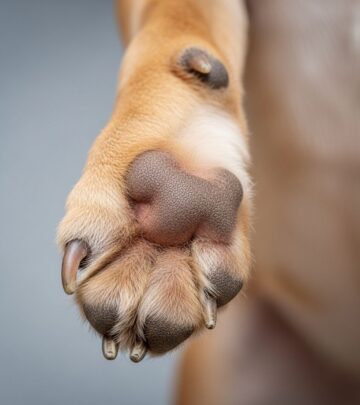
Dog Whiskers: Functions and Grooming Guide
Discover the vital roles of dog whiskers in sensing, navigation, and communication, and learn why trimming them can harm your pet's well-being.

Dog whiskers, scientifically known as vibrissae, are specialized sensory hairs that play crucial roles in a dog’s perception of the world. These coarse, prominent hairs are far more than cosmetic features; they are deeply rooted in follicles rich with nerve endings, enabling dogs to detect subtle environmental changes.
The Science Behind Canine Vibrissae
Vibrissae differ from regular fur due to their structure. Each whisker connects to a cluster of tactile receptors, such as Merkel cells, in the follicle base. When a whisker bends from touch or air movement, it sends precise signals to the brain, processing information about object size, shape, and speed.
Approximately 40% of a dog’s brain sensory cortex is devoted to whisker input, underscoring their neurological importance. This heightened sensitivity allows dogs to interpret their surroundings without relying solely on vision, which is less acute at close range.
Primary Locations and Specialized Roles
Dogs possess whiskers in distinct facial areas, each serving unique purposes:
- Mystacial whiskers on the muzzle: These longest whiskers help gauge proximity, texture, and distance to objects like food bowls or obstacles during head movements.
- Supraorbital whiskers above the eyes: Act as protective barriers, triggering blinks via nerve signals when air currents or objects approach, preventing eye injuries.
- Genal whiskers on the cheeks: Provide peripheral awareness, aiding navigation through narrow spaces and maintaining head balance during activities like swimming.
- Interramal whiskers under the chin: Detect items below the direct line of sight, such as ground-level food or water sources.
These placements ensure comprehensive environmental monitoring, compensating for dogs’ visual limitations in low light or tight quarters.
Key Functions of Dog Whiskers
Enhanced Navigation and Spatial Awareness
Whiskers function like radar, sensing air vibrations from nearby surfaces. As a dog moves, displaced air rebounds off walls or objects, deflecting whiskers and alerting the brain to potential collisions—often before physical contact occurs.
This is vital for blind or vision-impaired dogs, where extended vibrissae have proven effective in obstacle avoidance. In dark environments, whiskers help map spaces, determining if a gap is wide enough to pass through by measuring airflow changes.
Eye and Face Protection
Supraorbital whiskers guard the eyes by detecting threats like branches, insects, or dust. A gentle tap on these whiskers prompts an involuntary blink reflex, shielding delicate ocular tissues.
Veterinarians emphasize this protective role, noting that whisker stimulation signals ‘protect the face,’ enhancing overall safety during exploration or play.
Hunting Instincts and Prey Detection
Ancestrally, whiskers aided wild canines in tracking prey through dense brush or darkness. Subtle movements create air disturbances that whiskers sense, pinpointing targets with precision.
Domestic dogs retain this trait, using whiskers to locate hidden toys or kibble, mimicking hunting behaviors.
Temperature and Wind Sensing
Whiskers register minute shifts in air pressure, temperature, and wind direction, helping dogs anticipate weather changes or orient themselves in breezy conditions.
Whiskers in Canine Communication
Beyond sensing, whiskers convey emotional states, forming part of a dog’s body language repertoire. Relaxed dogs hold whiskers neutrally against the face; curious ones erect them slightly.
Threatened dogs flare muzzle whiskers forward and downward, signaling aggression or fear to others. This visual cue, combined with pheromones dispersed via whisker bases, facilitates social interactions.
| Emotion | Whisker Position | Behavior Context |
|---|---|---|
| Relaxed | Flat against face | Calm, content state |
| Happy/Curious | Slightly elevated | Playful exploration |
| Alert/Defensive | Flaring outward/downward | Perceived threat |
This table illustrates how whisker orientation provides owners insights into their dog’s mood.
Should You Trim or Cut Dog Whiskers?
Absolutely not—cutting whiskers is detrimental. Without them, dogs lose critical sensory data, leading to disorientation, bumping into objects, and heightened anxiety, especially in unfamiliar settings.
Whiskers naturally shed and regrow, but trimming severs the nerve-rich follicle connection, delaying recovery for months. Even short trims impair function, as stumps lack length for air detection.
Grooming Best Practices
Maintain whisker health through gentle care:
- Avoid clippers near facial whiskers during grooming sessions.
- Use blunt scissors only for mats far from vibrissae roots, if unavoidable.
- Brush regularly to prevent tangles without pulling whiskers.
- Consult vets for breed-specific advice, like for long-haired varieties.
For show dogs, regulations often prohibit whisker trimming to preserve natural form.
Common Myths About Dog Whiskers
- Myth: Whiskers are just for looks. False—they are vital sensory tools.
- Myth: Trimming makes dogs look neater. It causes more harm than aesthetic benefit.
- Myth: All dogs have identical whiskers. Length and density vary by breed, but functions remain consistent.
FAQs on Dog Whiskers
Do puppies have whiskers?
Yes, whiskers are among the first hairs to develop, aiding newborn navigation to milk sources.
Can whiskers grow back if cut?
They regrow, but full sensitivity returns only after 2-3 months, during which function is compromised.
Do all dog breeds need whiskers equally?
Yes, though working breeds in low-visibility tasks benefit most.
What if my dog’s whiskers are damaged?
Monitor for distress; provide a safe environment. Avoid further trauma and see a vet if persistent issues arise.
Are dog whiskers like human ones?
No—human whiskers lack nerve follicles; dogs’ are highly innervated sensors.
Supporting Your Dog’s Sensory Health
Preserve whiskers by enriching environments with scent games and safe play areas. Regular health checks ensure follicle integrity. Understanding vibrissae empowers better care, enhancing your dog’s confidence and safety.
Owners report improved behavior in dogs with intact whiskers, avoiding confusion from sensory deficits.
References
- Why Do Dogs Have Whiskers? — PetMD. 2023. https://www.petmd.com/dog/general-health/why-do-dogs-have-whiskers
- What to Know About a Dog’s Whiskers — WebMD. 2023. https://www.webmd.com/pets/dogs/what-to-know-dogs-whiskers
- Why Do Dogs Have Whiskers and Should You Cut Them? — Whole Dog Journal. 2023. https://www.whole-dog-journal.com/care/why-do-dogs-have-whiskers-and-should-you-cut-them/
- Why Do Dogs Have Whiskers? — Purina. 2023. https://www.purina.com/articles/dog/behavior/understanding-dogs/why-do-dogs-have-whiskers
- Functions of Cat & Dog Whiskers — VCA Animal Hospitals. 2023. https://vcahospitals.com/resources/lifestyle-cat/whiskers-radar-sensors-and-more
- Why Do Dogs Have Whiskers? — American Kennel Club (AKC). 2023. https://www.akc.org/expert-advice/family-dog/why-do-dogs-have-whiskers/
Similar Articles





Read full bio of medha deb