

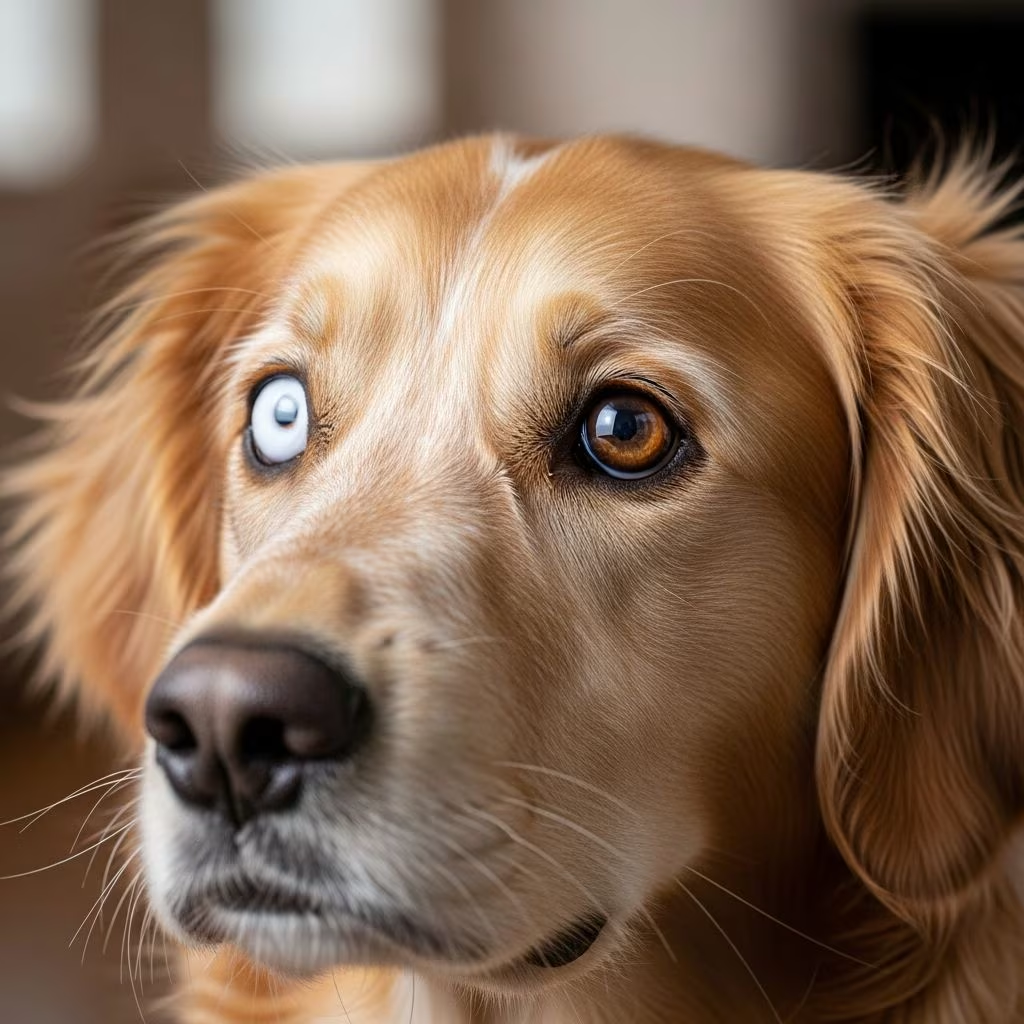
Whale eye occurs when the whites of a dog’s eyes, known as the sclera, become prominently visible, often signaling underlying emotional or physical distress. This canine expression provides critical insights into your pet’s well-being, helping owners intervene before issues escalate.
Recognizing the Whale Eye Expression in Canines
The term “whale eye” describes a specific visual cue where a dog’s gaze reveals a significant portion of the eye whites, typically in a crescent shape around the iris. This happens as the dog averts its head while fixating its eyes on a stimulus, creating a tense, wide-eyed appearance reminiscent of a whale’s gaze.
Key visual indicators include:
- A pronounced rim or half-moon of white sclera in one or both eyes.
- Head turned away from the observer, but eyes locked sideways.
- Tight facial muscles, often with flattened ears or a stiff muzzle.
This expression differs from normal eye contact, where primarily the colored iris is visible. In relaxed dogs, sclera exposure is minimal, making whale eye a standout alert.
Emotional Triggers Behind Whale Eye Displays
Dogs use whale eye primarily as a non-verbal communication of unease. It serves as an appeasement signal, attempting to de-escalate potential threats without confrontation.
Fear and Threat Avoidance
When feeling threatened, dogs may show whale eye to signal “back off” subtly. Common scenarios include encounters with strangers, unfamiliar animals, or overwhelming environments like loud gatherings. The dog positions its body to avoid direct stares, which they perceive as challenges.
Anxiety and Heightened Stress
Chronic or situational anxiety amplifies this response. New adoptions often exhibit whale eye during adjustment periods, accompanied by pacing, yawning, or lip-licking. Separation anxiety or noise phobias, such as thunderstorms, can trigger persistent displays.
| Stress Trigger | Common Whale Eye Contexts | Accompanying Behaviors |
|---|---|---|
| Fear | Strangers approaching, vet visits | Body rigidity, tucked tail |
| Anxiety | Alone time, new environments | Panting, destructive chewing |
| Overstimulation | Play sessions gone intense | Hackles raised, abrupt movements |
Physical Causes Mimicking Emotional Signals
Not all whale eye stems from emotions; medical factors can contribute. Pain from injuries, dental issues, or arthritis prompts defensive postures revealing more sclera.
- Eye-Specific Problems: Irritation, infections, or glaucoma cause involuntary widening.
- Neurological Issues: Vestibular disorders or seizures alter eye positioning.
- Breed Predispositions: Brachycephalic breeds like Pugs naturally show more whites due to prominent eyes.
Owners should monitor for limping, appetite loss, or head tilting alongside whale eye to differentiate causes.
Interpreting Whale Eye in Everyday Situations
Context determines severity. Brief flashes during play might indicate mere excitement, but prolonged or frequent occurrences warrant attention.
During Handling and Grooming
Hugs, nail trims, or baths often elicit whale eye, signaling discomfort with restraint. Dogs may freeze, growl, or snap if pressure continues, highlighting the need for positive reinforcement techniques.
In Social Interactions
Introducing new pets or people can provoke this as a territorial warning. Observe ear positions and tail carriage: flattened ears and lowered tails confirm distress.
Steps to Address and Reduce Whale Eye Occurrences
Addressing whale eye involves identifying triggers and fostering security. Never punish the display, as it communicates genuine need.
- Environmental Adjustments: Remove stressors like loud noises; create safe spaces.
- Desensitization Training: Gradually expose to triggers with treats for calm behavior.
- Professional Guidance: Certified trainers use force-free methods for anxiety management.
For potential medical roots, a veterinary exam rules out pain or illness. Video consultations offer quick assessments.
When Whale Eye Signals Urgent Action
Escalation risks include aggression precursors. If paired with growling, snapping, or avoidance after trauma, prioritize intervention.
- Constant exposure even in calm settings.
- Sudden onset post-injury or age-related changes.
- Combined with lethargy, vomiting, or neurological symptoms.
Consult vets promptly for these red flags to prevent welfare decline.
Enhancing Canine Communication Skills
Learning body language builds trust. Resources from veterinary behaviorists emphasize holistic observation: eyes, ears, tail, and posture form a complete picture.
Breeds vary; herding dogs may show more during work, while rescues carry trauma histories. Consistent observation tailors responses effectively.
Frequently Asked Questions About Dog Whale Eye
Is whale eye always a sign of aggression?
No, it primarily indicates stress or fear, though it can precede defensive bites if ignored.
Why do some breeds show more whale eye naturally?
Flat-faced breeds have protruding eyes, making sclera more visible without emotional distress.
Can training eliminate whale eye?
Training reduces frequency by alleviating triggers, but it’s a natural signal that may persist in high-stress scenarios.
Should I stop hugging my dog if they show whale eye?
Yes, respect their space and build positive associations gradually to improve tolerance.
How do I distinguish whale eye from normal side glances?
Whale eye features prominent whites with tense body language; casual glances show minimal sclera.
Building a Stress-Free Life for Your Dog
Proactive care minimizes whale eye: regular exercise, mental stimulation, and routine vet checks promote balance. Track patterns in a journal to pinpoint patterns, enabling targeted improvements.
Ultimately, recognizing whale eye empowers owners to advocate for their dogs, fostering deeper bonds through empathy and timely action.
References
- Why Does My Dog Always Have Whale Eye? — Dial A Vet. 2023. https://www.dialavet.com/blog/why-does-my-dog-always-have-whale-eye
- Whale Eye Dog: What Is It and What Does It Mean? — Total.Vet. 2023. https://total.vet/whale-eye-dog/
- What is Whale Eye? Understanding Your Dog’s Body Language — Native Pet. 2023. https://nativepet.com/blogs/health/dog-whale-eye
- Why is my dog giving me side eye? — Vetster. 2023. https://vetster.com/en/wellness/why-is-my-dog-giving-me-side-eye



