Dog Weight Loss Causes
Discover why your dog might be shedding pounds unexpectedly and learn vital steps for diagnosis and care to restore their vitality.
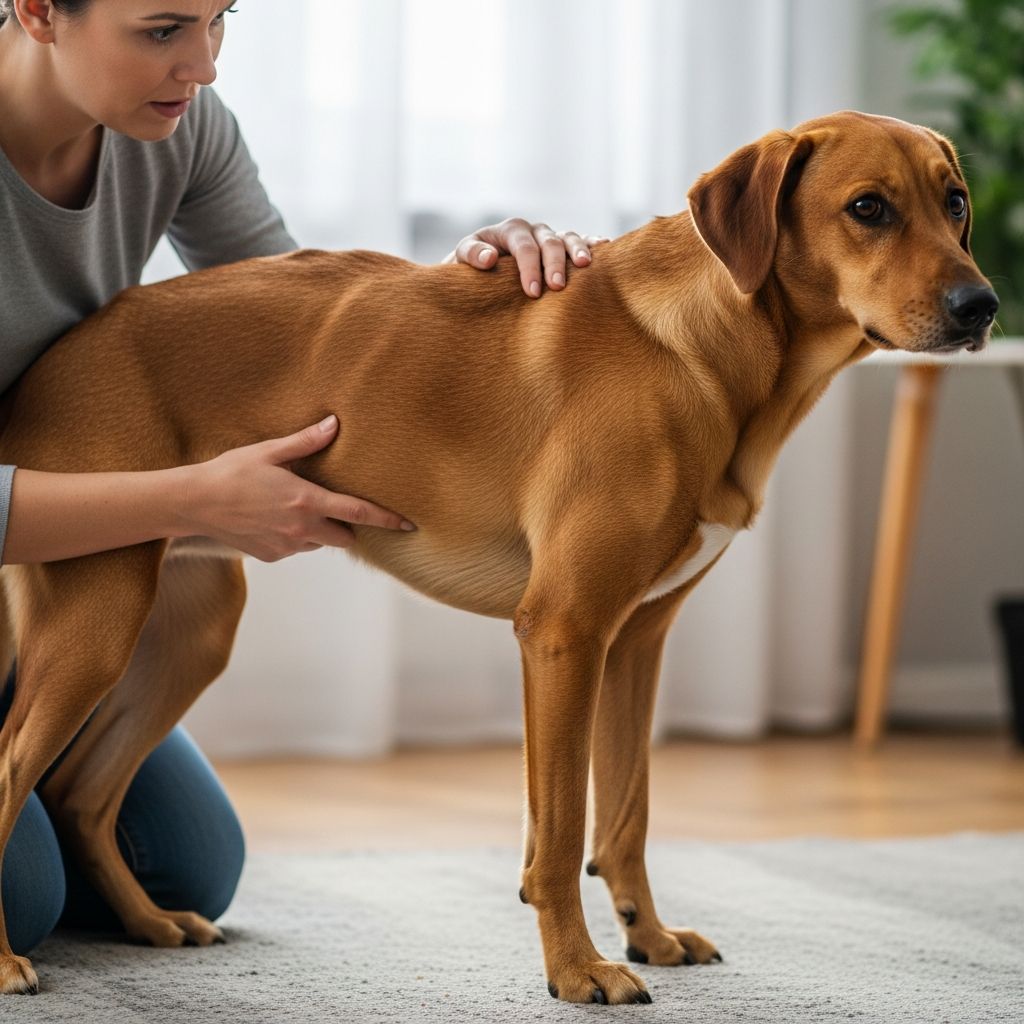
Unexplained weight loss in dogs often points to underlying health challenges that require prompt veterinary attention. Identifying the root cause through observation and professional diagnostics is essential for effective intervention.
Recognizing the Signs of Weight Loss in Your Dog
Weight loss in dogs manifests in visible and behavioral changes that owners can spot early. Prominent ribs, a tucked waist, or a loose collar are clear physical indicators. Behavioral shifts like reduced energy, changes in appetite, or altered stool consistency often accompany these signs.
Monitor your dog’s body condition score regularly, aiming for a visible waist and palpable fat cover over ribs without prominence. Gradual loss over months differs from rapid drops in days, each signaling distinct issues.
- Visible ribs or hip bones
- Muscle wasting, especially in hindquarters
- Lethargy or reluctance to exercise
- Changes in thirst or urination patterns
- Coat dullness or poor skin condition
Primary Medical Causes Behind Canine Weight Reduction
Dogs lose weight when calorie intake fails to match energy expenditure, often due to medical disruptions in digestion, metabolism, or nutrient use. Gastrointestinal, endocrine, and organ-related diseases top the list.
Digestive System Disruptions
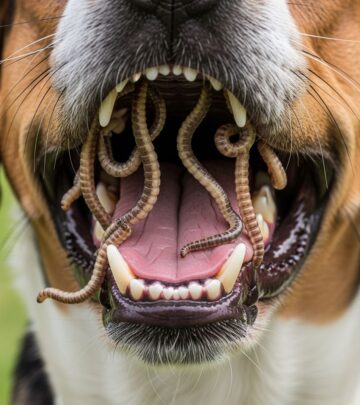
Problems in the gut prevent proper nutrient breakdown and absorption. Inflammatory bowel disease causes chronic diarrhea, while exocrine pancreatic insufficiency impairs enzyme production, leading to maldigestion. Parasites like worms steal nutrients, exacerbating loss.
Owners may notice soft stools, vomiting, or bloating alongside thinning. Early deworming and dietary adjustments help, but vet confirmation via fecal tests is crucial.
Endocrine and Metabolic Imbalances
Hormonal disorders accelerate calorie burn. Diabetes mellitus prevents glucose utilization, causing dogs to eat more yet waste away, with symptoms like excessive thirst and urination. Hyperthyroidism, though rare, ramps up metabolism similarly.
| Condition | Key Symptoms | Diagnostic Tests |
|---|---|---|
| Diabetes | Polyuria, polydipsia, hunger | Blood glucose, urinalysis |
| Hyperthyroidism | Increased appetite, rapid loss | Thyroid hormone levels |
Organ Failure and Chronic Diseases
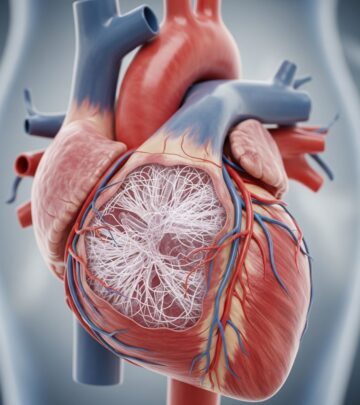
Kidney and liver diseases impair toxin clearance and protein synthesis, leading to muscle breakdown. Heart conditions increase energy demands, while respiratory issues limit activity. Cancer tumors divert nutrients, often with appetite loss.
Senior dogs face heightened risks, where multiple conditions overlap. Bloodwork reveals elevated enzymes or waste products, guiding treatment.
Non-Disease Factors Contributing to Weight Loss
Not all weight reduction stems from illness. Age-related sarcopenia erodes muscle in older dogs without fat loss. Dental pain from broken teeth or gum disease discourages eating.
Behavioral issues like stress from household changes reduce intake. Poor diet quality or sudden food switches cause intolerance, triggering diarrhea. Increased exercise without caloric boost also slims dogs.
- Arthritis limiting movement and appetite
- Food allergies causing gastrointestinal upset
- Environmental stressors altering eating habits
- Inadequate portion sizes or low-calorie feeds
When Weight Loss Signals an Emergency
Rapid loss, refusal to eat for days, or accompanying vomiting/diarrhea demands immediate vet care. Dehydration signs like sunken eyes or dry gums compound risks. Cancer or advanced diabetes can progress swiftly.
Track weight weekly and note symptom onset. A 10% drop in body weight warrants urgent evaluation.
Diagnostic Approaches for Unexplained Weight Loss
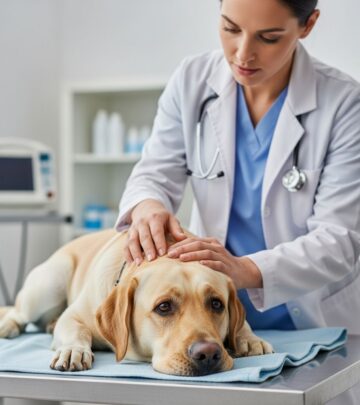
Vets start with history and physical exams, assessing body condition and palpating organs. Blood panels check organ function, glucose, and hormones. Fecal analysis detects parasites, while imaging like X-rays or ultrasounds reveal masses or inflammation.
Advanced tests include biopsies for IBD or thyroid scans. Trial diets rule out allergies. Systematic ruling out guides accurate diagnosis.
Treatment Strategies Tailored to the Cause
Treatment targets the underlying issue. Insulin and diet manage diabetes. Antibiotics or anti-inflammatories address infections and IBD. Surgical tumor removal combats cancer.
Supportive care includes high-calorie diets, appetite stimulants, and fluids. Senior formulas with joint support aid muscle rebuilding. Monitor progress with follow-up weights.
Preventive Measures to Maintain Healthy Dog Weight
Annual vet checkups catch issues early. Balanced, age-appropriate diets prevent deficiencies. Regular exercise preserves muscle. Dental cleanings avoid pain-related anorexia.
Weigh monthly, adjusting food as activity changes. Fresh water and parasite preventives safeguard health.
Special Considerations for Senior Dogs
Aging dogs lose muscle naturally, but monitor for disease overlays like kidney failure. Highly digestible, calorie-dense foods counteract reduced absorption. Joint supplements ease mobility, boosting appetite.
Table for senior monitoring:
| Age Group | Ideal Body Condition | Common Risks |
|---|---|---|
| 7-10 years | Moderate fat cover | Early endocrine shifts |
| 11+ years | Slight waist tuck | Organ decline, cancer |
Frequently Asked Questions About Dog Weight Loss
Why is my dog losing weight but still eating?
This suggests malabsorption, diabetes, or hypermetabolism where nutrients aren’t utilized properly. Vet tests pinpoint the issue.
How much weight loss is concerning in dogs?
Over 10% of body weight in weeks is alarming, especially with other symptoms.
Can stress cause weight loss in dogs?
Yes, anxiety reduces appetite; address environmental triggers.
Is weight loss common in older dogs?
Sarcopenia is typical, but sudden loss indicates disease.
What home remedies help a thin dog gain weight?
Never self-treat; consult vets for safe, high-energy foods.
References
- Why Is My Dog Losing Weight? – Palm Beach County — Access Vets Florida. 2023. https://accessvetsflorida.com/blog/why-is-my-dog-losing-weight/
- Weight Loss in Dogs: Causes, Diagnosis and Treatment — Medivet Group. 2024. https://www.medivetgroup.com/pet-care/pet-advice/weight-loss-in-dogs/
- Abnormal Weight Loss in Dogs — VCA Animal Hospitals. 2023. https://vcahospitals.com/know-your-pet/weight-loss-abnormal-in-dogs
- Why is My Dog Losing Weight: Signs, Symptoms and Emergencies — Veg.com. 2023. https://www.veg.com/post/dog-losing-weight
- Why is My Dog Losing Weight? — Warrick Veterinary Clinic. 2023. https://warrickvet.com/blog/why-is-my-dog-losing-weight/
- Weight Loss In Older Dogs: When To Worry — Woburn Animal Hospital. 2024-01-15. https://www.woburnanimalhospital.com/site/blog/2024/01/15/weight-loss-older-dogs
Similar Articles





Read full bio of Sneha Tete