

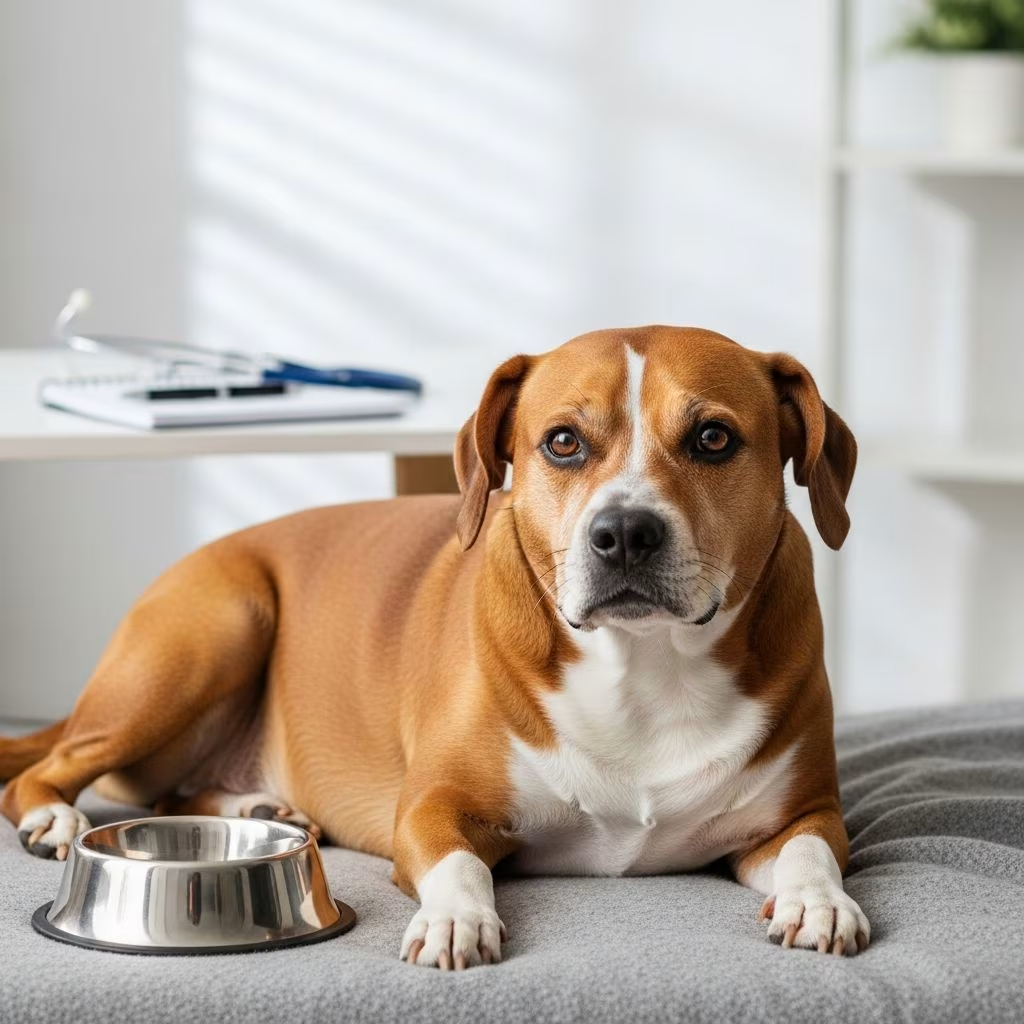
Your canine companion may be putting on extra pounds even if their food intake remains the same or decreases. This puzzling situation often stems from metabolic shifts, hidden health problems, or subtle changes in daily routines. Understanding these factors helps pet owners intervene early to safeguard their dog’s well-being.
Understanding the Puzzle of Canine Weight Fluctuations
Dogs, much like humans, maintain weight through a balance of calorie consumption and expenditure. When weight increases without more eating, it signals disruptions in this equilibrium. Factors such as slowed metabolism, fluid accumulation, or underlying diseases can tip the scales. Recognizing these early prevents complications like joint strain or diabetes.
Regular weigh-ins at home or the vet clinic provide a baseline. A sudden gain of 10% or more of body weight warrants attention, especially if appetite hasn’t changed. Breeds like Labrador Retrievers, Beagles, and Cocker Spaniels face higher risks due to genetic tendencies toward fat storage.
Metabolic Disorders Disrupting Normal Weight Control
Hormonal imbalances frequently explain weight gain independent of diet. Two primary culprits dominate veterinary discussions: hypothyroidism and Cushing’s disease.
Hypothyroidism: The Silent Metabolism Slowdown
Hypothyroidism occurs when the thyroid gland underproduces hormones regulating metabolism. This leads to efficient calorie storage as fat rather than energy use. Dogs appear lethargic, with dull coats, hair loss, and unexplained pounds.
Symptoms extend beyond weight: intolerance to cold, recurring skin infections, and slowed heart rate. Middle-aged females of breeds like Golden Retrievers and Dobermans are prone. Blood tests confirm low thyroxine levels; treatment involves daily oral supplements, restoring normal weight within months.
Cushing’s Disease: Excess Cortisol’s Impact
Also called hyperadrenocorticism, Cushing’s involves overproduction of cortisol by the adrenal glands. This hormone promotes fat deposition, particularly in the abdomen, creating a pot-bellied look despite unchanged eating.
Additional signs include excessive thirst, urination, panting, and thin skin prone to infections. Pituitary tumors often drive it in older dogs. Diagnosis uses dexamethasone suppression tests; management includes medication or surgery, with weight stabilization following cortisol control.
Fluid Accumulation Mimicking True Fat Gain
Not all weight gain is fat. Fluid retention from organ dysfunction can inflate the belly or limbs, deceiving owners.
- Heart Disease: Conditions like dilated cardiomyopathy cause fluid buildup in the chest or abdomen, leading to rapid ‘weight’ increases alongside coughing or fatigue.
- Kidney Problems: Chronic kidney disease impairs fluid balance, causing edema and ascites (abdominal fluid). Affected dogs drink more but eat less.
- Liver Issues: Hepatitis or portosystemic shunts lead to toxin buildup and fluid retention, often with vomiting or neurological signs.
Ultrasound and bloodwork differentiate fluid from fat. Treatment targets the root cause, such as diuretics for heart failure.
Lifestyle Contributors to Sneaky Weight Creep
Even without medical issues, daily habits influence weight. Aging naturally slows metabolism by 2-5% per decade, demanding fewer calories.
| Age Group | Calorie Adjustment Needed | Activity Recommendation |
|---|---|---|
| Puppy (under 1 year) | High energy needs | Multiple play sessions daily |
| Adult (1-7 years) | Stable, breed-specific | 30-60 min walks + play |
| Senior (8+ years) | 20-30% reduction | Gentle walks, swimming |
Overestimated portions compound this. Owners often scoop kibble by eye, exceeding guidelines by 20-50%. High-fat treats or table scraps add hidden calories. Lack of exercise—from sedentary lifestyles or injuries—halves calorie burn. Parasites like roundworms cause potbellies via intestinal inflammation and malabsorption.
Other Hidden Triggers: Pregnancy, Medications, and More
Pregnant females gain from puppies and placental fluid, peaking in late gestation. Unspayed dogs may surprise owners; ultrasound confirms.
Medications like steroids (prednisone) for allergies or arthritis boost appetite indirectly but promote fat storage. Bloat (gastric dilatation-volvulus) in deep-chested breeds like Great Danes causes acute abdominal swelling, a emergency mimicking gain.
Tumors in liver, pancreas, or elsewhere disrupt metabolism, leading to cachexia or paradoxical gain. Stress alters cortisol, mimicking Cushing’s mildly.
Diagnosing the Root Cause: Veterinary Steps
Never self-diagnose. A vet visit starts with history: diet logs, exercise, breed, age, symptoms. Physical exams check for potbelly, lymph nodes, hydration.
- Blood panel: thyroid, cortisol, kidney/liver enzymes, glucose.
- Urinalysis: diabetes, infections.
- Imaging: X-rays/ultrasound for fluid, tumors, pregnancy.
- Stool fecal: parasites.
Early detection reverses many issues. For example, hypothyroidism treatment yields 90% success.
Strategies to Manage and Prevent Weight Gain
Actionable steps restore balance:
- Precise Feeding: Use a measuring cup; follow label or vet-calculated needs (e.g., 25-30 kcal/lb ideal body weight daily).
- Quality Diet: Switch to high-protein, low-carb formulas; avoid fillers.
- Exercise Ramp-Up: Aim for 5,000-10,000 steps daily via walks, fetch. Seniors benefit from hydrotherapy.
- Monitor Progress: Weekly weigh-ins; adjust calories if no 1-2% loss/week.
- Environmental Enrichment: Puzzle feeders combat boredom eating.
Obese dogs risk osteoarthritis (4x higher), diabetes, hypertension. Ideal body condition: ribs palpable without excess fat, waist visible.
Frequently Asked Questions (FAQs)
Can my dog’s breed affect weight gain risk?
Yes, breeds like Dachshunds and Labs have genetic predispositions to obesity, requiring vigilant monitoring.
How quickly should I see a vet for weight gain?
Within 1-2 weeks if unexplained, or immediately for rapid gain with symptoms like lethargy.
Is weight gain always bad for dogs?
Pregnancy is normal, but other causes often signal health risks needing intervention.
What home remedies help before vet visit?
Reduce treats to 10% calories, increase walks, but don’t delay professional check.
Can senior dogs reverse weight gain?
Absolutely, with tailored low-calorie diets and gentle activity, many regain ideal weight.
Long-Term Wellness for Your Furry Friend
Proactive care keeps dogs lean and lively. Annual exams catch issues early; spaying/neutering prevents pregnancy surprises. Track body condition scores monthly. With adjustments, most dogs thrive at healthy weights, extending lifespan by 1-2 years. Consult vets for personalized plans, ensuring joyful, active lives.
References
- Why has my dog suddenly gained weight? — VIP Animal Hospitals. 2023. https://vipanimalhospitals.com/why-has-my-dog-suddenly-gained-weight/
- Why Is My Dog Gaining Weight But Eating Less? — Houndsy. 2024. https://www.houndsy.com/blogs/modern-tails/why-is-my-dog-gaining-weight-but-eating-less-understanding-the-causes-and-solutions
- 7 Reasons Your Dog is Gaining Weight — PetCareRx. 2023. https://www.petcarerx.com/article/7-reasons-your-dog-is-gaining-weight/6059
- My dog is overweight but doesn’t eat much — Bondi Vet. 2024. https://bondivet.com/blogs/dog-health/dog-is-overweight-but-doesnt-eat-much
- Weight Gain in Dogs: Why Is My Dog Gaining Weight? — WebMD Pets. 2024. https://www.webmd.com/pets/dogs/dog-gaining-weight
- Unexplained Weight Gain in Dogs — Vetster. 2024. https://vetster.com/en/symptoms/dog/unexplained-weight-gain-in-dogs
- Why Is My Dog Gaining Weight But Not Eating More? — Dogster. 2024. https://www.dogster.com/dog-health-care/why-is-my-dog-gaining-weight-but-not-eating-more



