

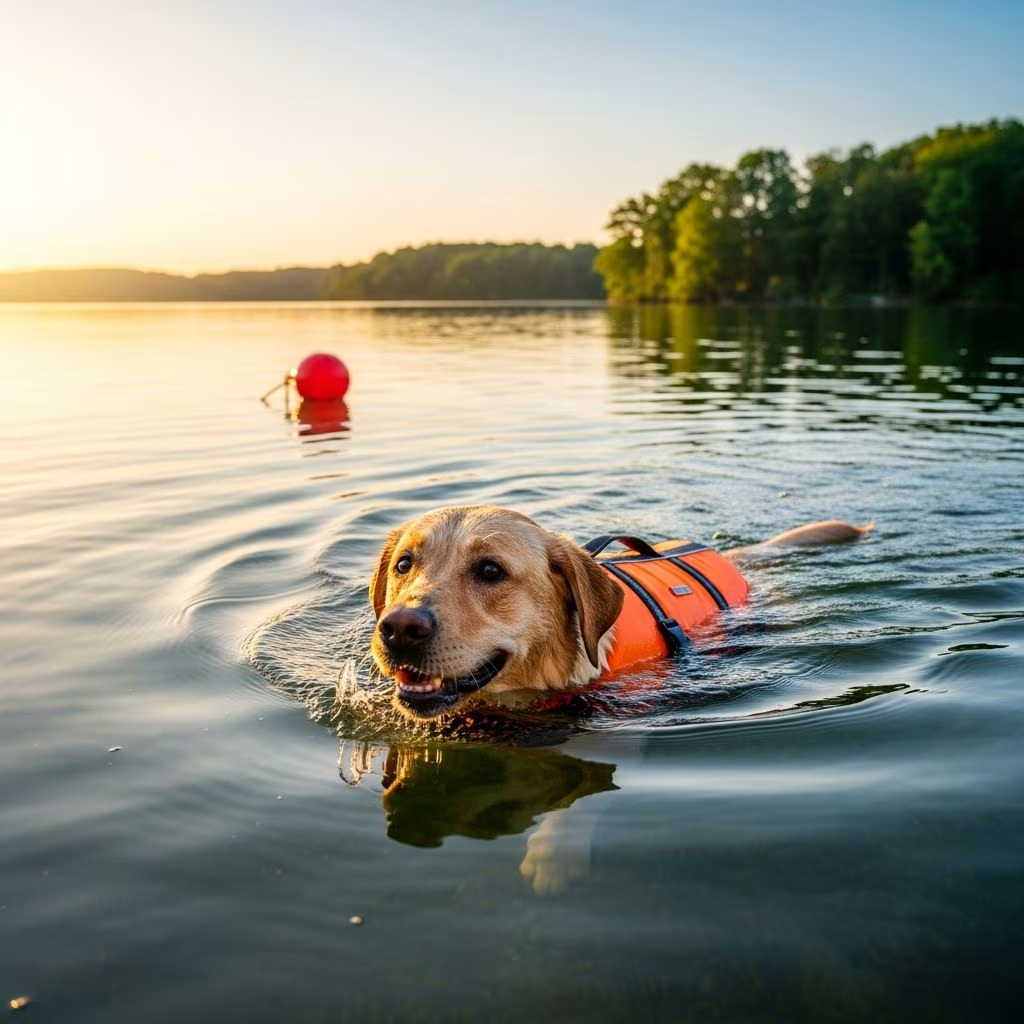
Water offers dogs endless opportunities for play and exercise, but it also poses serious risks like drowning, exhaustion, and illness. Proper preparation ensures safe enjoyment whether at home pools, beaches, or lakes. This guide outlines critical measures for pet owners.
Understanding Water Risks for Dogs
Dogs face unique dangers in aquatic environments. Not all breeds swim instinctively; brachycephalic types like Bulldogs tire quickly due to short snouts and heavy builds. Puppies lack coordination and stamina, increasing fall risks near pools. Open waters bring currents, undertows, and hidden debris, while chlorinated pools irritate skin and cause gastrointestinal issues if ingested.
Statistics highlight the urgency: veterinary reports note rising pet drowning incidents during summer, often from unsupervised access. Cold water induces hypothermia rapidly in pets, as their fur loses insulating value when wet. Owners must assess breed traits, age, and physical condition before water exposure.
Essential Gear: Life Jackets and Accessories
A well-fitted canine life jacket is non-negotiable for safety. These vests provide buoyancy, especially for novice swimmers or weak paddlers, with handles for easy rescue. Select models with neck support to prevent leg entanglement and ensure a snug fit without restricting movement.
- Choose bright colors for visibility in open water.
- Opt for adjustable straps and multiple buoyancy points.
- Inspect regularly for wear, as damaged gear fails critically.
Additional tools include pet ramps for pool exits, protective booties against hot sand or sharp rocks, and leashes for controlled introductions. Collapsible bowls supply fresh water, deterring intake of contaminated sources.
Supervision: The Top Priority
Constant vigilance prevents tragedies. Never leave dogs unattended near water, as slips, fatigue, or panic can occur swiftly. Stay within arm’s reach, ready to assist by supporting hindquarters during swims—lift gently to teach proper paddling.
- Monitor for exhaustion signs: heavy panting, slowed strokes, or head bobbing.
- Scan for hazards like drains, jellyfish, or strong currents.
- Enlist reliable watchers if stepping away briefly.
- Introduce via kiddie pools or hoses for landlubbers.
- Progress to supervised dips, keeping leashed initially.
- Test swimming ability: confident dogs paddle steadily without strain.
- 5 Water Safety Tips For Boating With Dogs — American Kennel Club. 2023-06-15. https://www.akc.org/expert-advice/travel/tips-for-taking-your-dog-out-on-the-water/
- Water Safety for Dogs — Dogtopia. 2024-05-20. https://www.dogtopia.com/blog/water-safety-for-dogs/
- Dive Into Safety: Water Safety Tips for Pets — American Animal Hospital Association (AAHA). 2024-07-10. https://www.aaha.org/resources/dive-into-safety-water-safety-tips-for-pets/
- Pet Water Safety: Staying Safe at the Pool, Beach, or Lake — MedVet. 2023-11-08. https://www.medvet.com/pet-water-safety/
- Dog Water Safety — Virginia Beach SPCA. 2024-02-14. https://vbspca.com/dog-water-safety/
Learn canine CPR: clear airway, perform chest compressions at 100-120 per minute, and alternate with breaths. Practice boosts confidence in emergencies.
Preparing Your Dog for Water Activities
Gradual exposure builds comfort. Start in shallow, calm areas with gentle slopes. Use treats and praise to lure hesitant pups; avoid force, which fosters fear.
For boating or paddleboards, desensitize on land first. Secure pets with short leashes to prevent overboard leaps, and use foam-top boards for grip.
Assessing Water Conditions and Environments
Evaluate sites beforehand. Combine air and water temperatures to at least 100°F for comfort; colder risks hypothermia. Check for rip currents in oceans or rivers via local advisories.
| Water Type | Key Checks | Common Hazards |
|---|---|---|
| Pool | Chemical balance, exit ramps | Slippery edges, chlorine ingestion |
| Beach/Ocean | Currents, tides, debris | Undertows, salt irritation |
| Lake/River | Water flow, depth changes | Algae, bacteria, sudden drops |
| Boat | Stability, life vests | Jumps, waves |
Clear sharp objects and provide shaded breaks to combat fatigue.
Home Pool Protections
Install fencing at least 4 feet high with self-closing gates to block unsupervised entry. Add broad, non-slip steps or ramps for easy exits—practice usage routinely. Cover pools when unused, and maintain chemical levels to minimize health risks.
Health Precautions During and After Swims
Prevent water intoxication by limiting ingestion; use small toys to curb gulping. Offer ample fresh water and enforce rest periods. Post-swim, rinse thoroughly to remove salts, chlorine, or pollutants that cause dermatitis or poisoning upon licking.
Watch for symptoms: vomiting, lethargy, diarrhea signal issues—consult vets promptly. Avoid blue-green algae blooms, toxic to pets.
Special Considerations for Vulnerable Dogs
Senior dogs, overweight pets, or those with joint issues benefit from flotation aids. Breeds like Pugs or Corgis require extra monitoring. Pregnant or ill dogs should skip water entirely.
Frequently Asked Questions
Do all dogs need life jackets?
No, strong swimmers like Labs may not, but they’re recommended for safety, especially in unfamiliar waters or for beginners.
How do I know if water is too cold for my dog?
If it’s uncomfortable for you, it’s likely too cold for them. Aim for combined air-water temp of 100°F minimum.
What if my dog drinks pool water?
Small amounts rarely harm, but monitor for upset stomach. Provide fresh alternatives and rinse post-swim.
Can puppies swim safely?
Supervise closely; they tire fast and lack skills. Start with shallows.
Is fencing mandatory for pools?
Highly advised to prevent accidents, alongside ramps for escapes.
Building Long-Term Water Confidence
Consistent, positive sessions turn wary dogs into enthusiasts. Enroll in hydrotherapy classes for structured learning. Track progress: from toe dips to joyful retrieves. Celebrate milestones to reinforce bonds.
Seasonal prep matters—review gear pre-summer. Educate family on protocols for collective responsibility.



