

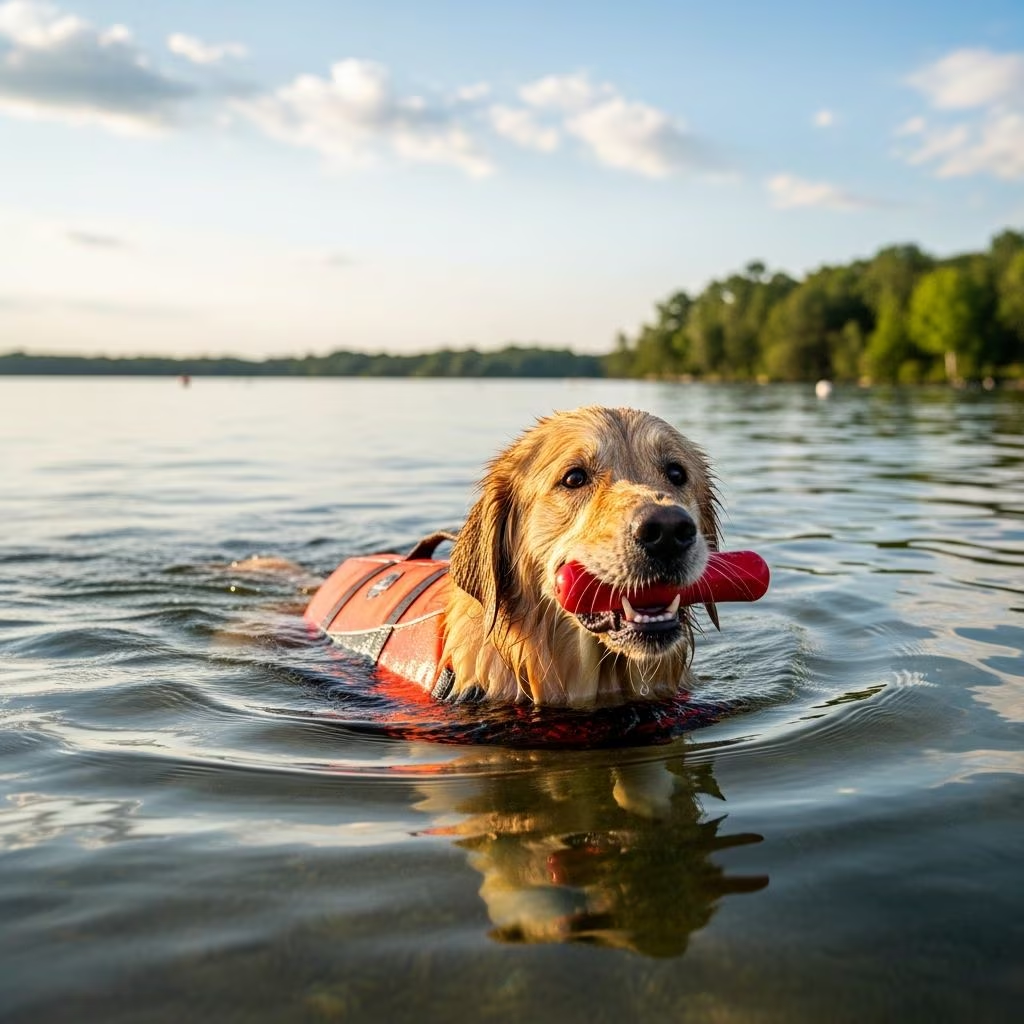
Swimming offers dogs excellent exercise, joint relief, and fun, but water environments pose serious risks like drowning, infections, and chemical exposure. Proper preparation and vigilance prevent tragedies, ensuring enjoyable aquatic adventures for pets of all ages and breeds.
Understanding Breed-Specific Swimming Abilities
Not every dog is a natural swimmer. Certain physical traits influence water competence. Brachycephalic breeds, such as Pugs, Bulldogs, and French Bulldogs, face challenges due to short snouts, broad chests, and short legs, leading to quicker fatigue and higher sinking risk. These dogs struggle with breathing and buoyancy, making pools or open water hazardous without support.
Similarly, Corgis, Boxers, and American Bulldogs often lack efficient paddling due to compact bodies. Puppies and senior dogs tire rapidly, while energetic young pups may overestimate their stamina. Even strong swimmers like Labrador Retrievers can falter in rough conditions. Always assess your dog’s comfort level before water exposure.
Pre-Swim Health Evaluations
Consult a veterinarian prior to swim sessions. Conditions like arthritis, heart disease, epilepsy, or obesity heighten risks, as exertion can exacerbate issues. Verify leptospirosis vaccination status, as contaminated water spreads this bacterial disease. For dogs with mobility concerns, professional advice tailors activities to their health profile.
Examine paws, skin, and ears for vulnerabilities. Dogs prone to allergies or infections need extra monitoring post-swim to avoid irritations from chlorine or saltwater.
Essential Gear for Canine Swimmers
Invest in reliable equipment to bolster safety:
- Dog Life Jackets: Mandatory for non-swimmers, puppies, seniors, brachycephalic breeds, and boats. They provide buoyancy, keeping heads above water, and include handles for rescues. Choose adjustable, well-fitted models with neck and belly support.
- Collars, Leashes, and ID: Attach a recall leash for training and guidance. Ensure microchips and tags are current for any outing.
- Pool Ramps or Steps: Install dog-friendly exits to prevent exhaustion from failed climbs. Refresh training quarterly.
A table comparing life jacket features:
| Feature | Benefit | Suitable For |
|---|---|---|
| Handle on back | Easy rescue grip | All dogs |
| Neck flotation | Keeps head up | Brachycephalic breeds |
| Reflective strips | Visibility in low light | Boating/night swims |
| Quick-release buckle | Fast removal if needed | Puppies/seniors |
Training Your Dog to Swim Confidently
Introduce water gradually. Never force entry; let dogs approach at their pace. Start in shallow, calm areas using a leash for control. Place them near steps so they learn to exit instinctively, repeating until mastered. Progress to deeper zones only after proficiency.
Teach reliable recalls near water. Practice ‘come’ commands with high-value treats. For pool training, guide with a leash to ramps, reducing assistance over sessions. Monitor energy; enforce breaks to prevent overexertion.
Supervision and Environmental Precautions
Constant supervision is non-negotiable, even for expert swimmers. Fatigue, currents, or distractions cause accidents. Never leave dogs unattended near pools, lakes, oceans, or rivers.
Install fences or gates around pools to block unsupervised access. Cover pools when not in use. At beaches, watch for riptides, waves, cold water, sharp shells, or marine life. Check flags, tides, and currents before entry; stay near shore. On boats, use life vests daytime and confine at night.
Preventing Health Risks from Water Exposure
Pool chemicals like chlorine irritate skin, eyes, and stomachs if ingested. Saltwater causes dehydration or salt poisoning. Provide ample fresh water to deter drinking from pools or oceans.
Rinse dogs thoroughly post-swim to remove residues. Dry ears meticulously with cotton balls to avert infections, as downward canals trap moisture and bacteria. Symptoms include scratching, odor, swelling, or head tilting—seek vet care promptly. Check paws for cuts or dryness. Limit sessions to avoid chills or stiffness.
Establishing Family Pool Rules
Create enforceable guidelines:
- Adult supervision required for all dog swims.
- No chasing or rough play near or in water.
- Life jackets on unless vet-approved otherwise.
- Practice exit routes weekly.
- Fresh water stations always available.
- Post-swim rinse and dry mandatory.
These rules minimize risks and promote consistency.
Navigating Natural Water Bodies Safely
Lakes and rivers carry currents, underwater hazards, and leptospirosis. Oceans add tides, jellyfish, and undertows. Scout areas first: avoid strong flows, cold temps below 70°F, and posted warnings. Keep dogs leashed until safe, and within arm’s reach.
For boating, secure life vests and life rings. Teach boarding/exiting routines. Nighttime confinement prevents overboard falls in darkness.
Post-Swim Recovery and Monitoring
After swims, observe for distress: limping, coughing, lethargy, or gastrointestinal upset signals problems. Towel-dry thoroughly, especially thick-coated breeds, to prevent hypothermia. Offer rest in shaded, cool areas with fresh water.
Schedule vet check-ups post-frequent swims for ear, skin, or eye issues. Adjust frequencies based on breed and health.
Frequently Asked Questions
Can all dogs swim safely?
No, brachycephalic and short-legged breeds often need life jackets and training.
How do I teach pool exit?
Use a leash to guide from various entry points to steps, repeating until independent.
Is pool water toxic to dogs?
Ingestion causes mild upset from chlorine; provide fresh water alternatives.
What if my dog hates water?
Don’t force it; opt for land exercises. Some dogs never adapt.
Are life jackets necessary for good swimmers?
Recommended for puppies, seniors, boats, and rough waters.
Conclusion
Armed with these strategies—from vet checks and gear to vigilant supervision—dog owners can facilitate safe, joyful water play. Prioritize prevention to avoid emergencies, letting swims strengthen bonds without peril.
References
- The Dos and Don’ts of Dog Water Safety — VCA Animal Hospitals. 2023. https://vcahospitals.com/resources/lifestyle-dog/hazards-safety/the-dos-and-don-ts-of-dog-water-safety
- Splish Splash! Pool Safety Tips for Dogs — Gause Boulevard Veterinary Hospital. 2025-07-01. https://gauseblvdvet.com/2025/07/01/splish-splash-pool-safety-tips-for-dogs/
- Entering the Canine Splash Zone: Water Safety Tips for Dogs — Coastal Pet. 2023. https://www.coastalpet.com/blog/entering-the-canine-splash-zone-water-safety-tips-for-dogs/
- Pool Safety for Dogs — Bark Busters. 2023. https://www.barkbusters.com/news/pool-safety-for-dogs
- 5 Tips for Dog Swimming Safety — Animal Rescue League of Boston. 2023. https://www.arlboston.org/dog-swimming-safety-5-tips/
- Pool Safety for Dogs: Swim Tips, Supplies & More — Hill’s Pet Nutrition. 2023. https://www.hillspet.com/dog-care/routine-care/pool-safety-for-dogs



