

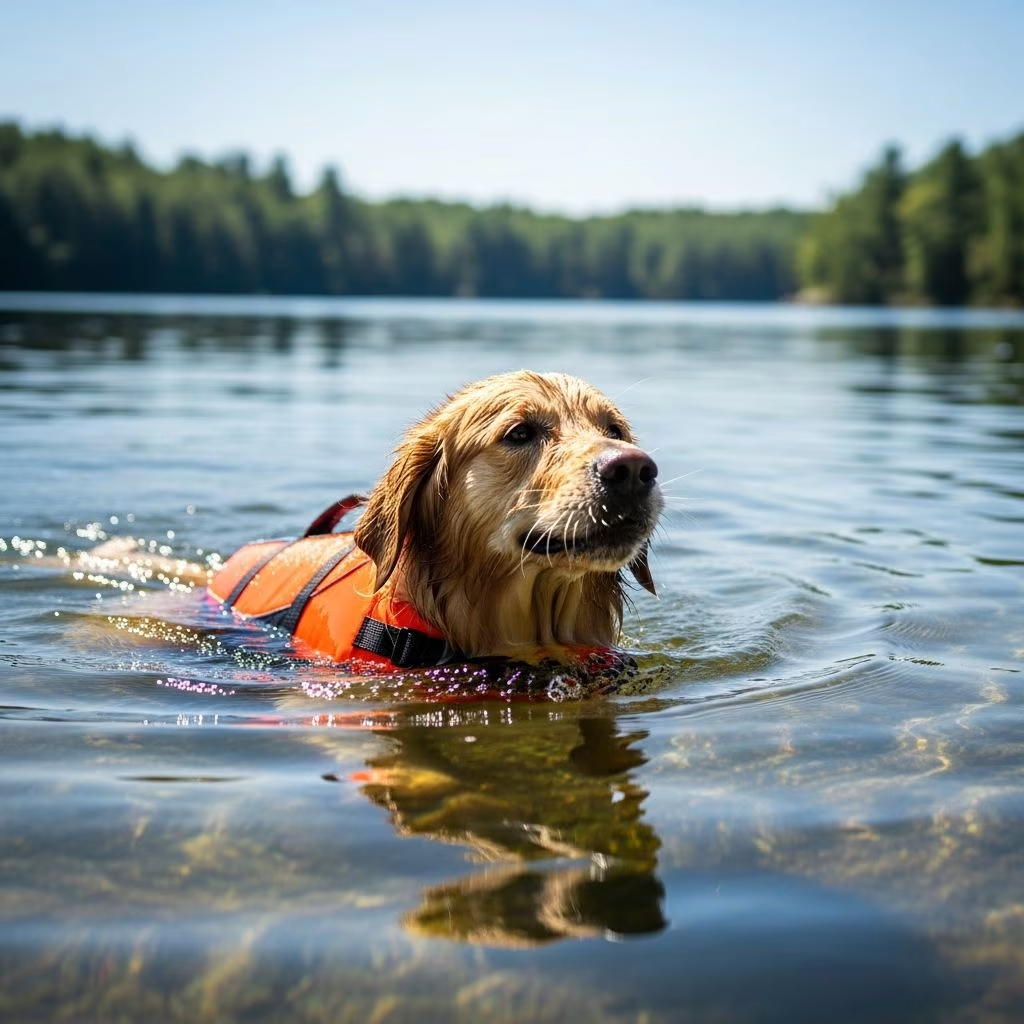
Water activities offer dogs excellent exercise and cooling relief, but they come with risks that demand careful preparation. Proper safety measures ensure enjoyable swims without accidents in pools, lakes, beaches, or rivers.
Understanding Breed-Specific Swimming Abilities
Not every dog is a natural swimmer. Breeds with short snouts, known as brachycephalic types like Pugs, Bulldogs, and Boxers, face challenges due to compact airways and body structures that hinder efficient paddling. These dogs tire quickly and struggle to keep their heads above water, increasing drowning risks.
Similarly, Corgis and other short-legged breeds have difficulty staying afloat because of their proportions. Puppies and senior dogs also require extra caution; young ones lack coordination and stamina, while older pets may have reduced mobility.
- Assess your dog’s aptitude: Observe initial reactions in shallow water before deeper immersion.
- Avoid forcing participation: Some dogs prefer land activities, and coercion can lead to fear or panic.
Essential Gear for Secure Water Play
Investing in the right equipment prevents mishaps. A well-fitted dog life jacket provides buoyancy, especially for vulnerable breeds or during boat trips. Choose models with handles for easy retrieval and neck support to keep the head elevated.
Collars, leashes, and updated ID tags or microchips are must-haves for off-leash areas. For pools, install fences or covers to restrict unsupervised access. Ramps or steps ensure easy exits, critical for preventing exhaustion-related incidents.
| Gear Item | Best For | Key Features |
|---|---|---|
| Life Jacket | Weak swimmers, puppies, seniors | Handle, neck support, adjustable straps |
| Pool Fence | Home pools | Self-closing gates, perimeter design |
| Swim Ramp | Pools, docks | Non-slip surface, easy access |
| Recall Leash | Training sessions | Long, buoyant material |
Step-by-Step Training for Confident Swimmers
Introduce water gradually to build comfort. Begin in shallow areas, letting your dog chase toys or wade naturally. Never throw them in; this creates trauma and aversion.
Enter the water together, supporting their hindquarters to teach floating. Use a recall leash to guide them to exit points like steps, repeating until they navigate independently. Refresh this skill every few months, even for experienced swimmers.
- Shallow play: Encourage paw paddling at the edge.
- Supported swims: Lift rear end while they propel forward.
- Leash-guided exits: Direct to ramps or stairs.
- Supervised free swims: Monitor from close range.
For pool training, start at steps and progress outward, always prioritizing the exit route. Boating dogs need life vests during the day and secure indoor spots at night.
Supervision and Environmental Hazard Checks
Constant vigilance is non-negotiable, regardless of swimming prowess. Tired dogs can falter suddenly, especially in currents or waves. Watch energy levels and enforce frequent breaks.
Inspect conditions beforehand: Avoid cold water that risks hypothermia— if it’s uncomfortable for you, skip it for your pet. Scan for rip currents, algal blooms, sharp shells, or wildlife. At beaches, check flags for hazards and keep dogs near shore. Provide fresh drinking water to prevent pool or saltwater ingestion, which causes gastrointestinal upset or dehydration.
- Break protocol: Rest every 15-20 minutes, offer shade and fresh water.
- Proximity rule: Stay within arm’s reach for beginners.
- Weather watch: Exit during storms or high winds.
Post-Swim Health Maintenance
After sessions, dry ears thoroughly with cotton balls to prevent infections, as downward canals trap moisture and bacteria. Symptoms include scratching, odor, swelling, or imbalance—consult a vet promptly if noticed.
Rinse off chlorine or salt to avoid skin dryness and paw irritation. Check pads for cuts from shells or rough surfaces. Monitor for fatigue, shivering, or lethargy indicating overexertion or chill.
Venue-Specific Safety Strategies
Backyard Pools
Secure gates and alarms; teach exit navigation early. Chlorinated water is generally safe in moderation, but discourage drinking.
Lakes and Rivers
Assess currents and visibility; life jackets essential for uneven bottoms.
Oceans and Beaches
Watch tides, jellyfish, and undertows; limit to calm shallows.
Boats and Docks
Mandatory life vests; non-slip mats and quick-access retrieval tools.
Frequently Asked Questions
Can all dogs learn to swim?
Most can with patient training, but brachycephalic breeds may never excel and need flotation aids.
How often should I train pool exits?
Every 4 months for avid swimmers; more frequently for occasional ones.
Is pool water harmful if swallowed?
Small amounts are diluted and mild, but excess chlorine or salt leads to stomach issues—provide fresh alternatives.
What if my dog hates water?
Respect their preference; opt for dry exercises like fetch or walks.
Do puppies need life jackets?
Yes, due to clumsiness and quick fatigue.
Building a Safe Water Routine
Incorporate safety into every outing: gear checks, condition assessments, training refreshers, and health monitoring. This approach turns water play into a bonding, healthy pastime. With these protocols, dogs thrive in aquatic environments year-round.
References
- Entering the Canine Splash Zone: Water Safety Tips for Dogs — Coastal Pet. 2023. https://www.coastalpet.com/blog/entering-the-canine-splash-zone-water-safety-tips-for-dogs/
- Pool Safety for Dogs — Bark Busters. 2024. https://www.barkbusters.com/news/pool-safety-for-dogs
- Pet Water Safety: Staying Safe at the Pool, Beach, or Lake — MedVet. 2024. https://www.medvet.com/pet-water-safety/
- 5 Tips for Dog Swimming Safety — Animal Rescue League of Boston. 2023. https://www.arlboston.org/dog-swimming-safety-5-tips/
- Pool Safety for Dogs: Swim Tips, Supplies & More — Hill’s Pet Nutrition. 2024. https://www.hillspet.com/dog-care/routine-care/pool-safety-for-dogs



