Dog Water Safety Essentials
Discover vital strategies to ensure your dog enjoys water activities safely, from breed-specific risks to essential gear and training techniques.
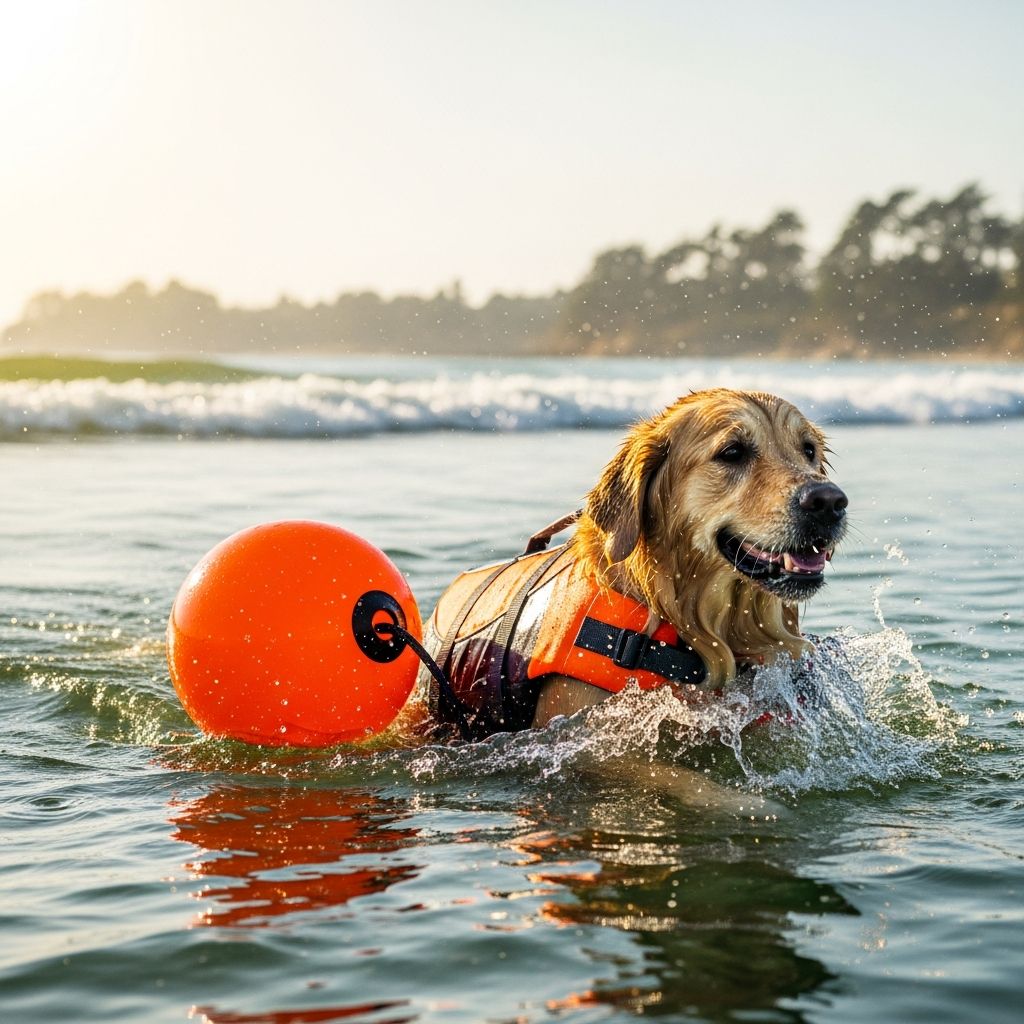
Water offers dogs endless fun through swimming, play, and exercise, but it also poses serious risks like drowning if precautions are overlooked. Understanding breed limitations, proper training methods, and safety equipment can prevent tragedies and ensure enjoyable aquatic adventures.
Understanding Why Some Dogs Struggle in Water
Not every dog instinctively masters swimming despite the common “doggy paddle” image. Breeds with short snouts, heavy builds, or disproportionate bodies often face challenges staying afloat or coordinating movements effectively. For instance, brachycephalic dogs like pugs or bulldogs tire quickly due to their compact frames and respiratory issues, increasing submersion risks.
Puppies and senior dogs also require extra caution; young ones lack coordination and stamina, while older pets may have arthritis or reduced mobility that hinders paddling. Even strong swimmers can falter in currents, cold water, or when fatigued, emphasizing the need for tailored safety approaches.
Essential Gear for Canine Aquatic Protection
Investing in proper equipment forms the foundation of dog water safety. A well-fitted dog life jacket provides buoyancy, especially for novice or vulnerable swimmers, featuring handles for easy rescue and visibility aids for spotting in open water.
Choose jackets with adjustable straps, foam flotation under the belly, and neck support to keep heads above water. For boating or open water, these are mandatory, as nighttime visibility drops sharply. Pool owners should install pet-friendly ramps or wide steps with non-slip surfaces, allowing independent entry and exit to avoid exhaustion from failed climbs.
Fencing around pools acts as a primary barrier, paired with alarms that detect disturbances for unsupervised moments. Long, floating leashes attached to harnesses offer control without restricting natural movement in safer areas.
Step-by-Step Guide to Teaching Your Dog to Swim
Introduce water gradually to build confidence without overwhelming your pet. Start in shallow, calm areas like a kiddie pool or lake edge, encouraging entry with toys or treats.
- Accompany your dog into the water, supporting hindquarters to mimic natural paddling if front legs engage first.
- Use positive reinforcement, tossing toys short distances initially, then progressing to deeper spots.
- Practice exit routes repeatedly, guiding them to ramps or steps until instinctive.
- Monitor for panic signs like frantic paddling or stiff postures, retreating to shallower water immediately.
For hesitant dogs, desensitization works wonders: let them wade paws-first over multiple sessions. Always prioritize short, fun dips over forced immersion, consulting vets for health clearances beforehand.
Supervision Strategies Across Water Environments
| Water Type | Key Risks | Safety Measures |
|---|---|---|
| Pool | Slippery edges, chemical exposure | Fence, ramp, constant watch |
| Lake/River | Currents, debris, depth changes | Life jacket, stay near shore, check conditions |
| Ocean/Beach | Waves, tides, undertow | Enter on small waves, rinse after saltwater |
| Boat | Falling overboard, night visibility | Life vest always, secure at night |
Supervision means never turning away, even for expert swimmers, as fatigue strikes swiftly. Assess energy levels, enforcing breaks with fresh water to combat dehydration—swimming doesn’t prevent overheating. In dynamic waters, observe currents, tides, and temperatures (ideal 60-75°F); cold shocks induce hypothermia.
For off-leash zones, confirm strong recall and swimming ability first, using training lines for security. Boating demands life jackets daytime and indoor confinement at night.
Recognizing and Responding to Water-Related Distress
Early detection saves lives. Watch for dilated pupils, vertical paddling, or clawing at water—intervene by grabbing the life jacket handle. Post-swim, note tail-dragging (swimmer’s tail), vomiting (toxins or salt), or imbalance signaling infections or poisoning.
Provide shade, small fresh water sips, and monitor 24-48 hours. Puppies tire fastest, so limit sessions.
Post-Swim Care to Prevent Infections and Irritation
Water harbors bacteria, chlorine, and salt that irritate skin and ears. Rinse thoroughly with fresh water post-dip, using dog-safe shampoo for oceans or pools.
Dry ears meticulously with cotton balls and solutions to avert infections—symptoms include scratching, odor, swelling, or head tilting. Inspect paws for cuts from debris and apply balms if needed. Hydrate frequently, as swimming dehydrates despite immersion.
Breed-Specific Considerations and Training Adaptations
Tailor approaches by breed. Brachycephalic types need constant flotation; short-legged breeds benefit from supportive jackets. Athletic breeds like retrievers adapt quickly but still require exit practice.
For surfing or boards, train on sand first with life jackets, progressing to shallow waves using sit/stay commands. Age matters: seniors swim in warmer, calmer waters with shorter durations.
FAQs on Dog Water Safety
Do all dogs need life jackets?
No, proficient swimmers in controlled settings may not, but they’re recommended for beginners, brachycephalic breeds, puppies, seniors, or open water.
How cold is too cold for dog swimming?
Avoid below 60°F to prevent hypothermia; if uncomfortable for you, it’s too cold for them.
Can dogs get sunburned or dehydrated swimming?
Yes, apply pet sunscreen and provide fresh water breaks, as immersion doesn’t hydrate.
What if my dog panics in water?
Calmly support them to shore, end the session positively, and retry gradually without force.
How do I clean my dog after pool or ocean swims?
Rinse head-to-tail, shampoo if chlorinated/salty, dry ears, and check for irritants.
Building Long-Term Water Confidence
Consistency breeds mastery. Regular, supervised sessions in varied safe environments enhance skills and enjoyment. Enroll in dog swim classes for structured guidance if home training stalls. Vet check-ups ensure fitness for water activities, catching issues like joint problems early.
Ultimately, preparation transforms water from hazard to highlight of your dog’s life, fostering health through low-impact exercise while minimizing risks.
References
- 5 Tips for Dog Swimming Safety — Animal Rescue League of Boston. 2023. https://www.arlboston.org/dog-swimming-safety-5-tips/
- The Complete Guide to Dog Swimming: Pools, Rivers, Lakes, Oceans — Pet Releaf. 2024. https://petreleaf.com/blogs/blog/the-complete-guide-to-dog-swimming-pools-rivers-lakes-oceans
- Pet Water Safety: Staying Safe at the Pool, Beach, or Lake — MedVet. 2024. https://www.medvet.com/pet-water-safety/
- 7 Pool Safety Tips for Dogs — PetMD. 2024. https://www.petmd.com/dog/general-health/pool-safety-tips-for-dogs
- Protect Your Pets with These Water Safety Tips — Gladwyne Veterinary Hospital. 2023. https://www.gladvets.org/articles/433170-protect-your-pets-with-these-water-safety-tips
- Dog Water Safety — Virginia Beach SPCA. 2024. https://vbspca.com/dog-water-safety/
- The Dos and Don’ts of Dog Water Safety — VCA Animal Hospitals. 2024. https://vcahospitals.com/resources/lifestyle-dog/hazards-safety/the-dos-and-don-ts-of-dog-water-safety
Similar Articles







Read full bio of medha deb