

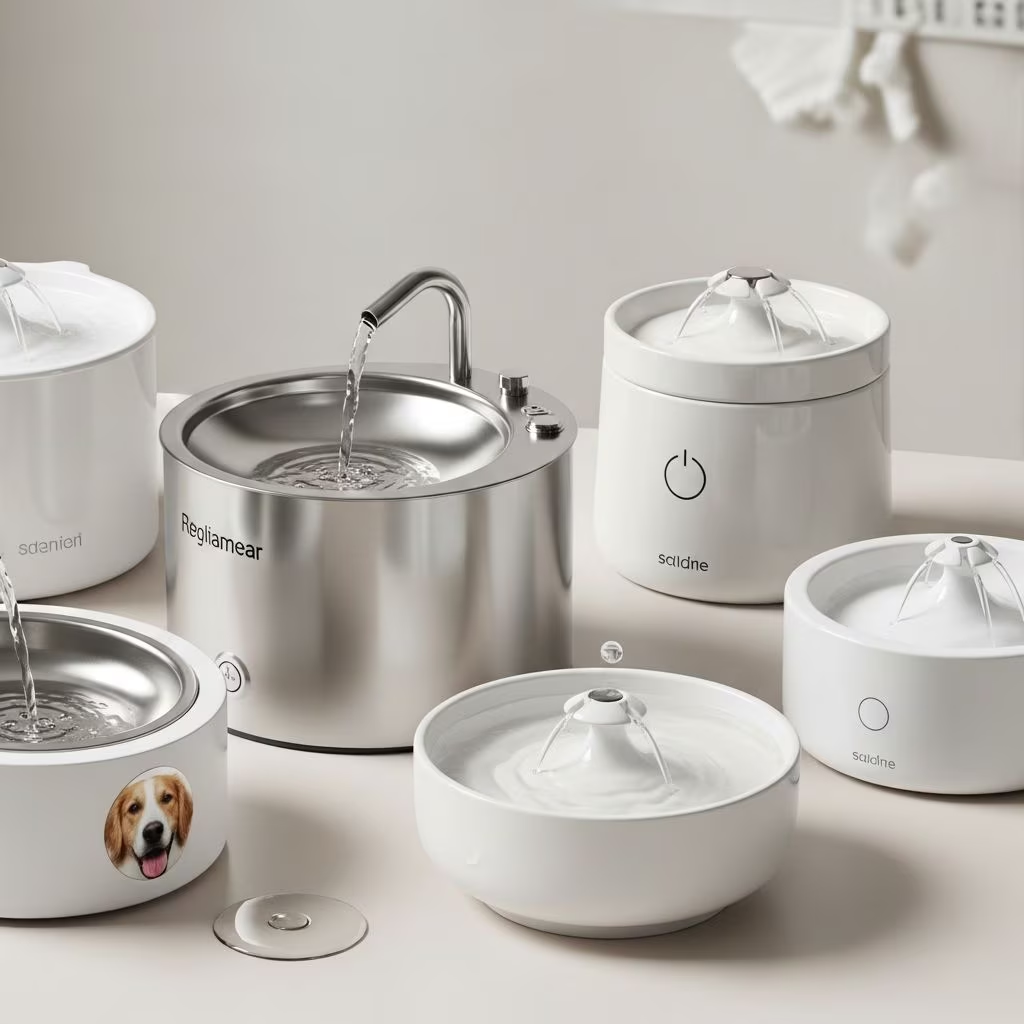
Dog water fountains provide a continuous flow of fresh, filtered water that appeals to dogs’ natural instincts, promoting better hydration and health compared to static bowls. These devices use pumps to circulate water, keeping it oxygenated and clean while reducing the need for frequent refills.
Why Dogs Need Better Hydration Options
Hydration is critical for dogs to regulate body temperature, support digestion, and prevent issues like urinary tract infections or kidney disease. Traditional bowls often hold stagnant water that dogs ignore, leading to insufficient intake. Fountains address this by mimicking natural streams, encouraging more frequent drinking through sight, sound, and movement.
Research indicates dogs prefer cooler water, which fountains maintain via constant circulation. This is particularly beneficial in warm climates or for active breeds. For multi-dog households or large breeds, high-capacity models ensure ample supply without constant monitoring.
Core Advantages of Investing in a Dog Water Fountain
Dog water fountains offer multiple benefits that enhance pet well-being and owner convenience. Here’s a breakdown:
- Boosted Water Intake: The flowing water stimulates dogs’ instincts, leading to increased consumption. This helps prevent dehydration, especially after exercise or in hot weather.
- Superior Water Quality: Built-in filters remove hair, debris, food particles, and odors, preventing bacterial growth in stagnant conditions.
- Effortless Maintenance: Large reservoirs mean fewer refills, ideal for busy owners or those away from home.
- Health Protection: Cleaner water reduces risks of infections and supports kidney function through consistent hydration.
- Hygienic Design: Circulation discourages algae and microbes, keeping water fresher longer than bowls.
Essential Features to Evaluate When Choosing a Fountain
Selecting the right dog water fountain involves assessing capacity, filtration, noise levels, and materials. Prioritize models suited to your dog’s size and household needs.
| Feature | Description | Benefits |
|---|---|---|
| Capacity | 2-5 liters or more for multi-pet homes | Reduces refills; suits large breeds |
| Filtration | Multi-layer (carbon, foam, pre-filter) | Removes impurities; maintains purity |
| Pump Noise | Ultra-quiet (<30dB) | Reduces pet stress; home-friendly |
| Material | Stainless steel or BPA-free plastic | Durable, easy-clean, non-toxic |
| Flow Options | Adjustable streams or multiple spouts | Appeals to picky drinkers |
Advanced models include app connectivity for monitoring intake, alerting owners to changes that might signal health issues.
Comparing Popular Dog Water Fountain Types
Different designs cater to varied preferences. Gravity-fed vs. electric pumps offer trade-offs in reliability and appeal.
- Electric Pump Fountains: Most common; provide continuous flow and filtration. Best for indoor use with quiet motors.
- Gravity Fountains: No electricity needed; simple but less effective at keeping water fresh or enticing dogs.
- Smart Fountains: WiFi-enabled for tracking hydration via apps; ideal for health-conscious owners.
- Outdoor Models: Weather-resistant with solar options for yard use, though less filtered.
For large dogs, opt for 360-degree spouts allowing easy access from all sides.
Health Impacts: How Fountains Support Canine Wellness
Beyond convenience, fountains contribute to long-term health. Consistent access to cool, filtered water aids in preventing heatstroke and supports organ function. The American Kennel Club notes that while evidence is stronger for cats, dogs showing interest in running water (e.g., hoses) benefit similarly.
Filtered systems trap contaminants that could harbor pathogens, reducing gastrointestinal upset. For seniors or breeds prone to kidney issues (e.g., Bulldogs), steady hydration is vital. Owners report improved energy and coat quality in dogs using fountains regularly.
Practical Setup and Daily Use Tips
Place the fountain in a stable, accessible spot away from food to avoid spills. Elevate for large breeds to reduce back strain. Initial setup takes minutes: assemble, fill, plug in, and install filter.
- Rinse all parts before first use.
- Fill with cool tap water (avoid distilled to protect pump).
- Prime the pump if needed.
- Monitor for first few days to ensure acceptance.
Introduce gradually if your dog hesitates—add familiar toys nearby or demonstrate drinking.
Maintenance Guide for Longevity and Hygiene
Regular care prevents clogs and bacterial buildup, extending fountain life up to 3-5 years.
- Daily: Wipe rim; check water level.
- Weekly: Rinse reservoir; replace filter every 2-4 weeks depending on use.
- Monthly: Disassemble and deep clean with pet-safe vinegar solution; inspect pump.
- Troubleshooting: If flow weakens, clean impeller; quiet models rarely need oiling.
Stock extra filters for uninterrupted use. Stainless steel resists scratches better than plastic during cleaning.
Potential Drawbacks and Solutions
No product is perfect. Noise from cheaper pumps can startle dogs—choose sub-30dB models. Filters add ongoing costs ($10-20/month), but bulk buys save money. Power dependency means backups for outages; gravity options as alternatives.
Some dogs take time to adapt; persistence pays off. Not all prove dramatic intake increases for dogs vs. cats, per veterinary insights.
Top Recommendations Based on User Needs
For **small homes/single dogs**: Compact 2L fountains with basic filtration.
For **large breeds/multi-pets**: 5L+ capacity, multi-spout designs.
For **tech-savvy owners**: App-monitored smart units.
Budget under $50 for entry-level; $100+ for premium quiet, steel builds.
Frequently Asked Questions (FAQs)
Do dog water fountains really make dogs drink more?
They encourage intake via flowing water, though results vary. Dogs preferring hoses often respond well.
How often should I change the filter?
Every 2-4 weeks, or sooner in dirty environments.
Are they safe for all dogs?
Yes, with non-toxic materials. Supervise puppies to prevent chewing cords.
Can I use them outdoors?
Select weatherproof models; avoid standard indoors ones.
What’s the energy cost?
Minimal, like a nightlight—under $5/year.
Final Thoughts on Elevating Your Dog’s Hydration
Switching to a dog water fountain transforms routine hydration into an engaging, healthy habit. With filtration, large capacities, and quiet operation, they outperform bowls for cleanliness and appeal. Invest based on your dog’s needs for lasting benefits.
References
- Could Your Dog Benefit From Using a Pet Water Fountain? — American Kennel Club (AKC). 2023-06-15. https://www.akc.org/expert-advice/lifestyle/dog-water-fountain/
- Top Reasons to Get a Dog Water Fountain — Meowant. 2024-02-10. https://meowant.com/blogs/buying-guide/top-reasons-to-get-a-dog-water-fountain
- How Smart Water Fountains Keep Your Pet Hydrated and Healthy — Petverse. 2024-08-22. https://www.petverse.in/blogs/pet-blogs/how-smart-water-fountains-keep-your-pet-hydrated-and-healthy
- A Flow of Benefits: The Pros and Cons of Pet Water Fountains — Wired Whisker. 2023-11-05. https://www.wiredwhisker.com/blog/the-pros-and-cons-of-pet-water-fountains
- Pros and Cons of Pet Water Fountains — Pet Assure. 2023-04-18. https://www.petassure.com/maxscorner/pros-and-cons-pet-water-fountain/



