

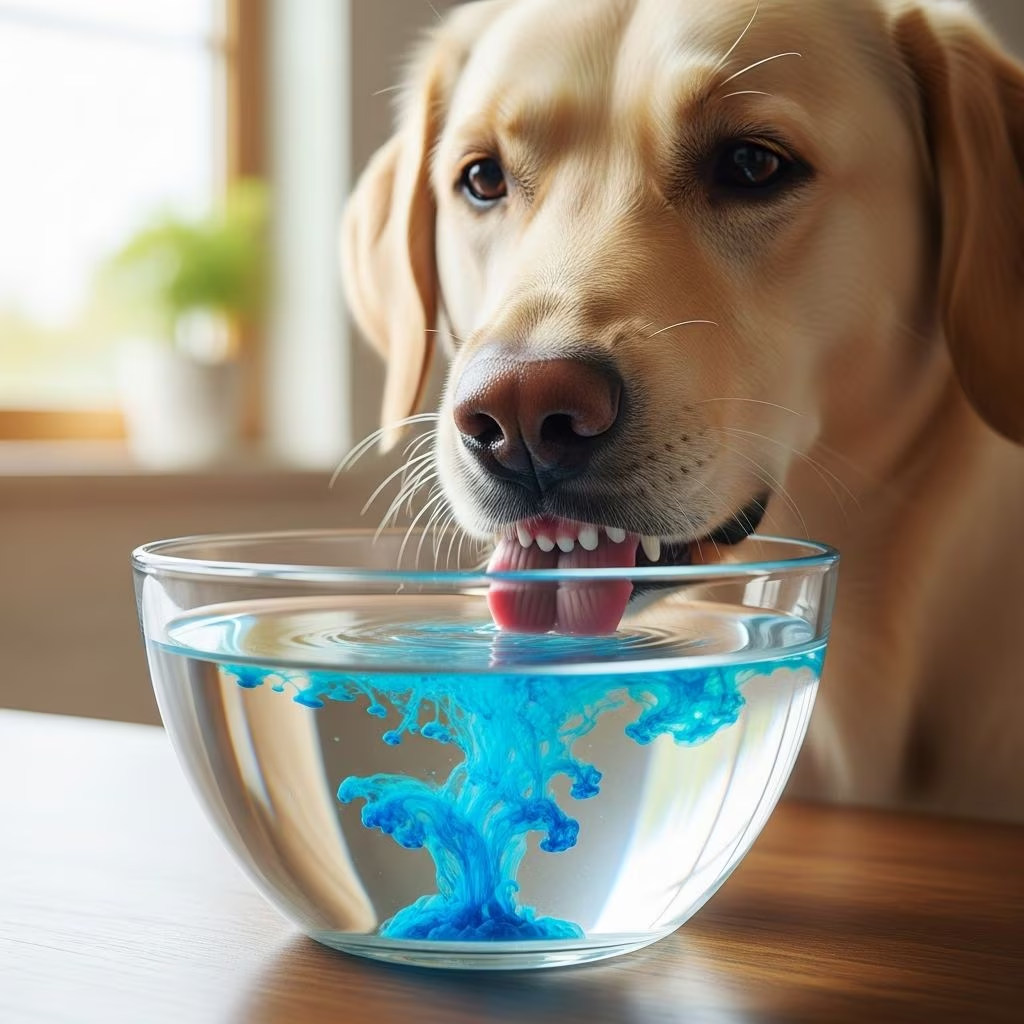
Dog water additives offer a simple way to support dental hygiene by mixing directly into drinking water, targeting plaque, tartar, and bad breath without daily brushing.
Why Dogs Need Better Oral Care Solutions
Canines frequently suffer from dental problems due to plaque accumulation, which hardens into tartar and leads to gingivitis or periodontal disease. These conditions cause pain, tooth loss, and even systemic health issues like heart disease. Traditional brushing proves challenging for many owners, making additives a convenient alternative that leverages natural drinking habits.
Water additives work by introducing antibacterial agents that disrupt bacterial biofilms on teeth, neutralize odors, and maintain a balanced oral pH. Studies confirm their ability to reduce dental deposits post-cleaning, improving gum health over 30 days.
Key Benefits for Your Dog’s Teeth and Gums
- Reduces Plaque and Tartar: Active components break down bacterial coatings, preventing buildup that leads to calculus.
- Freshens Breath Naturally: Targets odor-causing bacteria rather than masking smells, providing long-lasting results.
- Supports Gum Health: Lowers inflammation and promotes healing by limiting bacterial growth.
- Convenient Daily Use: No need for brushing; dogs consume it effortlessly through water intake.
- Multi-Pet Friendly: Many formulas suit both dogs and cats, ideal for households with various pets.
Safe and Effective Ingredients to Look For
Choose products with vet-formulated, natural components for optimal safety and efficacy. Common beneficial ingredients include:
| Ingredient | Function | Benefits |
|---|---|---|
| Zinc Chloride | Binds to proteins | Inhibits odor bacteria, supports immunity and healing |
| Glucosamine | Joint support additive | Enhances dental care for senior dogs |
| Prebiotics | Gut health booster | Combines oral and digestive benefits |
| Cranberry Extract (for cats) | Urinary aid | Prevents bacterial adhesion, adds antioxidants |
| Pomegranate Derivatives | Antibacterial agent | Reduces plaque and improves gingival health |
Opt for additives accepted by the Veterinary Oral Health Council (VOHC), ensuring proven effectiveness without untested claims.
Ingredients to Avoid in Dog Water Products
Not all additives are safe; some contain toxins harmful to dogs. Always scrutinize labels:
- Xylitol: Artificial sweetener causing rapid insulin release, hypoglycemia, seizures, and clotting issues—even tiny amounts are deadly.
- Artificial Dyes and Flavors: May trigger allergies, digestive upset, or skin irritations.
- Harsh Preservatives: Parabens, sulfates, or strong chemicals can irritate sensitive stomachs.
- High Sodium Levels: Excess salt in some bottled or mineral waters risks electrolyte imbalance; limit to 0.5% of diet.
Steer clear of human mouthwashes, which often include birch sugars or fluoride in toxic doses for pets.
How to Introduce Water Additives Safely
Follow these steps for seamless integration:
- Consult Your Vet: Especially for puppies, seniors, or dogs with health conditions like diabetes, kidney issues, or sensitive digestion.[10]
- Check Dosage: Base on your dog’s weight and breed; start with half the recommended amount to test tolerance.
- Mix Fresh Daily: Add to clean water and replace the bowl regularly to avoid bacterial growth.
- Monitor Intake: Watch for refusal of water, which could lead to dehydration—switch products if needed.
- Combine with Routine Care: Use alongside brushing and professional cleanings for best results; additives don’t replace them.
Potential Side Effects and Monitoring Tips
While most dogs tolerate additives well, sensitive individuals may experience:
- Soft stools or diarrhea from digestive irritation.
- Reduced appetite or water avoidance, risking dehydration.
- Allergic signs like itching, swelling, or vomiting—discontinue immediately.
- Increased thirst or changes in urine, signaling imbalance.
For dogs with pre-existing conditions such as liver disease or gastrointestinal problems, veterinary approval is crucial before use. Gradually introduce and observe for 48-72 hours.
Comparing Popular Water Additive Types
| Type | Key Features | Best For | Potential Drawbacks |
|---|---|---|---|
| Basic Dental Formula | Antibacterial, breath freshening | All dogs | May alter taste slightly |
| Hip & Joint Enhanced | Dental + glucosamine | Seniors, active breeds | Higher cost |
| Gut Health Variant | Dental + prebiotics | Dogs with tummy issues | Not for all sensitivities |
| Odorless Options | No taste/smell, pH balancer | Picky eaters | Less immediate breath results |
Products like those with Biotrate Technology maintain oral pH without noticeable flavor, suiting finicky dogs.
Scientific Evidence Backing Water Additives
Research validates their role in oral maintenance. A study on a pomegranate-based additive showed significant plaque and calculus reduction, plus gingival improvements after professional cleaning. VOHC-accepted items undergo rigorous testing for bacterial control and safety. These non-invasive tools suit owners short on time, outperforming chews calorically while rivaling brushing efficacy.
FAQs on Dog Water Additives
Are water additives safe for daily use?
Yes, VOHC-approved ones are safe long-term when dosed correctly, but consult vets for chronic conditions.
Can puppies or pregnant dogs use them?
Gentle, natural formulas work for puppies; avoid during pregnancy unless vet-recommended.
Do they replace vet dental cleanings?
No, they complement professional care and home brushing for comprehensive prevention.
What if my dog won’t drink treated water?
Try odorless varieties or dilute further; ensure hydration with plain water alternatives.
Are they okay for cats too?
Many dual-species formulas exist, but confirm cat-safe labeling.
Integrating Additives into a Full Dental Routine
For peak oral health, pair additives with:
- Weekly tooth brushing using enzymatic paste.
- Dental chews or toys 2-3 times weekly.
- Annual vet exams with cleanings as needed.
- Diet rich in dental-supporting kibble.
This holistic approach minimizes disease risk, saving costly treatments later.
References
- The Truth About Dog Water Additives — Scenthound. 2023. https://www.scenthound.com/dogblog/the-truth-about-dog-water-additives
- Top Questions About Water Additives Answered — TropiClean. 2024. https://tropiclean.com/blogs/dog-grooming/top-questions-about-water-additives-answered-by-real-pet-parent-reviews
- Water Additives for Your Dog’s Dental Health — Pets Best Life. 2023. https://petsbestlife.com/blog/water-additive-for-dogs-dental-health/
- Do Dental Water Additives for Dogs Work? — Mighty Munch. 2024. https://us.mightymunch.com/blogs/news/do-dental-water-additives-for-dogs-work
- Oral Hygiene for Dogs and Cats: Benefits of Water Additives — Creative Science. 2023. https://creative.science/education/oral-hygiene-for-dogs-and-cats-benefits-of-water-additives/
- Are Dog Mouthwashes and Dental Water Additives Safe? — Rover. 2024. https://www.rover.com/blog/does-dog-mouthwash-work/
- A water additive with pomegranate can reduce dental deposit accumulation — PMC (NCBI). 2023-10-01. https://pmc.ncbi.nlm.nih.gov/articles/PMC10570843/



