

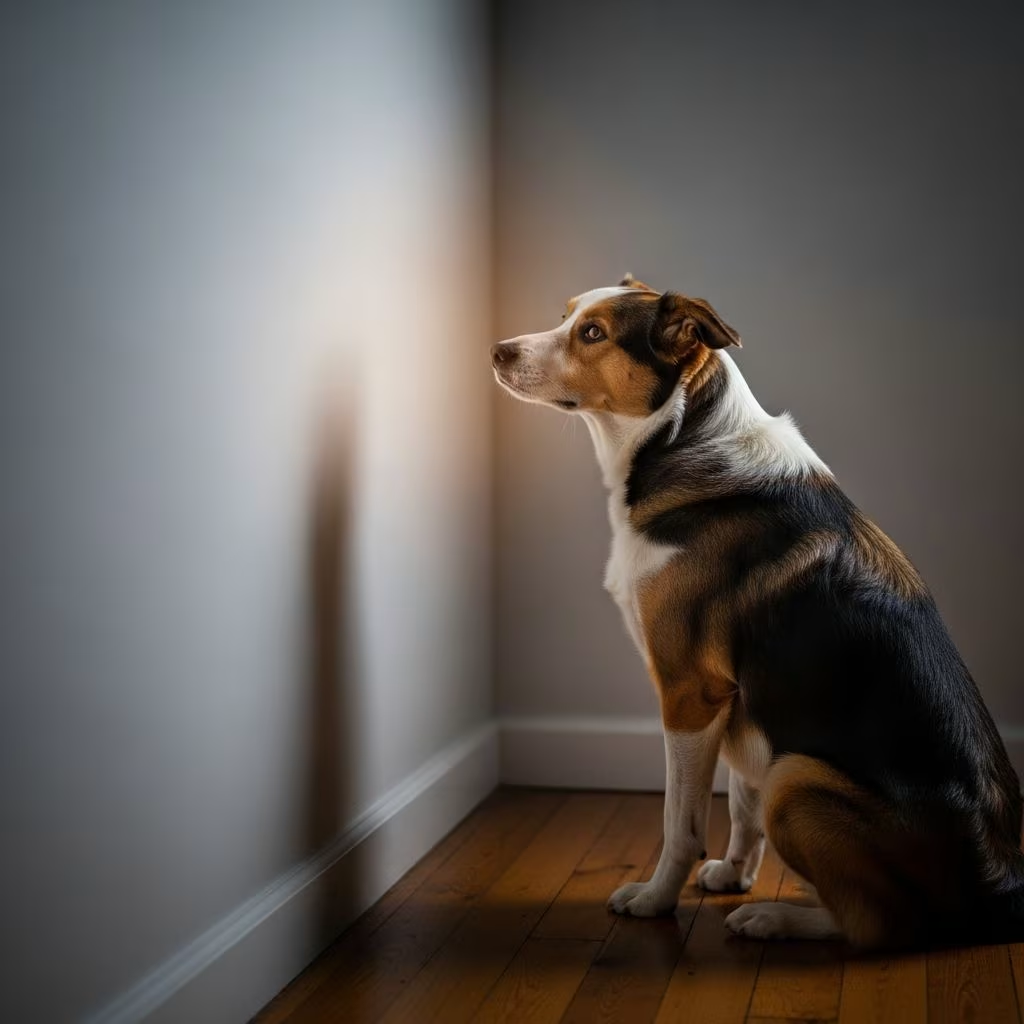
Many dog owners have witnessed their canine companions fixating on a wall or seemingly empty space, often leaving them puzzled about what could possibly capture their pet’s attention so intensely. This common behavior can stem from a variety of causes, ranging from perfectly normal sensory responses to more serious health concerns. Understanding the underlying reasons for this behavior is essential for maintaining your dog’s wellbeing and knowing when professional intervention might be necessary.
The Role of Superior Canine Hearing
One of the most frequent explanations for wall-staring behavior relates to a dog’s exceptional auditory abilities. Dogs possess significantly enhanced hearing capacity compared to humans, particularly at higher frequencies that remain completely inaudible to our ears. When your dog appears transfixed on a wall, they may be responding to sounds that exist entirely outside the range of human perception.
This heightened sensitivity allows dogs to detect various household and environmental noises that seem invisible to us. Road traffic, neighborhood activity, structural sounds within the home, and even the movement of small animals behind walls can trigger this focused attention. When your dog pauses and stares, they are essentially processing auditory information and attempting to locate or understand the source of these mysterious sounds.
The behavior is particularly pronounced when dogs detect sounds associated with their natural predatory instincts. A dog might fixate on a wall location because they perceive the presence of rodents, insects, or other small creatures hidden within the walls. This instinctual response represents normal behavior, though discovering an actual pest infestation may require professional pest control intervention rather than veterinary care.
However, when this staring behavior becomes excessively frequent or persists for prolonged periods, it may indicate underlying hearing issues. Some dogs develop unilateral hearing loss—hearing loss affecting only one ear—which can create difficulty in accurately localizing and comprehending sound sources. If you notice an unusual increase in wall-staring episodes, consulting your veterinarian would be prudent to rule out auditory complications.
Visual Stimuli and Eye-Related Explanations
Beyond auditory triggers, dogs may also fixate on walls due to visual phenomena that remain imperceptible to human observers. One intriguing possibility involves eye floaters—small, mobile particles that float within the eye’s vitreous humor. These floaters can create the appearance of movement or shadows that a dog might interpret as actual objects on the wall surface.
As dogs age, vision-related issues become increasingly common. Senior dogs may develop conditions that progressively diminish their sight, including cataracts, glaucoma, or sudden acquired retinal degeneration syndrome (SARDS). In these cases, wall-staring behavior might represent a dog’s attempt to make sense of their deteriorating visual world or their response to partial or complete blindness.
Dogs experiencing vision loss may also exhibit additional behavioral changes, such as reluctance to move, bumping into objects, or general disorientation within familiar spaces. These accompanying symptoms, combined with wall-staring episodes, should prompt a veterinary evaluation to assess your dog’s ocular health and overall vision status.
Cognitive Decline in Aging Dogs
Canine Cognitive Dysfunction (CCD), sometimes referred to as doggy dementia, represents one of the most prevalent medical explanations for persistent wall-staring behavior in dogs. This condition bears striking similarities to Alzheimer’s disease in humans and becomes increasingly common as dogs enter their senior years.
The prevalence of CCD is significant among aging canines. Research indicates that approximately 28 percent of dogs aged 11 to 12 years experience CCD symptoms, with this percentage rising substantially as dogs advance further into their senior years. Unfortunately, many additional cases go undiagnosed, as owners may attribute symptoms to normal aging rather than recognizing them as signs of cognitive decline.
Disorientation represents the primary symptom of CCD, manifesting in several characteristic ways. Dogs with this condition may wander aimlessly throughout the home, become trapped in corners, or exhibit the distinctive behavior of staring at walls. Beyond these visual cues, CCD can affect multiple aspects of a dog’s functioning:
- Changes in environmental interaction and overall orientation
- Alterations in social engagement with people
- Disrupted sleep-wake cycles and sleep patterns
- Loss of previously learned house-training habits
A particularly notable manifestation of cognitive decline involves sundowning—behavioral changes that intensify during evening hours. Dogs experiencing sundowning may exhibit restlessness, agitation, increased barking, excessive panting, and pacing during nighttime hours, while behaving relatively normally throughout the day. These nocturnal changes significantly impact both the dog’s wellbeing and their owner’s sleep quality.
The aging process in dogs has evolved as canine healthcare has improved, allowing dogs to live longer lives than previous generations. While this longevity offers additional years with our beloved pets, it also increases the likelihood that owners will encounter age-related cognitive changes.
Neurological Conditions and Brain-Related Issues
Beyond simple cognitive dysfunction, wall-staring behavior can indicate more serious neurological complications requiring prompt veterinary attention. Brain tumors represent one such condition that can produce wall-staring episodes alongside other neurological symptoms.
Dogs diagnosed with brain tumors may exhibit a constellation of symptoms extending well beyond simple staring behavior. These can include seizures, significant behavioral changes, failure to recognize previously familiar people or animals, increased sleeping, apparent lack of balance or weakness, and facial drooping. The staring episodes themselves may occur as a direct result of the tumor’s location or its impact on brain function.
Additional neurological conditions affecting the brain or spinal cord can similarly produce wall-staring behavior. Inflammation of the nervous system—encompassing conditions such as encephalitis (brain inflammation), meningitis (meningeal inflammation), myelitis (spinal cord inflammation), or combined inflammations affecting multiple nervous system components—can trigger various neurological symptoms including persistent wall-staring.
Seizure disorders present another medical condition associated with wall-staring behavior. Dogs experiencing seizures or partial seizures may stare at walls due to hallucinations or temporary disruptions in vision and hearing occurring during or following seizure episodes. The frequency and severity of these episodes can vary considerably between individual dogs.
Behavioral and Psychological Factors
Not all instances of wall-staring behavior reflect medical conditions. Psychological and behavioral factors can also motivate this peculiar fixation. Understanding these behavioral causes can help distinguish between normal and concerning staring episodes.
Compulsive Behaviors and Habits
Dogs may develop compulsive staring behavior as a learned habit or compulsive disorder. Much like other repetitive behaviors such as spinning, tail biting, excessive barking, or destructive chewing, staring can become an ingrained compulsive behavior pattern. Once established, these behaviors typically become more frequent and intense over time rather than naturally resolving.
The challenge with compulsive behaviors lies in their self-perpetuating nature—the more frequently they occur, the more difficult they become to interrupt or redirect. Dogs experiencing compulsive staring often prove extremely difficult to distract from their fixation. While simple wall-staring itself causes no direct physical harm, recognizing and documenting the frequency and duration of these episodes helps your veterinarian determine whether behavioral intervention might prove beneficial.
Anxiety and Stress Responses
Anxiety represents another behavioral explanation for wall-staring episodes. Dogs of any breed or age can develop anxiety, and it may manifest suddenly later in life even in dogs with previously stable temperaments. Environmental changes, routine disruptions, the introduction of new people or animals, or various stressors can trigger anxiety-related behaviors.
When experiencing anxiety, dogs may exhibit multiple accompanying symptoms that, together, suggest anxiety as the underlying cause:
- Standing and staring at walls or into space
- Whining or vocalization
- Pacing back and forth repeatedly
- Destructive behavior toward household items
- Excessive or inappropriate barking
- Rapid panting
- Excessive drooling
- Hiding or attempting to escape
- Visible physical tension and widened eyes
Addressing anxiety-related wall-staring typically requires identifying and minimizing triggering situations while potentially implementing behavioral modification techniques or working with professional trainers.
Attention-Seeking and Environmental Enrichment
Sometimes wall-staring reflects something far simpler: boredom or a desire for attention. Dogs lacking sufficient mental stimulation or engagement may resort to wall-staring as a means of occupying themselves or gaining their owner’s attention. These dogs often respond positively to increased interactive play, training sessions, puzzle toys, or environmental enrichment activities that provide appropriate mental and physical stimulation.
Depression, Lethargy, and General Malaise
Wall-staring behavior can also indicate that your dog simply isn’t feeling well. Dogs experiencing depression, lethargy, pain, or general illness may choose to stare into space rather than engaging in normal activities. The lack of motivation to move, play, or interact reflects the dog’s diminished physical or emotional state.
When wall-staring accompanies other signs of illness—such as appetite loss, vomiting, diarrhea, lethargy, or behavioral changes—veterinary evaluation becomes essential to identify and address the underlying health issue.
When to Seek Veterinary Guidance
Determining whether your dog’s wall-staring behavior warrants professional evaluation depends on multiple factors. Isolated, brief instances of staring at walls typically require no intervention, particularly if your dog otherwise displays normal behavior and health status.
However, several circumstances suggest that veterinary consultation would be appropriate:
- Increased frequency of staring episodes over time
- Extended duration of individual staring incidents
- Accompanying behavioral or physical symptoms
- Age-related changes suggesting potential cognitive decline
- Sudden onset of the behavior
- Resistance to normal distractions or redirection
During a veterinary examination, your veterinarian can evaluate your dog’s neurological function, vision, hearing, and overall health status. This comprehensive assessment helps identify any underlying medical conditions requiring treatment or management. Your detailed description of when the staring occurs, how long it lasts, and what other symptoms accompany it provides invaluable diagnostic information.
Practical Responses to Wall-Staring Behavior
While determining the cause of your dog’s wall-staring, several practical strategies can help address the behavior:
- Document the behavior: Keep detailed records of when staring occurs, duration, frequency, and any accompanying symptoms to share with your veterinarian
- Monitor for patterns: Note whether staring correlates with specific times of day, environmental changes, or other observable circumstances
- Provide appropriate enrichment: Offer mental and physical stimulation through play, training, and interactive toys
- Minimize stressors: Reduce known sources of anxiety and maintain consistent daily routines
- Ensure sensory comfort: Check for potential irritants affecting vision or hearing
- Schedule veterinary evaluation: Arrange professional assessment if behavior changes or intensifies
Frequently Asked Questions
Is wall-staring always a sign of a health problem?
No. Occasional wall-staring often reflects normal sensory responses to sounds or visual phenomena your dog detects. Only persistent, intensifying, or behavior-accompanied staring typically indicates medical or behavioral concerns requiring professional assessment.
Can anxiety cause dogs to stare at walls?
Yes. Anxiety and stress can trigger wall-staring behavior, typically alongside other anxiety symptoms such as pacing, whining, excessive panting, and visible tension.
What age dogs are most prone to cognitive dysfunction?
Dogs aged 11 to 12 years and older show the highest prevalence of canine cognitive dysfunction, though the condition can develop earlier in some individuals.
How can I tell if my senior dog is experiencing sundowning?
Sundowning manifests as behavioral changes primarily occurring during evening and nighttime hours, including wall-staring, pacing, increased barking, restlessness, and disrupted sleep patterns, while daytime behavior remains relatively normal.
Should I try to interrupt my dog’s wall-staring?
Occasional gentle redirection is harmless, but persistent resistance to interruption may suggest compulsive behavior or underlying medical concerns warranting veterinary evaluation.
References
- Why Is My Dog Staring at the Wall? Is This Normal? — Chewy Education. https://www.chewy.com/education/dog/training-and-behavior/why-is-my-dog-staring-at-the-wall
- Why is My Dog Staring at the Wall? — ElleVet Sciences. https://www.ellevetsciences.com/pet-care/why-is-my-dog-staring-at-the-wall/
- Dog Staring at the Wall or Staring Into Space? 10 Reasons — ToeGrips. https://toegrips.com/dog-staring-at-the-wall/
- Why Is My Dog Staring at the Wall? — American Kennel Club. https://www.akc.org/expert-advice/health/why-dog-staring-at-wall/
- Why Does My Dog Stare at Walls? Understanding the Mystery Behind the Gaze — My Woof. https://mywoof.com/blogs/articles/why-does-my-dog-stare-at-walls-understanding-the-mystery-behind-the-gaze
- Why Is My Dog Staring at Nothing? — 441 Animal Hospital. https://441animalhospitalboca.com/blog/dog-staring-at-nothing/



