

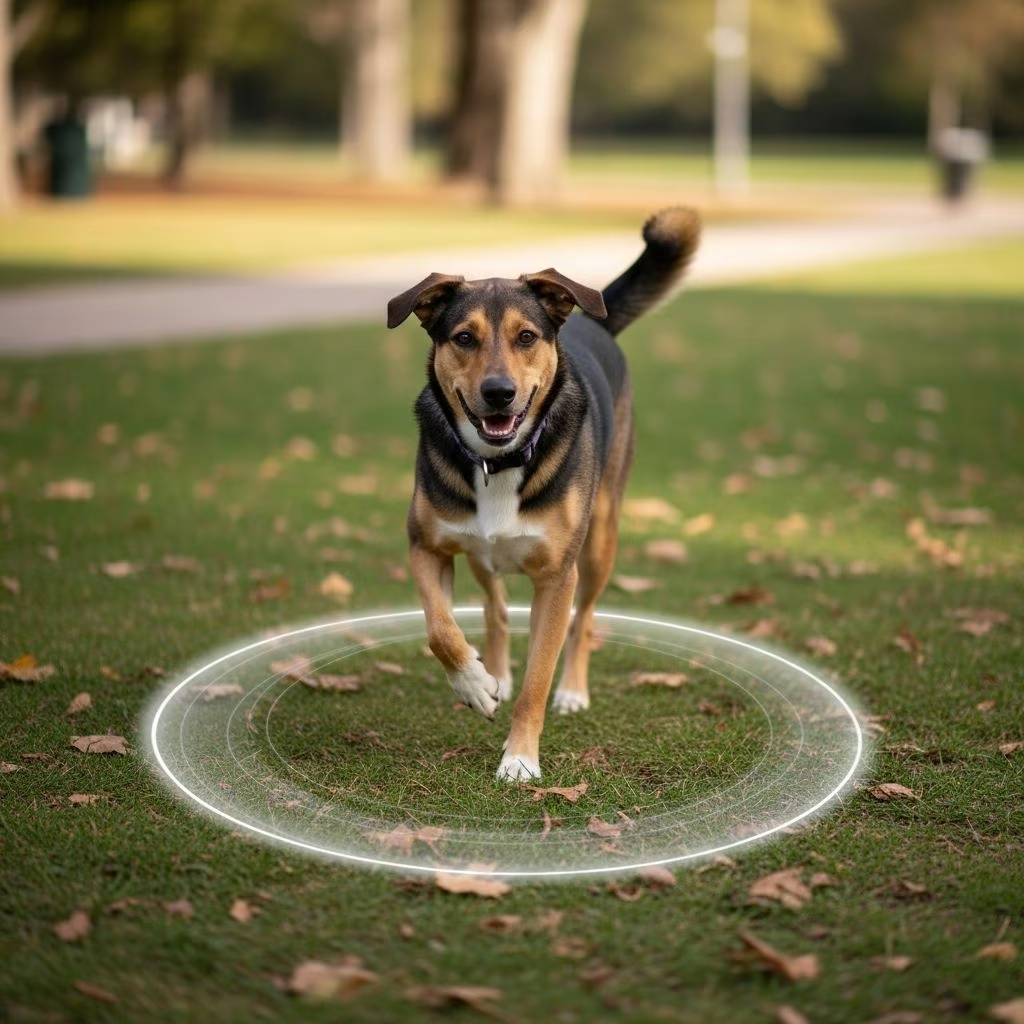
Dogs walking in circles can stem from benign habits or serious medical conditions affecting their balance, brain, or senses. Identifying the root cause through observation and veterinary evaluation is crucial for timely intervention.
Recognizing Normal vs. Abnormal Circling
Not all circling indicates illness; dogs may circle before lying down to create a comfortable spot or mark territory with scent glands. However, persistent, tight circling, especially with disorientation or other symptoms, signals potential problems like infections or neurological dysfunction.
- Normal behaviors: Brief circling before rest, play-related spinning, or pre-elimination routines.
- Warning signs: Continuous loops, head tilt, stumbling, vomiting, or sudden onset in senior dogs.
Owners should note frequency, duration, and accompanying signs to aid diagnosis. For instance, circling toward one side often points to ear or vestibular issues.
Common Ear-Related Causes
Ear infections top the list of reasons dogs circle, as inflammation disrupts balance. Bacterial, yeast, or parasitic infections cause pain, itching, and disorientation, leading to head shaking and circular gait.
| Symptom | Associated Condition | Action Needed |
|---|---|---|
| Head tilt and scratching | Outer/inner ear infection | Clean ears, vet antibiotics |
| Discharge and odor | Chronic otitis | Ear swab test |
| Balance loss | Middle ear involvement | Imaging if persistent |
Treatment typically involves medicated cleansers and antibiotics. Untreated cases can spread to the inner ear, worsening symptoms.
Vestibular Disorders in Dogs
Vestibular syndrome, affecting the inner ear and brain’s balance center, causes dramatic circling, nystagmus (involuntary eye flicking), and nausea. It’s prevalent in older dogs but can strike any age due to infections, trauma, or unknown (idiopathic) factors.
- Peripheral vestibular disease: Originates in the ear, often resolving with supportive care.
- Central type: Involves brainstem, linked to tumors or inflammation, requiring advanced diagnostics like MRI.
Symptoms peak within 24-48 hours, with many dogs improving in days. Vets use physical exams and bloodwork to differentiate causes.
Neurological and Brain Conditions
Serious issues like brain tumors, inflammation (encephalitis/meningitis), or strokes manifest as compulsive circling, often with seizures, head pressing, or behavioral changes. Forebrain dysfunction specifically leads to tight, directional circling.
In canine cognitive dysfunction (dementia), senior dogs circle due to brain plaque buildup, mimicking human Alzheimer’s. Early signs include disorientation in familiar spaces.
- Tumor pressure: Gradual onset, worsening coordination.
- Inflammation: Fever, pain, rapid progression.
- Stroke: Sudden, one-sided weakness.
Neurology referral for MRI/CT is standard for persistent cases.
Metabolic and Infectious Triggers
Hepatic encephalopathy from liver shunts allows toxins to reach the brain, causing circling and confusion. Low blood sugar, electrolyte imbalances, or toxins like pesticides produce similar effects.
Infectious diseases such as neosporosis or distemper damage nerves, leading to circling and collapse. Neosporosis cysts resist treatment, demanding early antibiotics.
Diagnosis involves blood tests, liver function panels, and toxin screens. Management focuses on underlying disease control.
Behavioral and Environmental Factors
Anxiety from confinement, noise phobias, or lack of stimulation prompts pacing circles. Compulsive disorders, akin to OCD, emerge in high-energy breeds.
Solutions include enrichment toys, exercise, and behavior training. Rule out medical causes first.
Step-by-Step Guide to Veterinary Assessment
- Observe and record: Video episodes, note diet, recent changes, breed/age.
- Home checks: Inspect ears for redness/discharge, test balance on varied surfaces.
- Seek vet exam: Expect neurological tests, otoscope use, bloodwork.
- Advanced steps: Refer for imaging if needed; monitor response to initial therapy.
- Follow-up: Track progress; adjust for chronic conditions.
Urgency escalates with sudden onset, lethargy, or appetite loss.
Treatment Options and Home Care
Tailored to cause: Antibiotics for infections, anti-nausea meds for vestibular issues, surgery for tumors/shunts. Supportive care includes quiet spaces, anti-skid mats, and elevated bowls.
| Condition | Treatment | Prognosis |
|---|---|---|
| Ear infection | Topical/systemic meds | Excellent with prompt care |
| Vestibular disease | Symptomatic, fluids | Good, idiopathic resolves |
| Brain tumor | Surgery, radiation | Variable |
| Dementia | Diets, supplements | Manageable |
Home remedies like ginger for nausea help mildly but never replace vet care.
Preventing Circling Through Wellness
Regular ear cleanings, vaccinations against distemper/neospora, balanced diets, and mental stimulation reduce risks. Senior screenings catch issues early.
FAQs
Is circling always serious in dogs?
No, but persistent cases with symptoms like vomiting warrant immediate vet attention.
How long does vestibular disease last?
Symptoms peak quickly; recovery takes days to weeks, depending on cause.
Can diet cause circling?
Indirectly via liver issues or toxins; ensure quality nutrition.
What if my dog circles only at night?
May indicate cognitive decline or pain; monitor and consult vet.
Should I stop my dog from circling?
Avoid forcing; it may increase stress. Video for vet review.
References
- Dog Walking in Circles: Causes and Solutions — Spark Paws. 2023. https://www.sparkpaws.com/blogs/community/dog-walking-in-circles
- Why Is My Dog Walking in Circles? — McGehee Clinic for Animals. 2023. https://mcgeheeclinic.com/blog/dog-walking-in-circles/
- My Dog Keeps Walking in Circles all of a Sudden — SEV Neurology. 2023. https://sevneurology.com/blog/dog-walking-in-circles
- Dog Walking In Circles — WagWalking. 2023. https://wagwalking.com/condition/pacing-and-circling
- Why Is My Dog Walking in Circles: Vet-Backed Causes & Fixes — Four Dog Paws. 2023. https://fourdogpaws.com/why-is-my-dog-walking-in-circles/



