

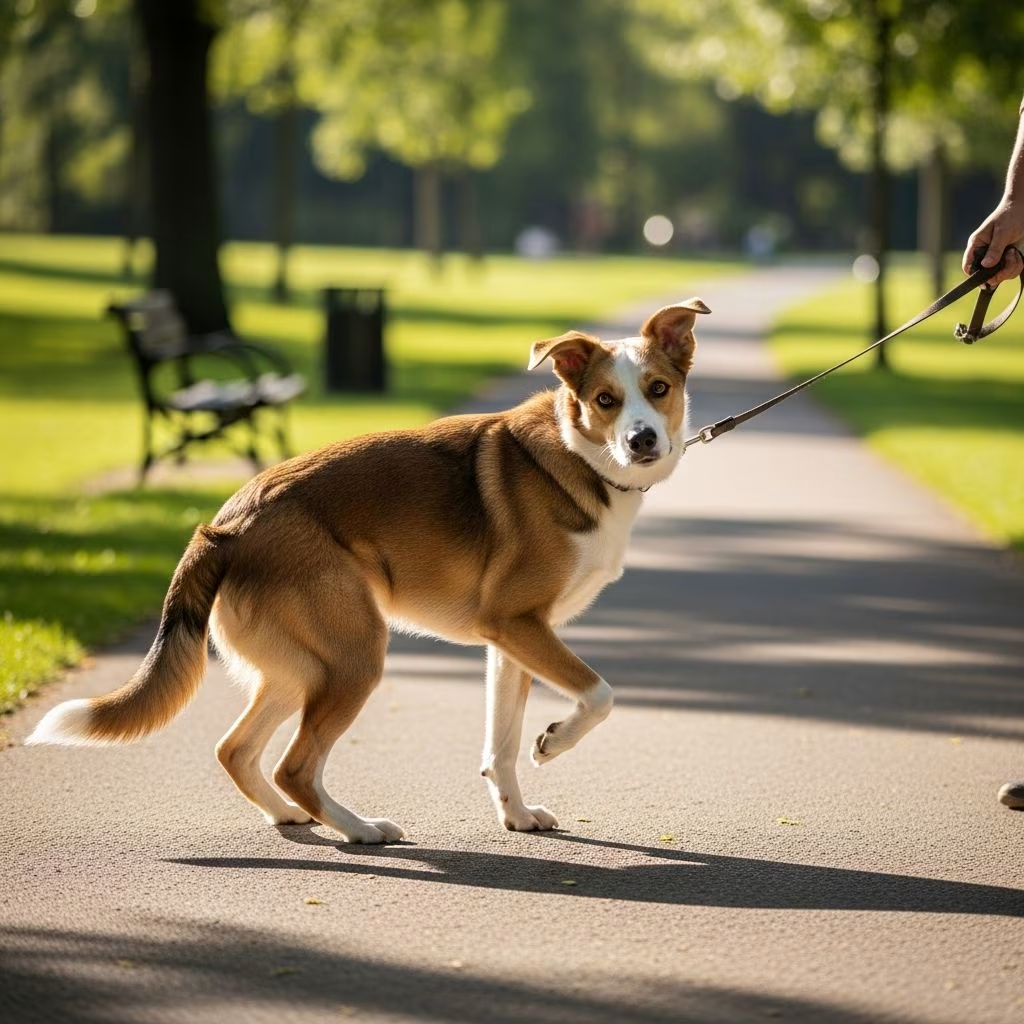
Observing your dog move in an unusual manner, such as leaning or crabbing to one side, can raise immediate concerns about their well-being. This gait abnormality, often described as sideways walking, happens when a dog’s hindquarters shift out of alignment with the front legs, creating a slanted or curved path. While some instances stem from playful behavior, persistent or sudden occurrences typically signal underlying health challenges ranging from ear-related imbalances to skeletal deformities.
Recognizing Abnormal Gait Patterns in Dogs
Dogs normally walk with a straight, coordinated stride where the body remains aligned. Sideways walking disrupts this, often appearing as if the rear end swings wide or the entire body tilts. Pet owners might notice this during casual strolls, playtime, or even inside the home. Key indicators include:
- A pronounced curve in the spine while moving.
- Leaning consistently to one side.
- Difficulty navigating turns or stairs.
- Accompanying stumbles or hesitation in steps.
Distinguishing between harmless quirks and problematic signs is crucial. Puppies or energetic young dogs may briefly crab during bursts of excitement, but adults showing this repeatedly warrant closer inspection.
Common Medical Reasons for Sideways Movement
Several health conditions can provoke this gait change. Understanding them helps in timely intervention.
Disruptions in the Balance System
The vestibular system, located in the inner ear, regulates equilibrium and spatial awareness. When compromised, dogs experience vertigo-like symptoms, leading to sideways leaning or falling. Idiopathic vestibular disease, common in seniors, strikes abruptly with head tilts and rapid eye movements known as nystagmus.
Joint and Skeletal Challenges
Hip dysplasia involves a malformed hip joint, causing pain and compensatory movements like sideways shifts to offload pressure. Arthritis exacerbates this, with inflammation stiffening joints and prompting uneven weight distribution. Larger breeds are predisposed, and symptoms intensify with age or after activity.
Ear Infections and Inflammation
Bacterial or yeast overgrowth in the ear canals irritates the vestibular apparatus, resulting in head shaking, odor, and balance loss that manifests as crabbing. Untreated cases can spread, worsening coordination.
Neurological and Vascular Events
Strokes or transient ischemic attacks impair brain signals to muscles, causing unilateral weakness and crooked paths. Tumors, inflammation, or spinal issues like ataxia further disrupt nerve pathways, leading to dragging paws or tremors alongside sideways gait.
Non-Medical Explanations for Crabbing
Not every instance signals illness. Excitable dogs, particularly during greetings or chases, may playfully sidestep as a display of joy. Vision impairments could also contribute, with dogs compensating for poor sight by angling their bodies. However, if these persist beyond moments of high energy, medical evaluation is advised.
Associated Symptoms That Demand Attention
Sideways walking rarely occurs alone. Watch for clusters of signs indicating urgency:
- Head pressing against objects or persistent tilting.
- Loss of appetite, vomiting, or lethargy.
- Eye flicking, circling, or refusal to stand.
- Pain vocalizations, limping, or reluctance to move.
A table summarizing symptom clusters can aid observation:
| Symptom Cluster | Possible Cause | Urgency Level |
|---|---|---|
| Head tilt, nystagmus, falling | Vestibular disease | High – Vet immediately |
| Hip pain, stiffness after rest | Dysplasia/Arthritis | Medium – Schedule soon |
| Ear scratching, discharge | Infection | High – Check ears |
| Sudden weakness, confusion | Stroke/Neuro | Emergency |
Steps for Initial Home Assessment
Before rushing to the vet, safely document the issue. Film videos from multiple angles during natural movement. Note onset timing, duration, and triggers. Gently palpate legs and hips for swelling or heat, but avoid forcing painful areas. Ensure a quiet, hazard-free space to prevent falls.
Veterinary Diagnostic Process
Professionals begin with a full physical, testing reflexes by flipping paws and checking ear canals. Blood panels screen for infections or organ strain. X-rays reveal joint anomalies, while advanced cases may need MRI for brain scans. Neurologists handle complex neurology referrals.
Treatment Options by Condition
Management varies:
- Vestibular: Supportive care like anti-nausea meds; many recover in days.
- Infections: Topical or oral antibiotics/antifungals.
- Joints: NSAIDs, supplements, therapy, or mobility harnesses.
- Neuro: Surgery, meds, or rehab depending on tumor/stroke extent.
Holistic aids include acupuncture or hydrotherapy for chronic pain.
Preventive Measures for Healthy Mobility
Maintain ideal weight to ease joint load. Regular ear cleanings suit floppy-eared breeds. Balanced nutrition with omega-3s supports nerves and joints. Routine check-ups catch issues early, especially for seniors or giants.
FAQs
Is sideways walking always serious in dogs?
No, but sudden or persistent cases often are. Playful crabbing in youth differs from adult-onset with other symptoms.
How quickly does vestibular disease resolve?
Symptoms peak in 24-48 hours; improvement follows in 1-2 weeks with care.
Can diet help hip dysplasia?
Yes, joint formulas with glucosamine reduce inflammation and aid cartilage.
What if my dog crabs only on walks?
Leash tension or terrain might contribute, but rule out pain first.
Should I use pain meds without vet advice?
Never; human drugs like ibuprofen are toxic to dogs.
Long-Term Outlook and Support
Many dogs adapt well post-treatment, regaining near-normal function. Mobility aids like carts enhance quality of life for permanent issues. Owner vigilance ensures early detection, fostering years of active companionship.
References
- Why is My Dog Walking Sideways All of a Sudden? — Walkin’ Pets. 2023. https://walkinpets.com/blogs/blog/dog-walking-sideways
- Why Is My Dog Walking Sideways All of a Sudden? — Whole Dog Journal. 2023-09-06. https://www.whole-dog-journal.com/health/why-is-my-dog-walking-sideways-all-of-a-sudden/
- Why Does My Dog Walk Sideways: Uncovering the Reasons — UAH Pet. N/A. https://www.uahpet.com/blogs/post/why-does-my-dog-walk-sideways-uncovering-the-reasons
- Ataxia in Dogs: What It Is, Symptoms, and Treatment — PetMD. N/A. https://www.petmd.com/dog/conditions/neurological/ataxia-dogs
- Vestibular Disease in Dogs: Symptoms & Treatment — VCA Animal Hospitals. N/A. https://vcahospitals.com/know-your-pet/vestibular-disease-in-dogs
- Vestibular Syndrome in Dogs: Is It an Emergency? — GSVS. N/A. https://gsvs.org/blog/vestibular-syndrome-dogs-emergency-care/



