

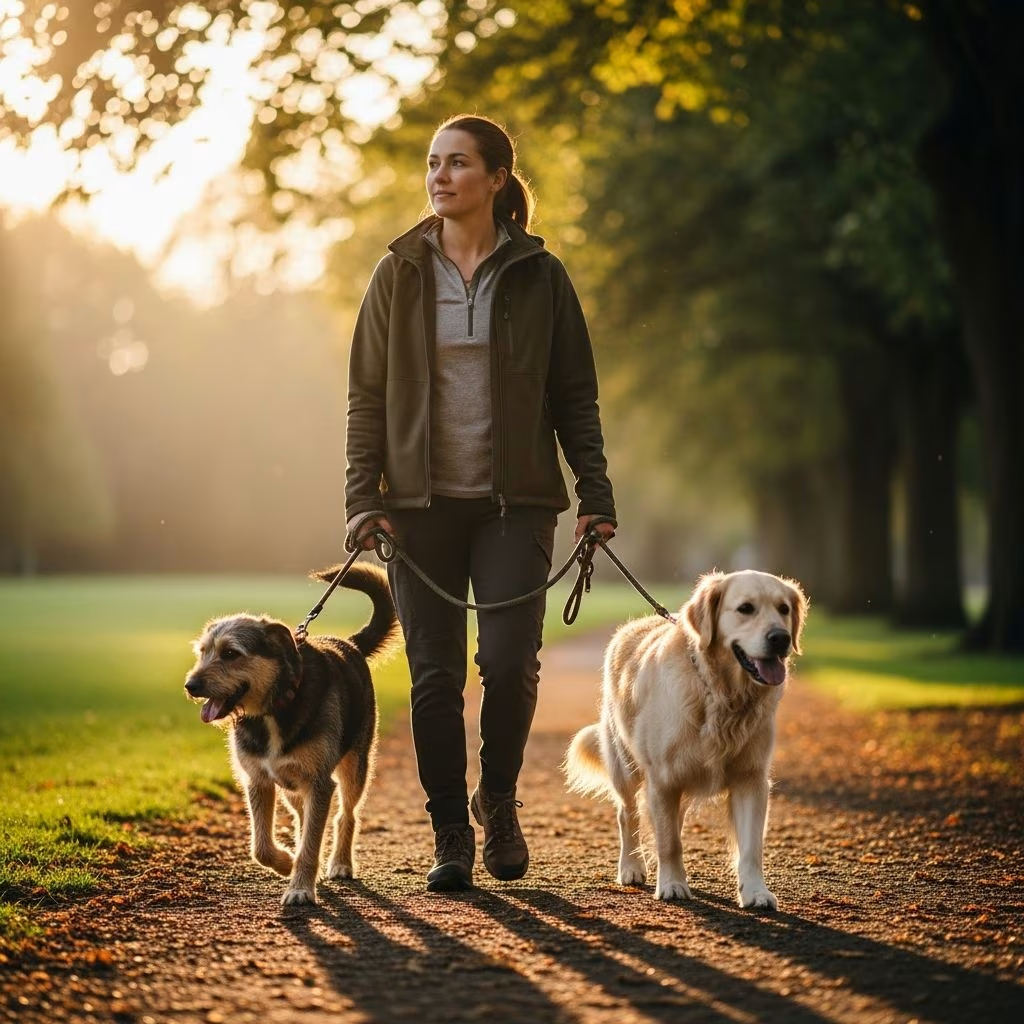
Walking your dog is often described as a simple daily task, but dog walks are much more than a bathroom break. For many dogs, walks provide exercise, mental stimulation, and crucial social and environmental enrichment. However, a lot of widely shared advice about dog walking is incomplete or simply wrong. Misunderstanding how walks really work for dogs can create unnecessary stress, behavioral issues, and even safety risks for both dogs and humans.
This article breaks down seven common myths about walking dogs and replaces them with science-informed, compassionate guidance. Understanding what walks truly mean to your dog will help you create safer, calmer, and more enjoyable outings together.
Myth 1: Every Dog Needs a Walk Every Single Day
You may have heard that you must walk your dog every day or you are failing as a dog parent. In reality, not every dog benefits from a traditional outdoor walk every single day, and some dogs may sometimes be happier and safer skipping it.
Daily exercise and enrichment are important, but that does not always have to look like a neighborhood walk. Dogs with certain medical, behavioral, or age-related issues may find walks stressful rather than fun.
When Skipping a Walk Can Be Reasonable
- Medically fragile or recovering dogs: Dogs recovering from surgery, injury, or illness may need rest or very limited activity as directed by a veterinarian.
- Highly fearful or reactive dogs: Dogs who panic at traffic, strangers, or other dogs may experience elevated stress hormones on walks, which can worsen anxiety and reactivity over time.
- Extreme weather: Very hot or very cold conditions can be dangerous, especially for brachycephalic breeds, very young puppies, seniors, and dogs with heart or respiratory disease.
For these dogs, enriching indoor activities, short potty breaks, and carefully managed outings may be kinder than forcing a stressful or unsafe walk.
Alternatives to Traditional Walks
- Indoor scent games (scatter feeding, sniffing out hidden treats)
- Food puzzle toys and slow feeders
- Short training sessions using positive reinforcement
- Gentle play sessions tailored to physical ability
The key is to meet your dog’s exercise and enrichment needs, not to rigidly follow a blanket rule about daily walks.
Myth 2: Dogs Should Always Be Walked on a Leash
Leashes are crucial for safety and are legally required in many places, but that does not mean a dog must be leashed 100% of the time in every environment. The real question is whether an area is safe, legal, and appropriate for off-leash time and whether your dog has the skills to handle it.
When Leashes Are Essential
- Leash-law areas: Many cities require dogs to be on a leash in public places for safety and public health reasons.
- Near roads or hazards: Leashes prevent accidents with traffic, wildlife, or other environmental dangers.
- Around unfamiliar dogs and people: A leash allows you to manage greetings and protect both your dog and others.
Supporting Healthy Off-Leash Time
In safe, designated off-leash areas, many dogs benefit from periods of controlled freedom. Off-leash time can allow dogs to:
- Choose their own pace and direction
- Run at full speed for short bursts
- Engage in natural sniffing and exploring behavior
- Practice recall and attention to their handler
If safe off-leash spaces are not available or your dog is not ready for them, long lines (very long leashes) in open safe spaces can mimic some of the freedom of off-leash movement while preserving control.
Myth 3: You Should Keep Dogs Moving the Whole Walk
Some people think a “good” walk means steady, brisk movement from start to finish. For dogs, much of the value of a walk lies in sniffing, pausing, and investigating their surroundings. Olfactory exploration is a primary form of mental stimulation for dogs.
Why Sniffing Matters
- Dogs have an extremely sensitive sense of smell, with olfactory capabilities estimated to far exceed those of humans.
- Sniffing allows dogs to gather information about other animals, people, and environmental changes.
- Research suggests that opportunities for sniffing may help reduce stress and support emotional well-being in dogs.
Rushing a dog continuously can turn an enriching walk into a frustrating forced march. A more dog-centered approach is to blend physical movement with regular opportunities to stop, sniff, and look around.
Designing a “Sniffari”-Style Walk
- Schedule a bit more time so you are not pressured to rush.
- Allow your dog to lead the way within safe boundaries.
- Use a longer leash, where safe and legal, to permit more natural movement.
- Build cue-based structure (e.g., a cue for “let’s go” after a reasonable sniffing pause).
Myth 4: Pulling on the Leash Means They Are Not Tired
Leash pulling is often blamed on a dog having “too much energy.” While energy level can play a role, pulling is mainly about excitement, habit, and lack of training rather than simple exhaustion.
Why Dogs Pull
- Reinforced behavior: If pulling gets the dog closer to what they want (a scent, another dog, or a person), the behavior is unintentionally rewarded.
- High arousal: Seeing something interesting can trigger intense enthusiasm, reducing the dog’s ability to respond calmly.
- Lack of leash-skills training: Walking on a loose leash is a learned behavior, not an instinctive one.
Teaching Better Leash Manners
- Reward walking beside you with treats or access to things the dog wants.
- Stop or change direction when the leash tightens, so pulling no longer pays off.
- Use harnesses that reduce pressure on the neck, as recommended by veterinary behavior experts for many dogs.
Even very energetic dogs can learn to walk politely with consistent, positive training. Pulling tells you more about training and environmental excitement than about whether a dog is physically tired.
Myth 5: Walks Always Tire Dogs Out
Walks can contribute to healthy fatigue, but they do not guarantee that a dog will be tired or calmer afterward—especially for young, active, or working-type breeds. For many dogs, a standard walk is only a warm-up.
Why Walks Sometimes Energize Rather Than Exhaust
- New sights, smells, and sounds can increase arousal and alertness.
- Brief, low-intensity walks might not meet the exercise needs of athletic dogs.
- Mentally stimulating experiences can leave a dog excited, not necessarily physically exhausted.
Balancing Physical and Mental Exercise
| Activity Type | Main Benefit | Examples |
|---|---|---|
| Physical Exercise | Improves fitness, supports healthy weight, releases energy | Running, fetch, agility practice, off-leash play |
| Mental Enrichment | Reduces boredom, supports emotional well-being | Scent games, puzzle feeders, training sessions, sniff-focused walks |
Most dogs benefit from a combination of both. When walks alone are not enough, adding structured play, training games, or sports suited to your dog’s age and health can create more satisfying, restful tiredness.
Myth 6: Older Dogs Do Not Need Regular Walks
Some people assume that aging dogs naturally slow down and no longer need walks. While seniors may require shorter, gentler outings, controlled movement is usually still important for maintaining muscle, joint health, and mental well-being.
Benefits of Gentle Walks for Senior Dogs
- Helps preserve joint flexibility and muscle strength within comfort limits.
- Supports healthy body weight and cardiovascular function.
- Provides mental stimulation and opportunities for social contact.
- Can improve quality of life when adjusted to the dog’s medical status.
Veterinarians often recommend low-impact exercise, such as slow, short walks, for dogs with certain chronic conditions, as long as the plan is individualized and monitored.
Adapting Walks for Senior Dogs
- Keep walks shorter and flatter, avoiding stairs or steep hills if painful.
- Allow more time for sniffing and resting.
- Use harnesses or supportive gear if mobility is reduced.
- Monitor closely for signs of pain, fatigue, or overheating.
Skipping walks simply because a dog is old can unnecessarily reduce their daily enjoyment and overall quality of life.
Myth 7: There Is Only One “Right” Way to Walk a Dog
Perhaps the most unhelpful myth is that there is a single universal formula for dog walks. Dogs vary widely in size, breed type, age, health status, temperament, and history. What works beautifully for one dog might be stressful or unsafe for another.
Factors That Should Shape Your Walk Routine
- Age: Puppies need very short, controlled outings; adults may need more vigorous activity; seniors often need gentler walks.
- Breed tendencies: Some breeds were developed for endurance work, others for short, intense bursts, and others for companionship breeds with moderate needs.
- Health and medical history: Joint disease, heart conditions, or respiratory issues all affect what kind of walk is appropriate.
- Behavioral profile: Fearful, reactive, or easily overstimulated dogs may do better in quiet times or locations and benefit from structured behavior plans.
Creating a Dog-Centered Walking Plan
- Consult your veterinarian about safe levels and types of exercise.
- Work with a qualified trainer or behavior professional for leash skills or reactivity issues.
- Observe your dog’s body language on walks and adjust based on comfort and enjoyment.
- Mix different types of outings: brisk walks, sniff-focused strolls, training walks, and rest days when appropriate.
The goal is not to match someone else’s routine but to design walks that fit your dog’s physical and emotional needs.
Frequently Asked Questions (FAQs)
Q: How long should I walk my dog each day?
A: There is no single ideal duration for all dogs. Many healthy adult dogs benefit from a combination of shorter and longer outings totaling around 30–120 minutes per day, depending on age, breed, health, and fitness. Always follow your veterinarian’s guidance and watch for signs of fatigue or discomfort.
Q: Is it bad to walk my dog only once a day?
A: One daily walk can be enough for some dogs if it is combined with other forms of mental and physical enrichment at home. Other dogs, especially young or very active ones, may do better with two or more shorter walks plus play or training sessions.
Q: My dog hates walking in busy areas. What can I do?
A: Dogs that struggle in crowded or noisy environments may benefit from quieter routes, walking at off-peak times, and gradual behavior modification with a qualified trainer or behaviorist. In the meantime, provide plenty of indoor enrichment so your dog is not relying solely on stressful walks for stimulation.
Q: Are retractable leashes a good idea?
A: Retractable leashes can create safety risks, including sudden jerks, loss of control near roads, and difficulty managing encounters with other dogs or people. Many trainers and veterinary behavior professionals prefer standard fixed-length leashes or long lines used with care in open, safe spaces.
Q: How can I tell if my dog is getting enough exercise?
A: Signs that your dog may need more or different kinds of activity can include restlessness, frequent attention-seeking, destructive chewing, or excessive vocalization. However, these can also be signs of stress or medical issues. A veterinary check-up, combined with a review of your dog’s daily routine, can help determine appropriate adjustments.
References
- Dog Walking: the Effects of Dog Ownership on Owner Physical Activity — Christian HE et al., American Journal of Public Health. 2013-12-01. https://pubmed.ncbi.nlm.nih.gov/24134327/
- Behavior Problems in Dogs: A Review of Veterinary Behavior Guidelines — American College of Veterinary Behaviorists. 2020-01-15. https://www.dacvb.org/page/OwnerFAQs
- Traveling and Walking Safely With Pets — Centers for Disease Control and Prevention (CDC). 2022-07-15. https://www.cdc.gov/healthypets/traveling-with-pets/index.html
- Olfactory Enrichment for Dogs: Exploring the Benefits of Scent — Horowitz A. Barnard College Dog Cognition Lab. 2017-06-01. https://dogcognition.weebly.com/
- Environmental Enrichment for Companion Animals — American Veterinary Medical Association (AVMA). 2020-10-01. https://www.avma.org/resources-tools/avma-policies/environmental-enrichment-companion-animals



