
Dog Walking Etiquette Essentials
Master responsible dog walking practices to ensure safety, respect, and enjoyment for all on shared paths and parks.
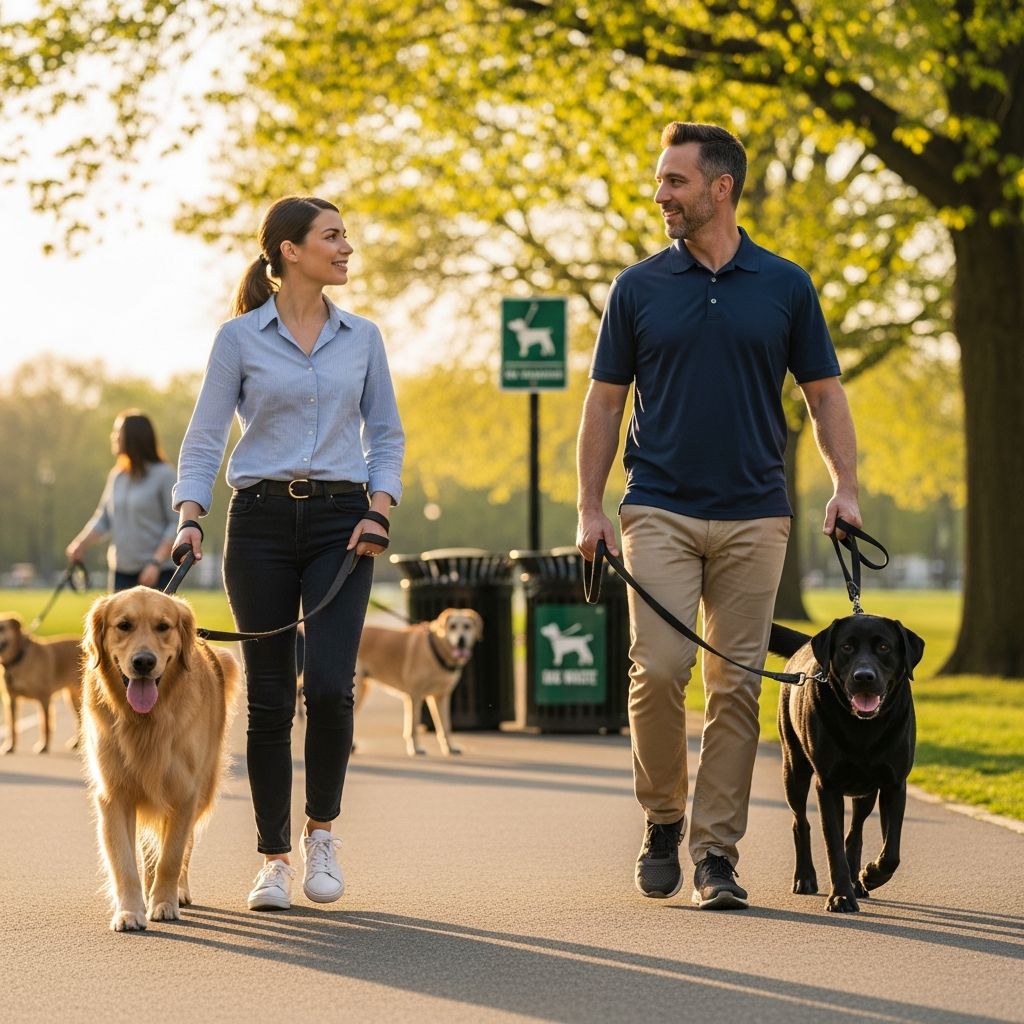
Walking your dog is one of the most rewarding parts of pet ownership, offering exercise, mental stimulation, and bonding time. However, shared public spaces demand courtesy to prevent conflicts and ensure safety. This guide outlines practical strategies for responsible dog walking, drawing from established best practices to help you navigate sidewalks, trails, and parks confidently.
Why Etiquette Matters in Public Spaces
Proper conduct during dog walks fosters community goodwill and minimizes risks. Uncontrolled dogs can startle passersby, spread parasites through waste, or spark altercations with other animals. By prioritizing awareness and respect, owners contribute to safer environments where everyone—from families with children to elderly walkers—feels comfortable. Studies from animal welfare organizations emphasize that consistent etiquette reduces incident reports in public areas by promoting predictable behavior.
Essential Gear for Every Walk
Starting with the right equipment sets the foundation for success. A sturdy, appropriately sized leash—typically 4-6 feet long—allows your dog freedom to explore while maintaining control. Avoid retractable leashes in crowded areas, as they can tangle or extend unexpectedly. Pair it with a well-fitted collar or harness, ensuring ID tags with your contact info are visible. Bring waste bags, water, a portable bowl, and treats for positive reinforcement. These items prepare you for any scenario, from hydration needs to unexpected bathroom breaks.
- Leash types: Standard nylon or leather for durability; martingale collars for pullers.
- Extras: Poop bags (multiple), water bottle, phone for emergencies.
Mastering Leash Discipline
Leashing your dog is non-negotiable in most public areas to comply with local laws and protect against traffic or wildlife. Keep the leash loose to encourage relaxed walking, preventing strain on both you and your pet. Train basic commands like “heel” or “leave it” to manage distractions. Off-leash time belongs in designated dog parks or fenced yards, where risks are contained. According to humane societies, leashed walks reduce escape incidents dramatically.
| Leash Scenario | Best Practice | Why It Works |
|---|---|---|
| Crowded Sidewalk | Shorten leash, stay alert | Prevents tangles with others |
| Quiet Trail | Standard length, observe signs | Allows sniffing while controlled |
| Approaching Others | Tighten gently, create distance | Respects personal space |
Cleanup: The Golden Rule
Immediately picking up after your dog is mandatory, regardless of location—sidewalk, grass strip, or trail. Waste harbors bacteria and parasites like roundworms, posing health threats to children, wildlife, and other pets. Carry extra bags and dispose in designated bins. Double-bagging prevents leaks. This simple act demonstrates respect for shared spaces and counters negative stereotypes about dog owners.
Respecting Property Boundaries
Guide your dog to public areas like curb strips for relief, steering clear of private lawns, gardens, or structures. Trespassing with pets erodes neighborly relations and invites complaints. If your dog veers off-path, redirect promptly with a treat or command. On trails, stick to designated routes to protect sensitive ecosystems, as advised by park authorities.
Navigating Encounters with Others
Not every dog or person wants interaction. Assume caution: keep distance from unfamiliar dogs, especially those on tight leashes or showing stress signals like stiff posture or growling. Cross the street if needed to avoid close passes, reducing pressure on reactive pets. Always ask permission before allowing greetings, and read body language—wagging tails aren’t universal friendliness indicators.
- Signs of stress in dogs: Ears back, tail tucked, avoidance.
- Space rule: Maintain 6-10 feet from others unless invited closer.
Staying Attentive and Present
Ditch the phone distractions; focused walks enhance your dog’s experience and your safety. Monitor surroundings for hazards like traffic or aggressive animals. Engage your dog with sniffing breaks, toy play, or training drills to prevent boredom-induced pulling. This mindfulness prevents mishaps and strengthens your bond.
Special Considerations for Service and Guide Dogs
Guide dogs wear harnesses signaling work mode—do not pet, distract, or give directions without handler invitation. Avoid eye contact or grabbing harnesses, as these impair their focus. Respect extends to all working animals, ensuring handlers navigate unimpeded.
Trail and Park-Specific Guidelines
In natural areas, leash requirements protect wildlife and prevent waste contamination. Yield to hikers without dogs, keep noise low, and stay on trails to safeguard vegetation. Park rules often mandate cleanup and distance, promoting coexistence.
Training Tips for Polished Walkers
Build good habits through consistent training. Practice loose-leash walking in low-distraction zones, rewarding calm behavior. For reactive dogs, consult professionals for desensitization. Short, frequent walks build endurance and manners over time.
Common Mistakes to Avoid
Steer clear of these pitfalls:
- Assuming all dogs are friendly—err on caution.
- Using short leashes routinely—limits natural exploration.
- Ignoring local ordinances—fines add unnecessary stress.
- Overlooking hydration—heat exhaustion strikes quickly.
FAQs
What if an off-leash dog approaches mine?
Stay calm, create distance by turning sideways, and firmly ask the owner to leash theirs. If alone, use barriers like your body or a bag.
Is it okay to let my dog sniff everything?
Yes, in moderation—sniffing is mental exercise. Set time limits in high-traffic zones to keep moving.
How short should my dog’s leash be near others?
Shorten to 2-3 feet for control, then relax once past.
What about walking multiple dogs?
Use short leashes or couplets; walk one at a time if reactivity is an issue.
Are retractable leashes safe?
Not in crowds—they break or extend hazardously. Reserve for open spaces.
Building a Community of Courteous Walkers
Adopting these practices elevates walks from routine to joyful rituals. Share tips with fellow owners, report hazards to authorities, and lead by example. Responsible habits ensure public spaces remain welcoming for generations of dogs and humans.
References
- Walking Your Dog: Dos & Don’ts — Humane Society of Ventura County. 2023-05-15. https://hsvc.org/walking_your_dog_do_s_dont_s
- Trail Etiquette for Walking Your Dog — Allegheny County Parks (YouTube). 2022-06-10. https://www.youtube.com/watch?v=eMlLhCgUPCA
- Guide Dog Etiquette — Guide Dogs Association (YouTube). 2021-11-20. https://www.youtube.com/watch?v=SsDIo7Rxilg
- A Pet Owner’s Guide to Dog Walking Etiquette — Gotta Go Grass. 2024-02-14. https://gottagograss.com/blogs/gotta-go-grass-blog/a-pet-owners-guide-to-dog-walking-etiquette
- Certified Canine Behavior Consultant Shares Dog Walking Etiquette Tips — KATU Lifestyle (YouTube). 2024-10-05. https://www.youtube.com/watch?v=HQf_f7J5ZIs
Similar Articles








Read full bio of Sneha Tete




