

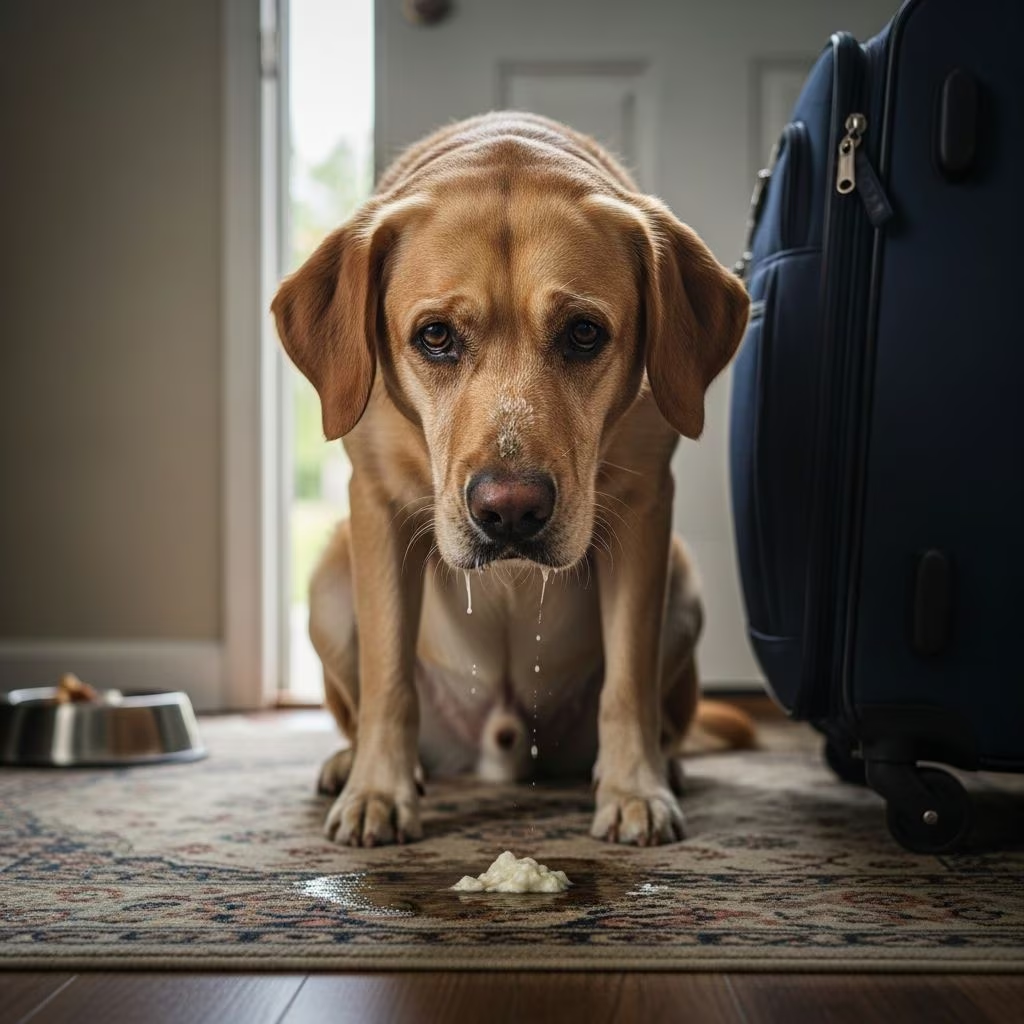
Your loyal companion’s sudden vomiting right as you grab your keys can be alarming and heartbreaking. This behavior often signals deeper emotional or physical distress, particularly tied to the anticipation of being left alone. Understanding the triggers behind this reaction is crucial for addressing it effectively and restoring peace for both you and your dog.
Understanding the Link Between Departure and Vomiting
Dogs experience the world intensely through their senses and emotions, making your routine preparations for leaving a powerful trigger. The act of picking up keys, putting on shoes, or heading to the door can spike anxiety levels, leading to physical responses like vomiting. This isn’t mere coincidence; it’s a physiological reaction where stress hormones disrupt normal gut function.
When stress hits, the body releases adrenaline and cortisol, which slow digestion and increase stomach acid production. For sensitive dogs, this culminates in nausea and expulsion of stomach contents just as you’re about to exit. Studies and veterinary observations confirm that such episodes are common in dogs prone to emotional upset, distinguishing them from random gastrointestinal events.
Primary Culprit: Separation Anxiety in Dogs
Separation anxiety affects a significant portion of dogs, estimated at around 14% in the U.S., with higher rates in rescues, puppies, and certain breeds. It’s characterized by extreme distress when separated from primary caregivers, manifesting in various ways beyond vomiting.
- Excessive vocalization: Barking, whining, or howling starts immediately upon your departure.
- Destructive tendencies: Chewing furniture, scratching doors, or shredding items to cope with panic.
- House soiling: Urination or defecation indoors, even in house-trained dogs.
- Physical signs: Pacing, trembling, drooling, or self-injury from licking and biting.
These symptoms cluster around alone time, confirming anxiety as the driver rather than illness alone. Intelligent breeds like Border Collies or those with traumatic histories are particularly susceptible, as under-stimulation amplifies their dependence.
Other Stressors Mimicking Separation Issues
Not all vomiting at departure stems purely from separation anxiety. General stress from life changes, such as moving, new family members, or schedule shifts, can provoke similar reactions. Travel anxiety or phobias related to loud noises might coincide with your exit routine.
Additionally, anticipatory stress builds as dogs associate your pre-departure actions with abandonment. Panting, trembling, or clinging behavior right before you leave are red flags. Unlike true separation anxiety, these may occur at other times but intensify during goodbyes.
Distinguishing Anxiety Vomiting from Medical Conditions
While emotional triggers are common, vomiting demands ruling out health problems first. Stress-induced episodes are typically isolated, tied to your leaving, and accompanied by behavioral cues. In contrast, medical vomiting persists regardless of context.
| Aspect | Anxiety-Related Vomiting | Medical Causes |
|---|---|---|
| Timing | Only when owner prepares to leave | Random or post-meal |
| Accompanying Signs | Pacing, drooling, whining | Lethargy, diarrhea, blood in vomit |
| Frequency | Occasional, stress-triggered | Frequent or chronic |
| Response to Calm | Improves with desensitization | Persists despite comfort |
Key differentials include dietary indiscretion, toxins, infections, pancreatitis, parasites, or blockages. If vomit contains blood, bile, or undigested food repeatedly, or if your dog shows lethargy, seek immediate vet care.
When to Rush to the Vet
Prompt veterinary evaluation is non-negotiable for recurrent vomiting. Indicators of emergency include multiple episodes in hours, dehydration signs (dry gums, sunken eyes), collapse, or fever. Even if anxiety seems likely, diagnostics like bloodwork, X-rays, or ultrasounds exclude sinister issues like obstructions or infections.
Vets may recommend a bland diet (boiled chicken and rice) and probiotics post-examination to soothe the gut. Antibiotics treat bacterial culprits, while anti-nausea meds provide relief.
Proven Strategies to Ease Departure Anxiety
Managing this issue combines immediate relief with long-term behavioral shifts. Start by creating positive associations around leaving cues.
Desensitization Techniques
Gradually expose your dog to departure signals without actual leaving. Put on shoes, grab keys, then sit back down repeatedly. Reward calm with treats. Progress to short exits (1-5 minutes), building duration slowly. This breaks the panic cycle.
Enrichment and Exercise Boost
A tired dog is less anxious. Provide 30-60 minutes of daily physical activity plus mental puzzles like treat-dispensing toys. Before leaving, offer a long-lasting chew or frozen Kong stuffed with peanut butter to redirect focus.
Creating a Safe Haven
Designate a comfortable “retreat space” with your worn clothing for scent comfort, soft bedding, and calming music or white noise machines. Avoid crating if it heightens stress; opt for open access instead.
Professional Interventions
For severe cases, consult a veterinary behaviorist. Medications like fluoxetine or trazodone may bridge training gaps, alongside pheromone diffusers (Adaptil) that mimic calming maternal scents.
Building Long-Term Independence
Foster confidence through alone-time training from puppyhood or via gradual alone practice. Use crate training positively, never as punishment. Consistent routines—feed, walk, play at set times—provide security. Avoid dramatic goodbyes; depart quietly to minimize cues.
Nutrition and Gut Health Support
Diet plays a role in resilience. High-quality, easily digestible food prevents sensitivities. Probiotics restore microbiome balance after stress episodes. Hydration is key; encourage water intake with flavored additives if needed.
FAQs
Is vomiting always a sign of separation anxiety?
No, it can stem from medical issues. Observe patterns and consult a vet to differentiate.
How long does desensitization take?
Weeks to months, depending on severity. Patience and consistency are essential.
Can medication cure separation anxiety?
It manages symptoms; behavior modification provides lasting change.
What if my dog vomits blood?
Emergency vet visit immediately—could indicate ulcers or internal injury.
Are certain breeds more prone?
Yes, high-energy or velcro breeds like Labs, Shepherds, and rescues.
Monitoring Progress and Prevention
Track episodes in a journal: timing, vomit appearance, behaviors. Video departures for vet review. Success shows as reduced frequency, calmer pre-departure demeanor, and voluntary relaxation. Prevent escalation by addressing early; untreated anxiety harms mental and physical health long-term.
References
- Can separation anxiety cause vomiting & diarrhea in dogs? — Spirit Dog Training. 2025-01-19. https://spiritdogtraining.com/behavior/separation-anxiety-vomiting-diarrhea/
- Can Dogs Throw Up from Stress or Anxiety? What to Know — Coastal Care Vets. 2025-08-05. https://www.coastalcarevets.ca/site/blog/2025/08/05/can-dogs-throw-up-stress-anxiety
- Separation Anxiety in Dogs — PetMD. N/A. https://www.petmd.com/dog/conditions/behavioral/separation-anxiety-dogs
- Recognising separation-related behaviour and anxiety in dogs — RSPCA. N/A. https://www.rspca.org.uk/adviceandwelfare/pets/dogs/behaviour/separationrelatedbehaviour
- Separation Anxiety in Dogs – Mission Ridge Animal Hospital — Mission Ridge Vet. 2024-06. https://www.missionridgevet.com/blog/june-2024/separation-anxiety-in-dogs



