

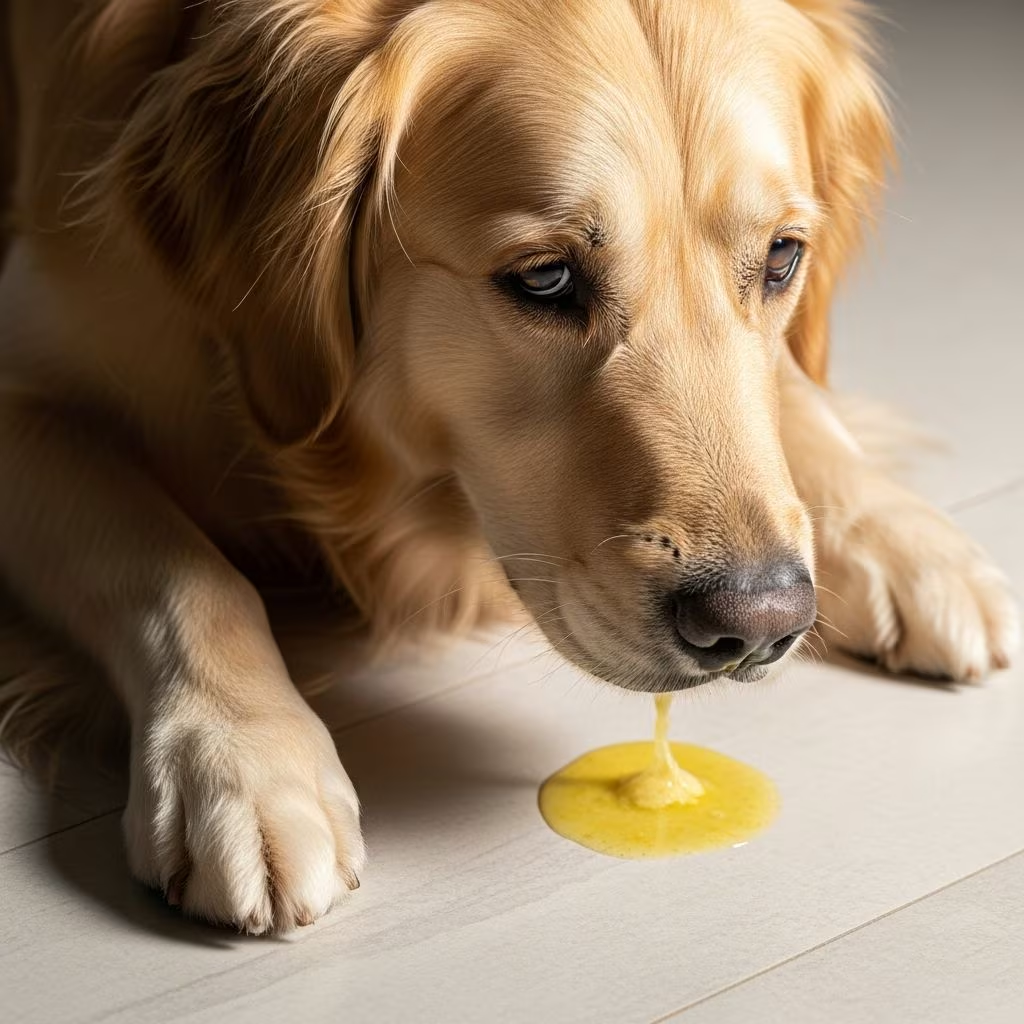
Observing your dog vomit a yellow substance can spark immediate concern, as this fluid typically consists of bile—a natural digestive aid produced by the liver. While occasional episodes might stem from benign reasons like an empty stomach, persistent or severe cases could point to underlying health problems requiring prompt veterinary intervention. This guide delves into the mechanisms behind yellow vomiting, differentiates between mild and critical scenarios, outlines diagnostic approaches, and provides actionable care recommendations.
Understanding Bile and Its Role in Digestion
Bile is a vital yellowish-green fluid synthesized in the liver, stored in the gallbladder, and released into the small intestine to emulsify fats and facilitate nutrient absorption. In healthy dogs, food intake triggers gallbladder contraction, dispersing bile efficiently. However, when the stomach remains empty for extended periods, bile can reflux back into the stomach via duodenal-gastric reflux, irritating the gastric lining and provoking vomiting. This reflux often yields a frothy, yellow expulsion mixed with gastric mucus, especially noticeable after overnight fasts.
The concentration of bile intensifies during fasting as the gallbladder reabsorbs water, making it more viscous and irritating. Factors like dietary shifts, stress, or medication side effects can exacerbate this process, leading to recurrent morning vomiting in susceptible dogs.
Primary Causes of Yellow Vomiting in Dogs
Yellow vomit arises from diverse triggers, ranging from everyday digestive sensitivities to grave systemic disorders. Identifying patterns—such as timing, frequency, and accompanying symptoms—is crucial for gauging severity.
Bilious Vomiting Syndrome: The Most Frequent Culprit
Bilious vomiting syndrome (BVS) tops the list of causes, affecting dogs with prolonged empty stomachs. Owners often report episodes upon waking, with dogs expelling frothy yellow fluid sans undigested food. This condition resolves in many cases without intervention, particularly if linked to extended intervals between meals—studies note spontaneous improvement in up to 89% of simple vomiting incidents within two days.
- Triggers: Long fasting periods, sudden meal schedule changes, low-quality diets high in additives.
- Breeds at Risk: Smaller breeds like Yorkshire Terriers and Chihuahuas appear more prone due to faster gastric emptying.
Gastrointestinal Irritations and Obstructions
Inflammation of the stomach lining, known as gastritis, frequently produces yellow vomit alongside appetite loss and discomfort. Culprits include ingesting spoiled food, toxins, or foreign objects like toys or bones, which may obstruct the intestines, halting normal digestion and causing bile buildup.
Food allergies or intolerances—to ingredients like dairy, grains, or proteins—can inflame the gut, prompting bile-tinged vomiting hours post-meal. Dietary indiscretion, such as scavenging garbage, compounds these risks.
Pancreatitis and Its Acute Effects
Pancreatitis, an inflammation of the pancreas, often follows high-fat meal consumption, yielding yellow vomit 24-48 hours later. Accompanying signs include abdominal pain, diarrhea, fever, and lethargy. Though 90% of cases have unknown origins, this condition demands urgent care, potentially involving hospitalization and fluid therapy.
Liver Dysfunction and Systemic Issues
Hepatic diseases impair bile production and flow, leading to yellow vomit paired with pale stools, jaundice (yellowing of eyes/gums), and coagulation problems. Endocrine disorders like Addison’s disease or critical emergencies such as gastric dilatation-volvulus (bloat) may also manifest with bile vomiting, swollen abdomens, and retching.
Recognizing When Yellow Vomit Signals an Emergency
Not all yellow vomiting warrants alarm, but certain red flags necessitate immediate veterinary consultation. Monitor for dehydration (dry gums, sunken eyes), blood in vomit (resembling coffee grounds), black tarry stools, or behavioral shifts like weakness and refusal to eat.
| Symptom | Potential Severity | Action Required |
|---|---|---|
| Isolated morning yellow foam | Low (likely BVS) | Adjust feeding; observe 24 hours |
| Repeated vomiting >24 hours | Medium-High | Vet visit; fasting trial |
| With pain, lethargy, diarrhea | High (pancreatitis/obstruction) | Emergency care |
| Blood, jaundice, bloating | Critical | Immediate ER |
Blockages from swallowed items evolve rapidly into life-threatening scenarios, underscoring the need for swift action if recent scavenging or toy-chewing occurred.
Diagnostic Approaches for Accurate Identification
Veterinarians employ a multi-step process to pinpoint causes. Initial assessments include history-taking (diet, recent events) and physical exams checking hydration and abdominal tenderness. Bloodwork evaluates organ function, electrolyte balance, and inflammation markers; imaging like X-rays or ultrasounds detects obstructions or masses; fecal tests rule out parasites.
- Endoscopy/Biopsy: For chronic cases suspecting IBD or cancer.
- Bile Acids Test: Assesses liver efficiency.
Home Management for Mild Cases
For presumed BVS, implement small, frequent meals (4-6 daily) of bland diets—boiled chicken/rice or vet-prescribed gastrointestinal formulas—to buffer stomach acid and minimize reflux. Probiotics support gut flora, while withholding food for 12 hours post-vomiting allows gastric rest, followed by ice cubes or broth.
Ensure constant freshwater access; elevate bowls for breeds prone to reflux. Transition gradually to high-quality, limited-ingredient foods avoiding common allergens.
Veterinary Treatments Tailored to the Cause
Treatment hinges on diagnosis. BVS responds to feeding adjustments and antacids; gastritis may require gastroprotectants like sucralfate. Pancreatitis demands IV fluids, pain relief, and low-fat diets; obstructions necessitate surgery. Chronic liver issues involve supportive therapies like ursodiol for bile flow.
Preventive Strategies to Safeguard Your Dog
Proactive measures curtail recurrence:
- Foster consistent feeding schedules with measured portions.
- Select premium, digestible kibble sans fillers/artificial additives.
- Supervise play to prevent ingestion of hazards; use puzzle toys for mental stimulation.
- Maintain routine deworming and annual check-ups.
- Avoid table scraps, especially fatty ones.
Weight management curtails reflux risks in overweight dogs.
Frequently Asked Questions (FAQs)
Is yellow vomit always serious in dogs?
No, it frequently indicates bilious vomiting from an empty stomach, but persistence or additional symptoms demand vet evaluation.
How long can I wait before seeing a vet?
Monitor isolated incidents for 24 hours with fasting and bland food; seek care sooner if symptoms worsen or multiply.
Can diet alone fix yellow bile vomiting?
Often yes for BVS via frequent small meals, but underlying diseases require professional diagnosis.
What breeds are prone to bilious vomiting?
Small breeds with rapid digestion, such as Miniature Poodles and Dachshunds.
Does yellow vomit mean liver failure?
Not necessarily; while possible, common causes are digestive. Jaundice or pale stools heighten liver concerns.
Long-Term Outlook and Monitoring
Most dogs recover fully from episodic yellow vomiting with lifestyle tweaks. Chronic cases may necessitate ongoing management, like prescription diets or medications. Track episodes in a journal noting triggers, aiding vets in refining care plans. Early vigilance ensures optimal health, preventing escalations into costly emergencies.
References
- What causes yellow vomit in dogs? — Vets and Clinics. 2023. https://www.vetsandclinics.com/en/library/what-causes-yellow-vomit-in-dogs
- Dog Throwing Up Yellow: Urgent Symptoms & What to Do Now — GSVS. 2024-05-15. https://gsvs.org/blog/dog-throwing-up-yellow-urgent-care/
- Why is My Dog Throwing Up Yellow Foam? — Cherry Creek Vet. 2023-11-10. https://www.cherrycreekvet.com/blog/why-is-my-dog-throwing-up-yellow-foam/
- Why Is My Dog Throwing Up Yellow? Is It an Emergency? — UrgentVet. 2024. https://urgentvet.com/dog-throwing-up-yellow-bile/
- Why Is My Dog Throwing Up Yellow Bile? — Spot & Tango. 2024-02-20. https://www.spotandtango.com/blog/throwing-up-yellow-bile
- Why Is My Dog Throwing Up Yellow? Is It an Emergency? — PetMD. 2025-01-15. https://www.petmd.com/dog/general-health/dog-throwing-up-yellow-bile



