Dog Vomiting Undigested Food: Causes and Solutions
Discover why your dog is vomiting undigested food, how to differentiate it from regurgitation, and essential steps for diagnosis and treatment.
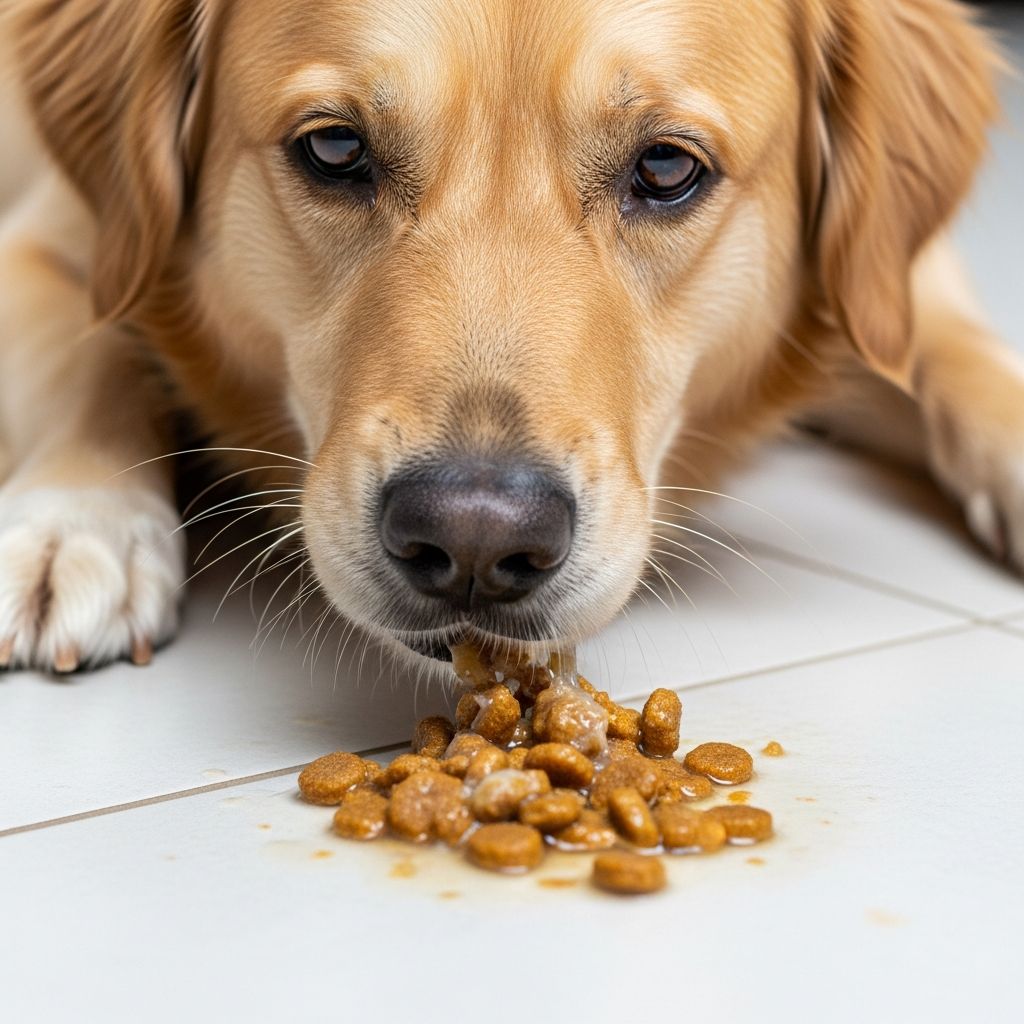
Dogs occasionally vomit undigested food, which can stem from benign habits like eating too quickly or signal serious health issues requiring prompt veterinary attention. Understanding the difference between vomiting and regurgitation is crucial for effective management.
Understanding Vomiting vs. Regurgitation in Dogs
Vomiting and regurgitation appear similar but differ fundamentally in process and implications. Vomiting is an active, forceful expulsion involving abdominal contractions, retching, and often partially digested, foul-smelling material mixed with bile or stomach fluids. Regurgitation, conversely, is passive, with food emerging shortly after eating in a tubular shape, looking largely unchanged and odorless, often accompanied by saliva or mucus.
- Vomiting signs: Pacing, lip licking, gagging, abdominal heaving, chunky or bile-tinged output.
- Regurgitation signs: Effortless expulsion soon after meals, undigested kibble shape preserved.
Recognizing these distinctions helps pinpoint whether the issue is dietary, behavioral, or medical. Frequent regurgitation risks aspiration pneumonia from food entering the lungs.
Common Behavioral and Dietary Triggers
Many cases trace back to everyday habits. Dogs that devour meals rapidly swallow air, leading to discomfort and expulsion of undigested food. Overeating overwhelms the stomach, prompting relief through regurgitation. Sudden diet switches or rich treats like fatty scraps irritate the gut, causing similar outcomes.
| Trigger | Description | Solution |
|---|---|---|
| Eating Too Fast | Gulping food causes air intake and quick return. | Slow-feeder bowls or puzzle toys. |
| Overeating | Excess volume stretches stomach uncomfortably. | Smaller, frequent meals. |
| Diet Changes | Abrupt shifts upset digestion. | Gradual transition over 7-10 days. |
| Rich Foods | Fatty garbage or table scraps inflame gut. | Stick to balanced kibble. |
Stress or excitement around mealtimes exacerbates these, as anxious dogs may gulp food hastily.
Medical Conditions Behind Undigested Food Expulsion
Beyond habits, underlying disorders demand investigation. Megaesophagus, where the esophagus dilates and fails to propel food downward, is a prime culprit, often congenital in breeds like German Shepherds or acquired from toxins or myasthenia gravis. Esophageal obstructions from foreign objects, strictures, tumors, or vascular anomalies block passage, forcing passive return.
- Gastrointestinal issues: Gastritis, pancreatitis, or inflammatory bowel disease cause irritation leading to vomiting.
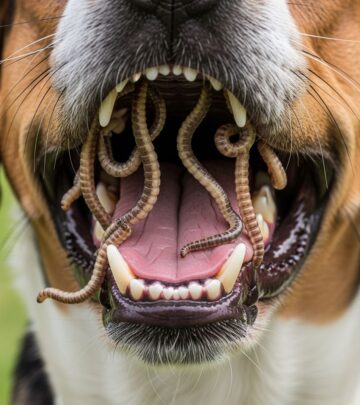
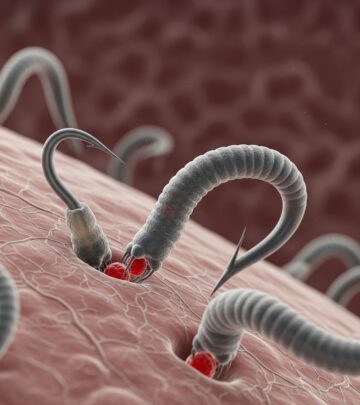
- Parasites: Hookworms, roundworms, or tapeworms disrupt digestion, common in puppies.
- Infections: Parvovirus or bacterial overgrowth yield severe, foul-smelling vomit.
- Organ dysfunction: Liver, kidney disease, or gastric stasis delays emptying.
Hiatal hernias or esophagitis from reflux further complicate motility. In regions like the southern U.S., Spirocerca lupi worms form esophageal nodules.
Recognizing Warning Signs and Severity Levels
Not all episodes warrant alarm, but patterns signal trouble. Isolated incidents post-garbage raiding often resolve with fasting. Persistent cases—multiple times daily, with lethargy, diarrhea, blood, or pain—indicate emergencies like blockages or toxins.
| Severity | Symptoms | Action |
|---|---|---|
| Mild | Single episode, acts normal after. | Withhold food 12 hours, offer bland diet. |
| Moderate | 2-3 times/day, some appetite loss. | Call vet for advice. |
| Severe | Frequent, blood/foamy vomit, weakness. | Emergency vet visit. |
Bloody vomit, green/yellow bile without food, or dehydration (tented skin, dry gums) necessitate immediate care. Puppies, seniors, or chronic cases heighten risks.
Diagnostic Approaches for Accurate Identification
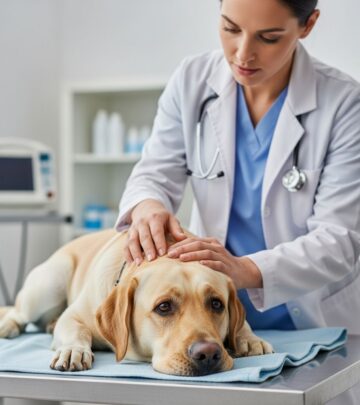
Vets employ targeted diagnostics. History review covers diet, timing, and frequency. Physical exams check hydration and pain. Bloodwork assesses organ function and infections; fecal tests detect parasites. Imaging like X-rays or ultrasound reveals obstructions, megaesophagus, or masses. Endoscopy or contrast studies visualize esophageal function.
For megaesophagus confirmation, barium swallows highlight dilation. Biopsies rule out tumors or inflammation. Early diagnosis prevents complications like pneumonia.[10]
Home Management Strategies While Awaiting Vet Care
Interim steps stabilize. Fast 12-24 hours, then introduce bland boiled chicken/rice in small portions. Elevate food bowls for megaesophagus suspects to aid gravity. Slow feeders curb gulping. Probiotics support gut flora post-upset. Hydration via ice cubes prevents gulping.
- Monitor closely for worsening.
- Avoid dairy, fats, or new treats.
- Separate from trash/scavenging opportunities.
Long-Term Prevention and Treatment Options
Tailored treatments address roots. Surgical correction for strictures, vascular rings, or tumors. Medications manage reflux, parasites (dewormers), or infections (antibiotics). Megaesophagus care involves upright feeding chairs, liquid diets, and prokinetics.
Prevent via routine deworming, vaccinations, measured feeding, and annual checkups. Allergy trials with hypoallergenic foods help sensitivities. Consistent routines minimize stress.
FAQs on Dog Vomiting Undigested Food
Is it normal for dogs to vomit undigested food occasionally?
Yes, if rare and tied to fast eating, but recurring warrants vet evaluation.
How long after eating is regurgitation typical?
Minutes to an hour; longer suggests stasis or obstruction.
Can food allergies cause this?
Yes, proteins like beef trigger sensitivities mimicking these symptoms.
What if my dog vomits but seems fine otherwise?
Observe 24 hours; persistent issues need professional assessment.
Does breed matter?
Yes, breeds like Great Danes prone to megaesophagus face higher risks.
Special Considerations for Puppies and Senior Dogs
Puppies suffer parasites or congenital defects like persistent right aortic arch, vomiting when solids introduced. Seniors grapple with organ decline or cancers narrowing passages. Both groups dehydrate faster, demanding quicker intervention.
Proactive care includes breed-specific screenings and gentle diets.
References
- Why is my dog throwing up undigested food – Pet Honesty — Pet Honesty. 2023. https://www.pethonesty.com/blogs/blog/dog-throwing-up-undigested-food
- Why is my dog throwing up undigested food? – ChefPaw — ChefPaw. 2023. https://www.chefpaw.com/blogs/health-and-wellness/dog-throwing-up-undigested-food
- 10 Reasons Your Dog Is Throwing Up Undigested Food – PetLab Co. — PetLab Co. 2023. https://thepetlabco.com/learn/dog/health-wellness/dog-throwing-up-undigested-food
- Dog Regurgitation: Why is My Dog Throwing Up Undigested Food? — PetMD. 2023. https://www.petmd.com/dog/symptoms/dog-regurgitation
- Why Is My Dog Throwing Up? Causes, Colors, and Treatments — OKVets. 2023. https://www.okvets.com/post/why-is-my-dog-throwing-up
- Vomiting Guidelines for Dog Owners – Livermore Family Pet Hospital — Livermore Family Pet Hospital. 2023. https://www.livermorefamilypet.com/services/blog/vomiting-guidelines-dog-owners
Similar Articles





Read full bio of medha deb