

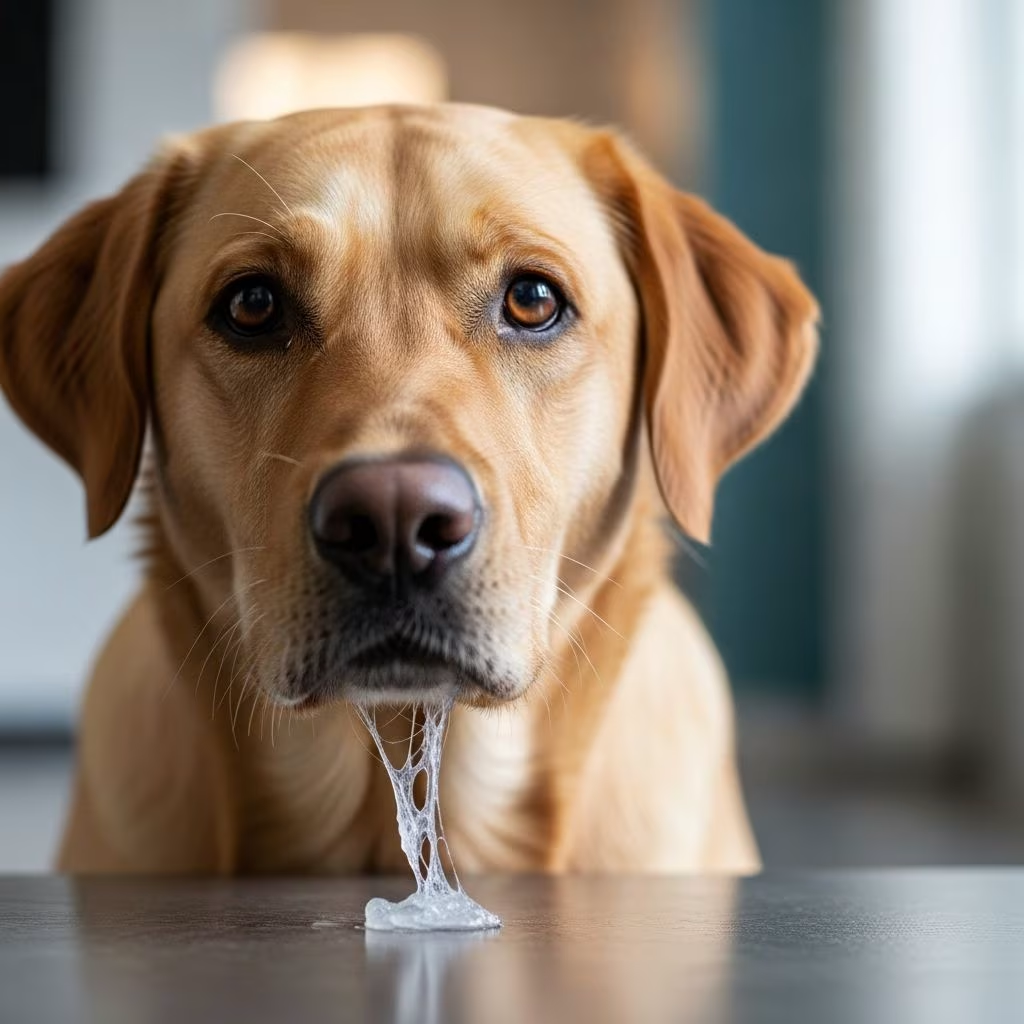
When you see your dog expelling a slimy, clear or frothy substance, it can spark immediate concern. This mucus-like vomit often signals the stomach or digestive tract is reacting to some imbalance or irritant. Understanding the underlying reasons helps pet owners respond effectively, whether it’s a minor dietary hiccup or a sign needing professional intervention.
Recognizing Mucus Vomit in Dogs
Mucus vomit typically appears as a stringy, jelly-like gel, sometimes foamy or bubbly, without solid food particles. It forms from excess saliva, stomach acid, and protective mucus lining the gut. Overnight fasting commonly leads to this, as the empty stomach produces more mucus to shield itself from acid buildup.
Observe the color and texture: clear mucus suggests simple irritation, while yellow-tinged might indicate bile involvement, and thick phlegm could point to respiratory origins. Frequency matters too—occasional episodes differ vastly from repeated occurrences accompanied by lethargy or refusal to eat.
Primary Digestive Triggers
Dogs’ stomachs are sensitive, and several everyday factors can prompt mucus production.
- Empty Stomach and Bilious Vomiting Syndrome (BVS): Prolonged fasting irritates the gut lining, causing reflux of bile and mucus. Dogs often vomit in the morning after a long night without food. Smaller, more frequent meals can alleviate this.
- Dietary Changes or Indiscretions: Sudden food switches, rich treats, or scavenging grass and trash inflame the stomach. The body ramps up mucus to protect tissues, resulting in slimy expulsion.
- Food Sensitivities: Allergens like grains or proteins trigger chronic gut inflammation, leading to recurrent mucus vomit alongside loose stools.
Serious Gastrointestinal Concerns
Not all mucus vomit is benign; some indicate deeper problems requiring swift veterinary attention.
| Condition | Symptoms with Mucus Vomit | Urgency |
|---|---|---|
| Foreign Body Blockage | Repeated vomiting starting with mucus, then bile or food; abdominal pain | High – X-rays needed |
| Parasitic Infections | Mucus in vomit/stool, weight loss, bloating; worms visible sometimes | Medium – Fecal test required |
| Gastritis or Acid Reflux | Morning vomit, discomfort after eating, appetite changes | Medium – Diet/meds help |
| Inflammatory Bowel Disease (IBD) | Chronic mucus vomit, diarrhea, poor appetite | High – Diagnostics essential |
Blockages from swallowed toys or bones irritate the tract early on with pure mucus, progressing to worse signs. Parasites like roundworms or Giardia, contracted from contaminated water, provoke mucus as the gut fights infestation. Chronic conditions like IBD involve ongoing inflammation, often needing specialized diets or medications.
Respiratory and Other Non-Digestive Causes
Sometimes, what looks like stomach vomit originates elsewhere. Kennel cough or upper respiratory infections produce thick, foamy mucus from forceful coughing, mimicking digestive upset. Pancreatitis, an inflamed pancreas often from fatty foods, pairs mucus foam with severe pain and lethargy. Bloat, a critical emergency, starts with unproductive white foam vomiting and abdominal distension.
When to Contact a Veterinarian Immediately
Act fast if mucus vomiting pairs with these red flags:
- Frequency: More than twice daily or persisting beyond 24 hours.
- Blood, dark bile, or foul odor in vomit.
- Associated symptoms: Diarrhea, weakness, dehydration (dry gums, sunken eyes), or pain (whining, hunched posture).
- History: Recent toxin exposure, surgery, or known conditions like kidney issues.
Collect a vomit sample in a sealed bag for the vet—it aids diagnosis. Delaying with blockages or bloat can be fatal.
Home Management Strategies
For mild, isolated incidents:
- Withhold Food Temporarily: Fast for 12-24 hours, providing ice cubes or water to prevent dehydration.
- Reintroduce Bland Diet: Boiled chicken/rice or plain pumpkin in small portions over 48 hours.
- Prevent Scavenging: Supervise walks, use slow feeders to curb gulping.
- Monitor Hydration: Ensure fresh water; add electrolytes if advised.
Avoid over-the-counter meds without vet guidance—they can worsen issues.
Preventive Measures for Long-Term Gut Health
Proactive steps reduce recurrence:
- Consistent, high-quality diet tailored to your dog’s needs—fresh foods minimize irritants.
- Regular deworming and parasite preventives, especially for outdoor dogs.
- Vaccinations against respiratory diseases like kennel cough.
- Scheduled vet check-ups for early detection of sensitivities or IBD.
Transition foods gradually over 7-10 days to avoid shocks.
Diagnostic Approaches at the Vet
Vets start with history and exam, then may recommend:
- Bloodwork for organ function and inflammation.
- Fecal analysis for parasites.
- Imaging (X-ray/ultrasound) for obstructions.
- Endoscopy for gastritis/IBD confirmation.
Treatment varies: fluids for dehydration, anti-nausea drugs, antibiotics for infections, or surgery for blockages.
FAQs on Dog Mucus Vomiting
Is white foamy vomit the same as mucus?
Similar but distinct—foam mixes air and acid; pure mucus is slicker and clearer. Both warrant monitoring.
Can stress cause my dog to vomit mucus?
Yes, anxiety heightens acid production, mimicking BVS. Calming routines help.
How does diet impact mucus production?
Poor-quality or abrupt changes inflame the gut, prompting excess mucus. Opt for digestible options.
Is mucus vomit ever normal?
Occasional after fasting, yes—but patterns signal issues needing vet review.
What if my puppy is vomiting mucus?
Puppies dehydrate fast; seek care immediately, as parasites or infections are common.
Nutritional Support Table
| Condition | Recommended Adjustments |
|---|---|
| BVS | 3-4 small meals daily |
| Food Sensitivity | Hypoallergenic or novel protein diet |
| Post-Vomit Recovery | Bland foods for 2-3 days, then gradual normalcy |
References
- Why Is My Dog Vomiting Mucus? — Ollie Blog. 2023. https://blog.myollie.com/why-is-my-dog-vomiting-mucus/
- Why Is My Dog Vomiting Mucus? — The Farmer’s Dog. 2023. https://www.thefarmersdog.com/digest/dog-vomiting-mucus/
- Vomiting in Dogs — PetMD. 2024. https://www.petmd.com/dog/symptoms/vomiting-in-dogs
- Dog Vomiting White Foam: What to Do — Arrowhead Animal Hospital. 2023. https://arrowheadvets.com/blog/dog-vomiting-white-foam-what-to-do/
- Dog Vomiting: Causes, Treatment, and Related Symptoms — WebMD Pets. 2024. https://www.webmd.com/pets/dogs/vomiting-dogs-causes-treatment



